Laboratory Chemicals
Laboratory Chemicals
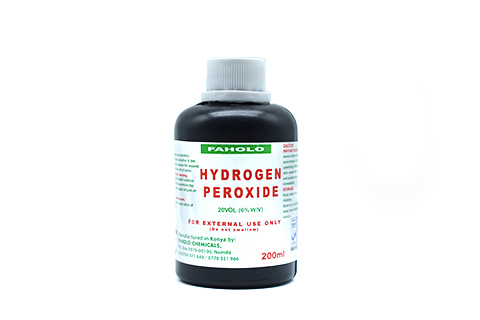
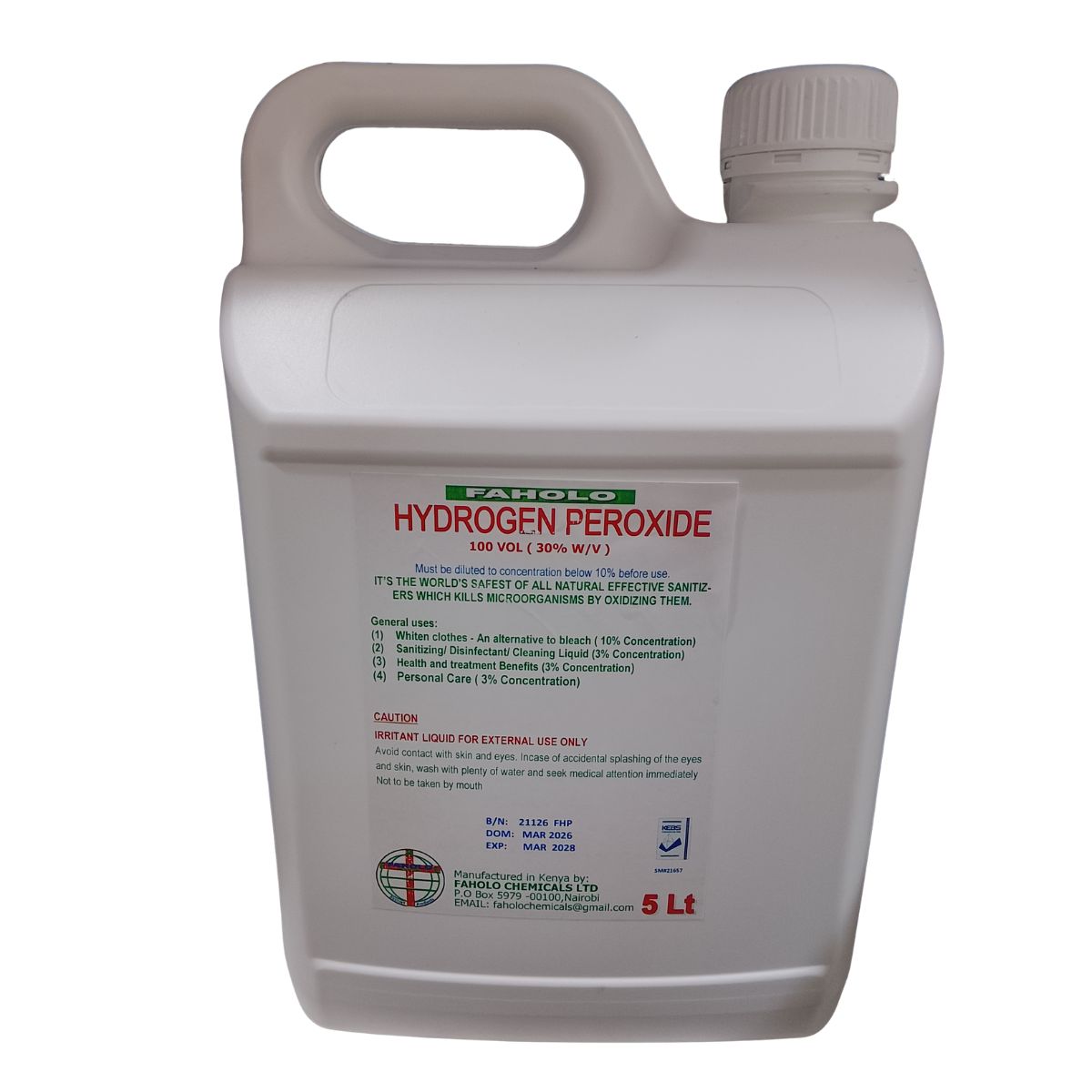
Hydrogen Peroxide 20vl
Hydrogen Peroxide solution for laboratory use.
Brand: Generic
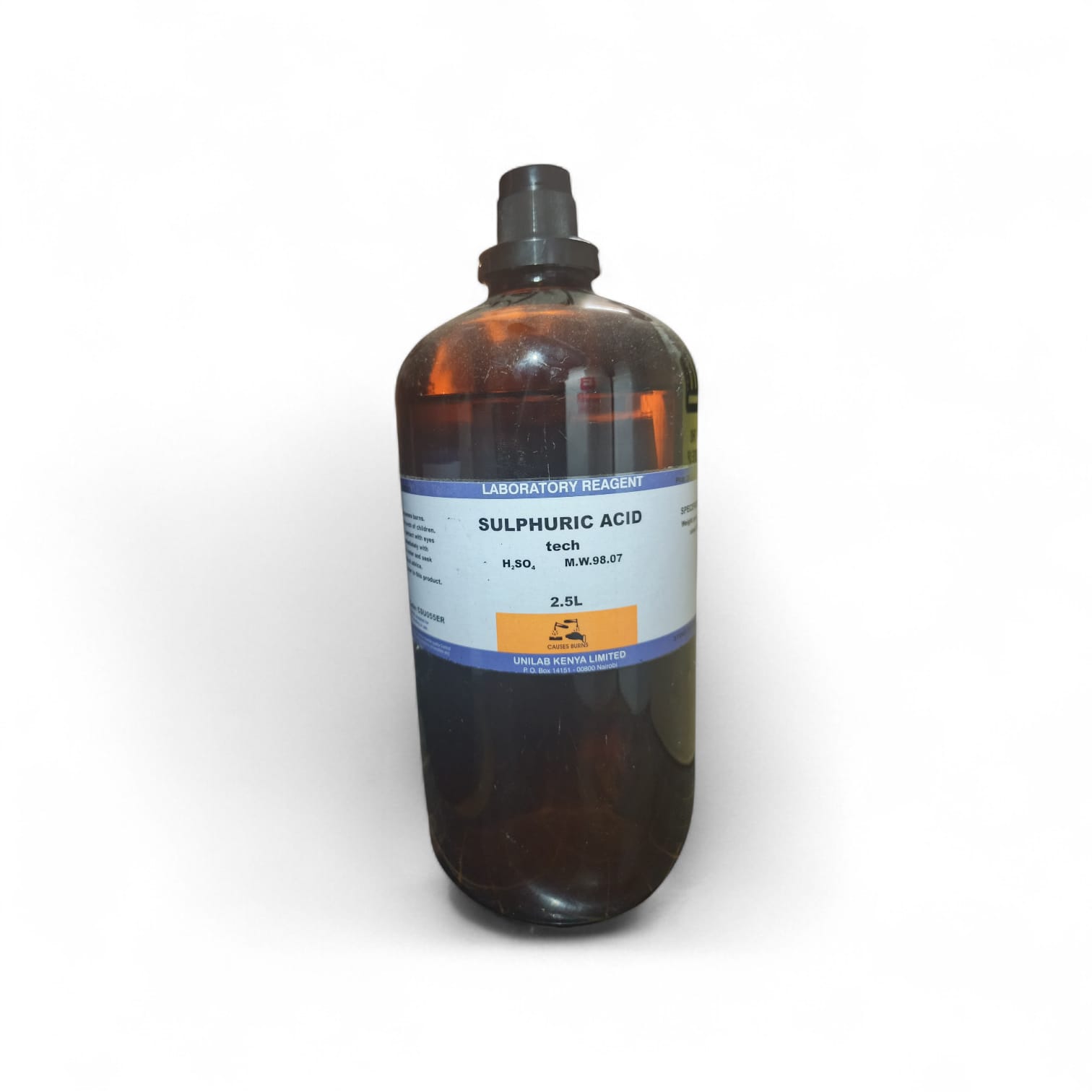
Sulphuric Acid
Laboratory sulphuric acid is a highly corrosive, colorless, viscous, and oily mineral acid, usually supplied at concentrations of 95–98%.
Brand: Generic
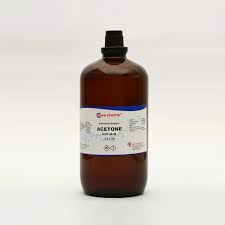
Acetone (Propanone)
High-purity acetone solvent.
Brand: Generic
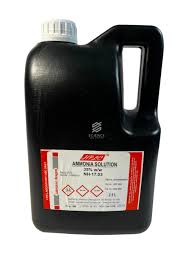
Ammonia Solution
Ammonium hydroxide solution.
Brand: Generic
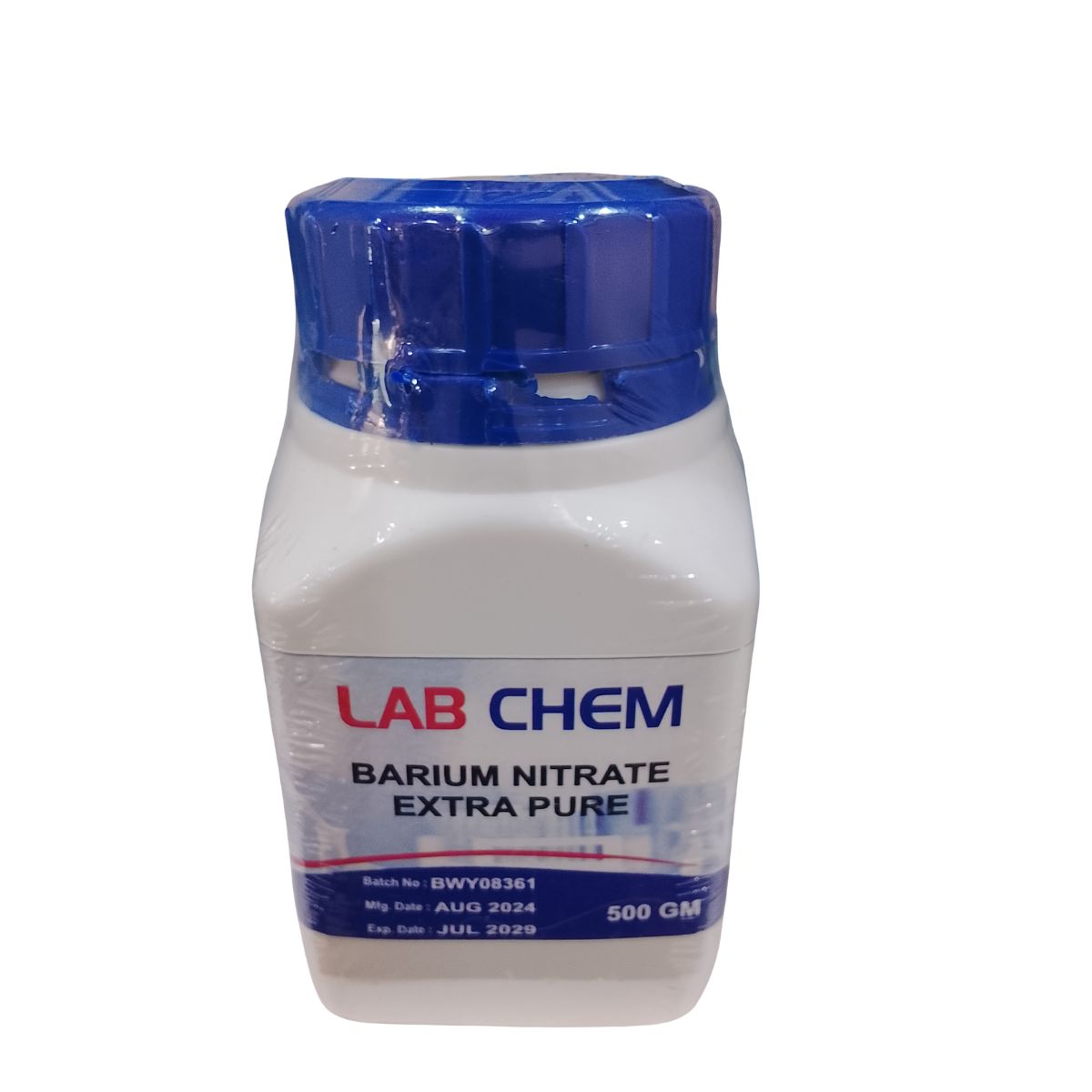
Barium Nitrate
A toxic oxidizing compound used in pyrotechnics for green flames.
Brand: Generic
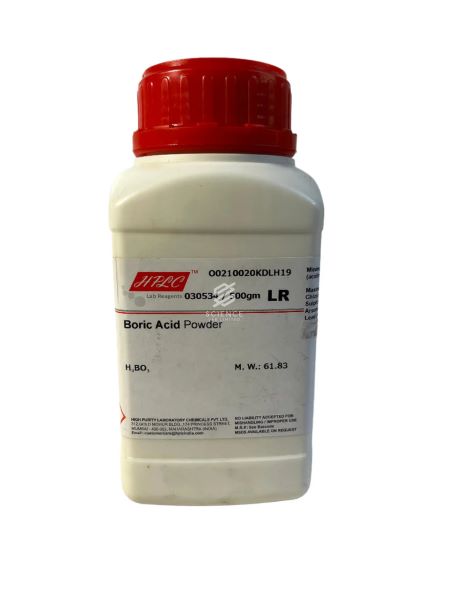
Boric Acid
Boric acid is a weak, acid of boron. Available in various quantities and reagent grades, it can be used as an antiseptic, an insecticide, a flame retardant, a neutron absorber, a pH buffer, or a precursor to other chemical compounds.
Brand: Generic
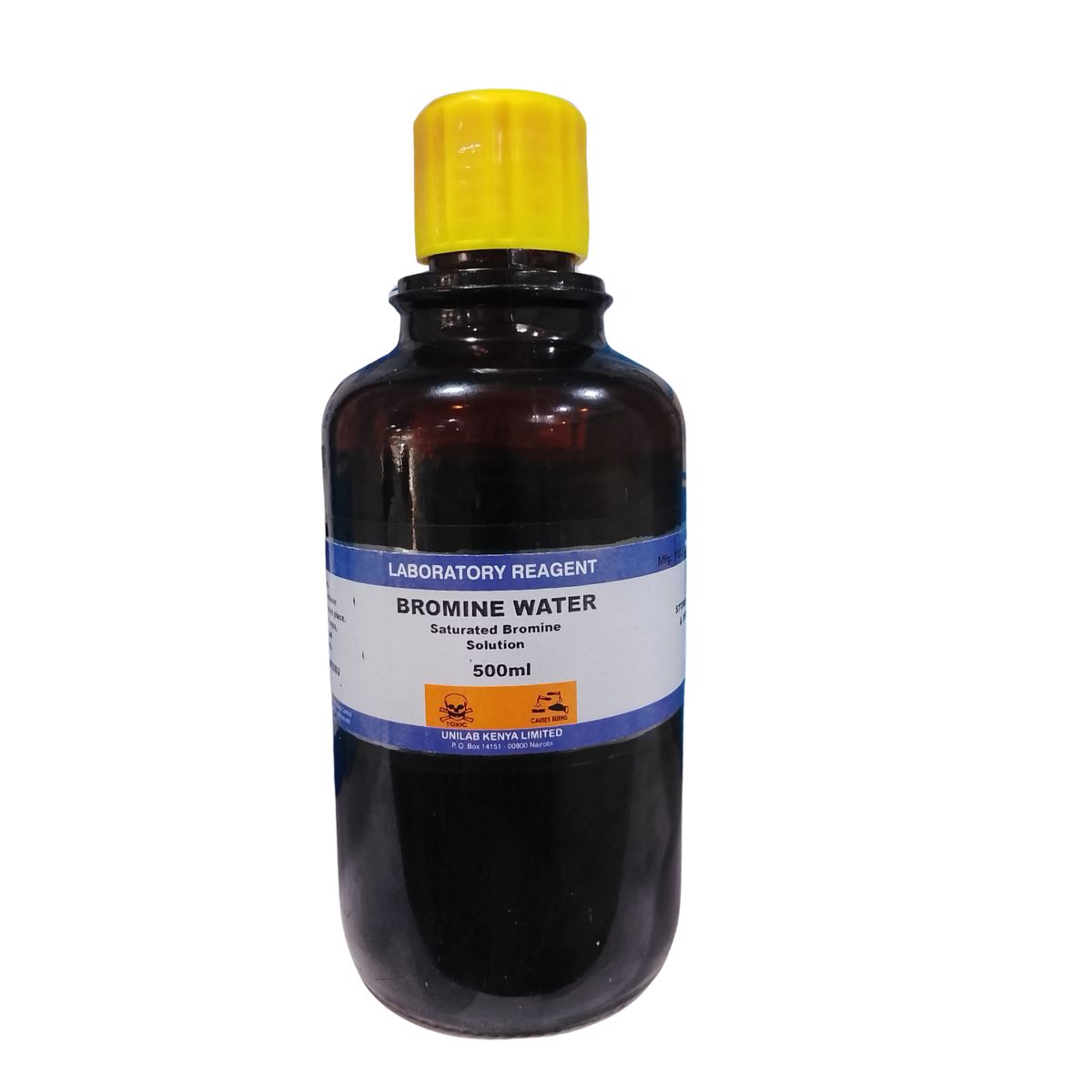
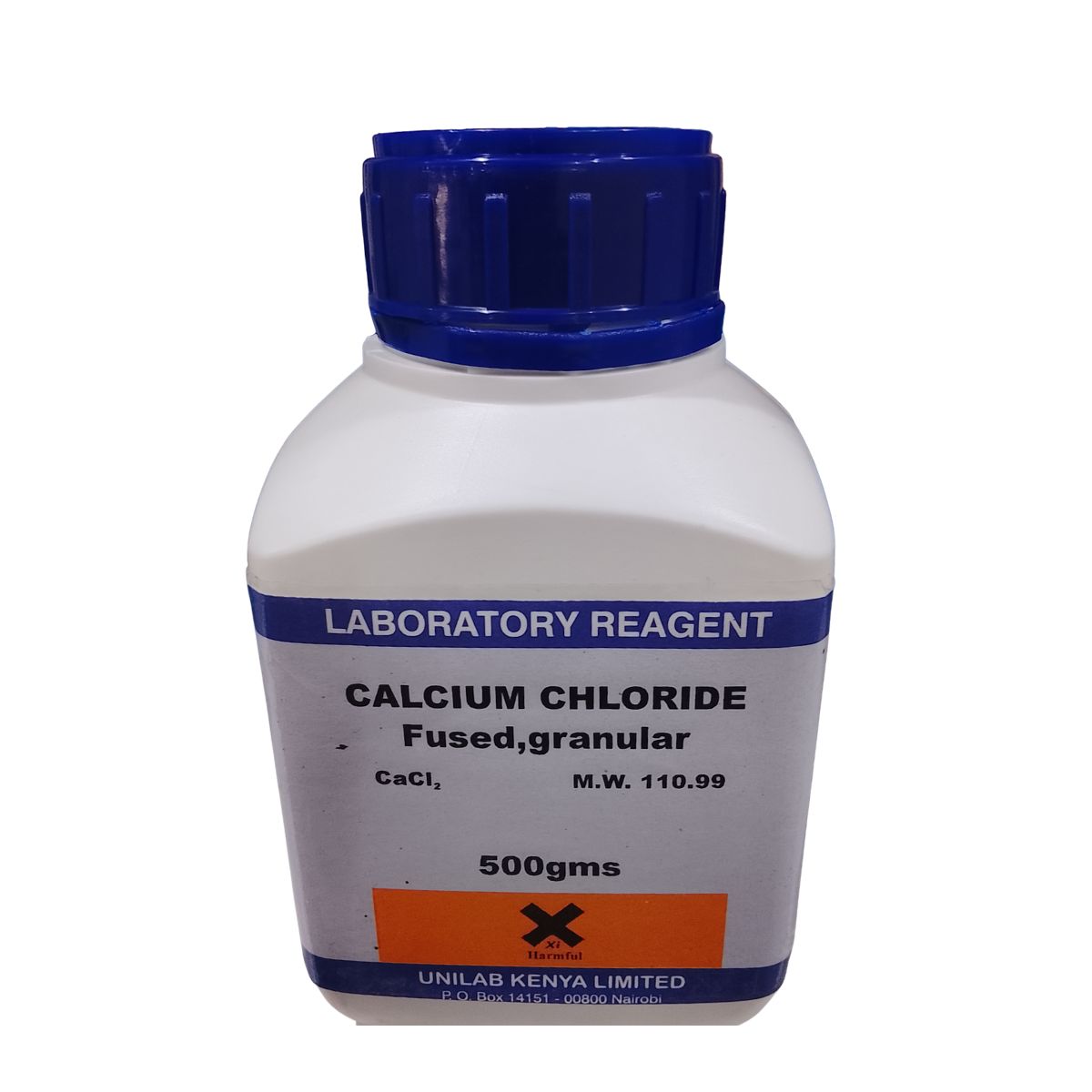
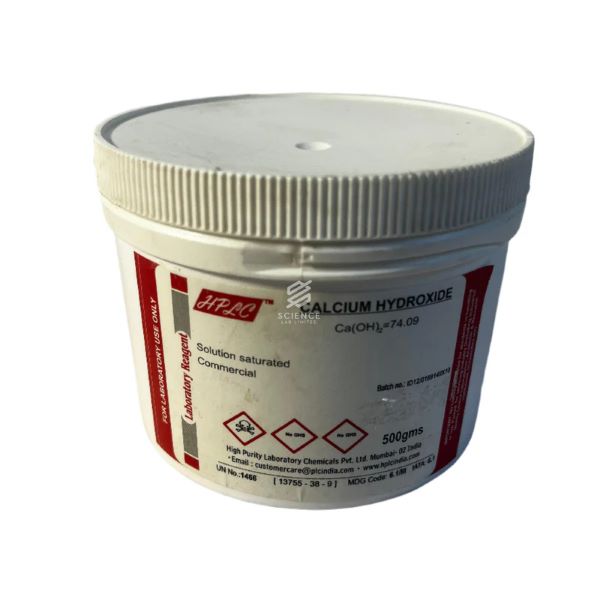
Calcium Hydroxide
A calcium-rich compound used in various industrial and laboratory applications.
Brand: Generic
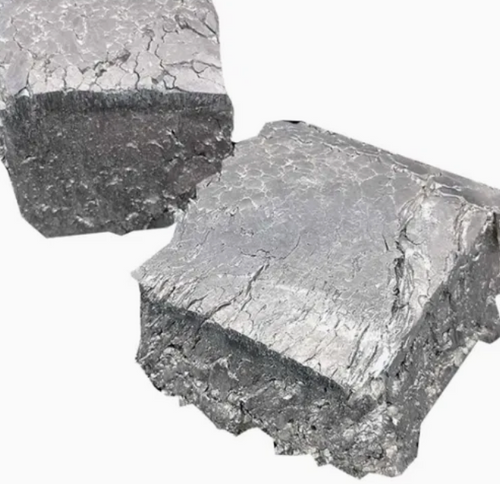
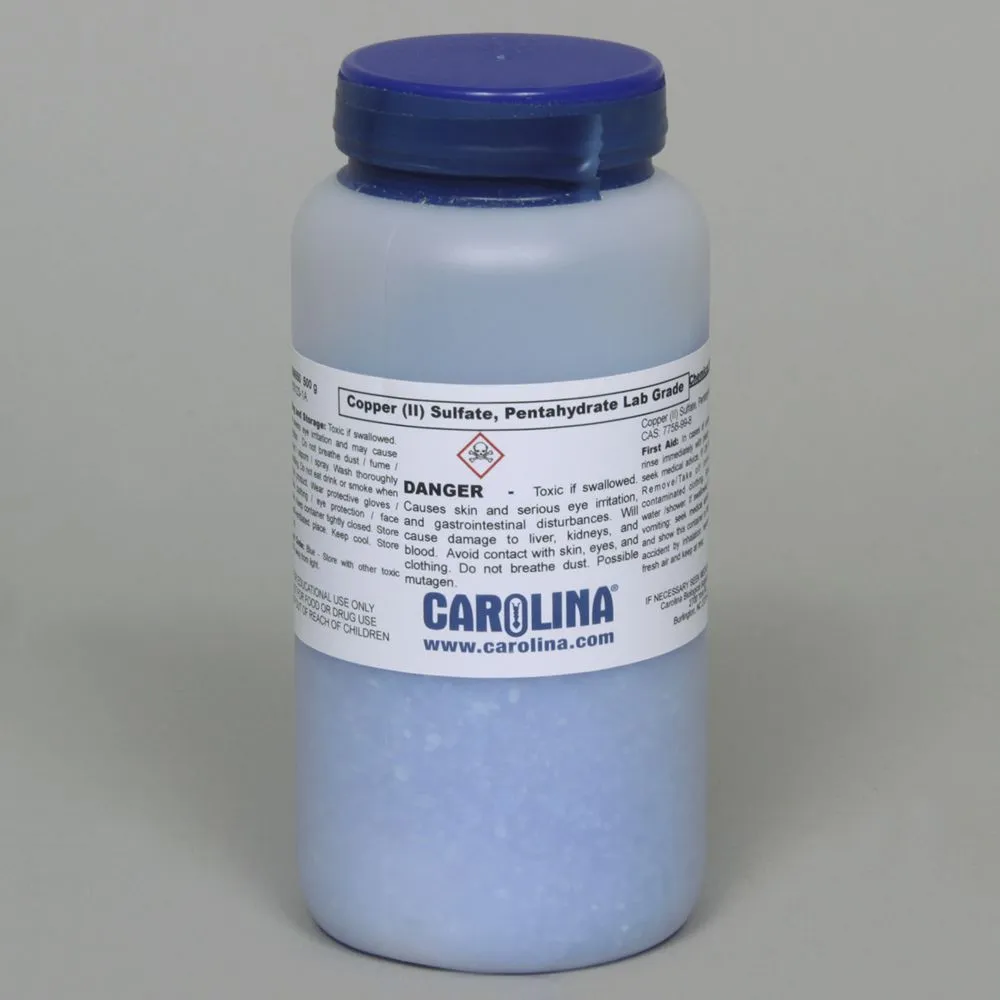
Copper Sulphate
Copper(II) sulfate pentahydrate.
Brand: Generic
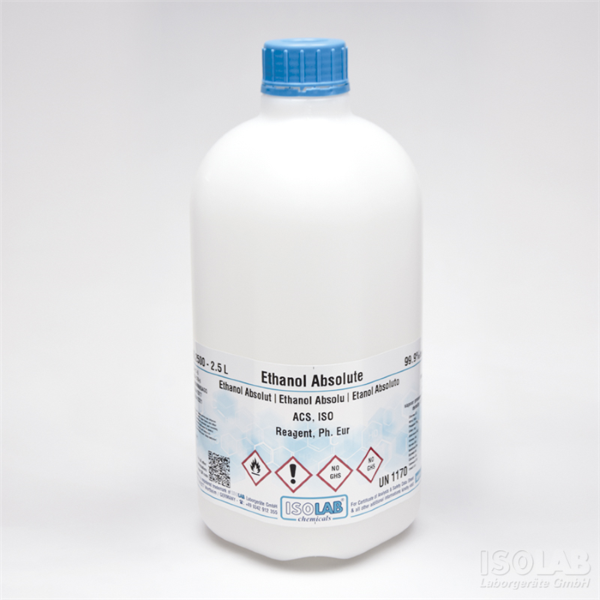
Ethanol
Absolute ethanol for laboratory use.
Brand: Generic
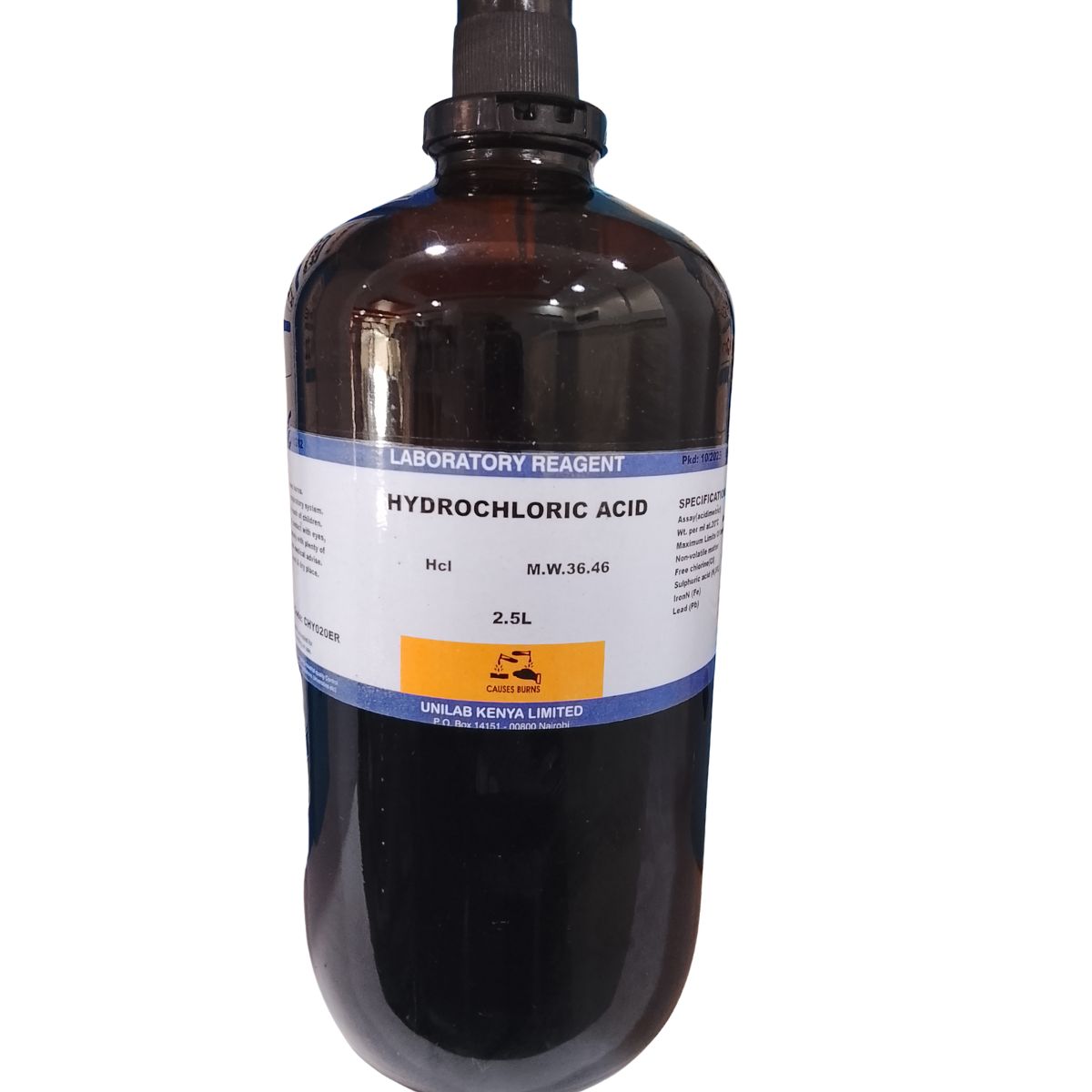
Hydrochloric Acid
Hydrochloric acid, also known as muriatic acid, is a clear inorganic compound with the formula H₂O:HCl. It has a sharp, distinctive odor and is highly acidic. This acid can cause skin damage across a broad concentration range because hydrogen chloride fully dissociates in water, making it extremely reactive and effective for various industrial and laboratory uses.
Brand: Generic
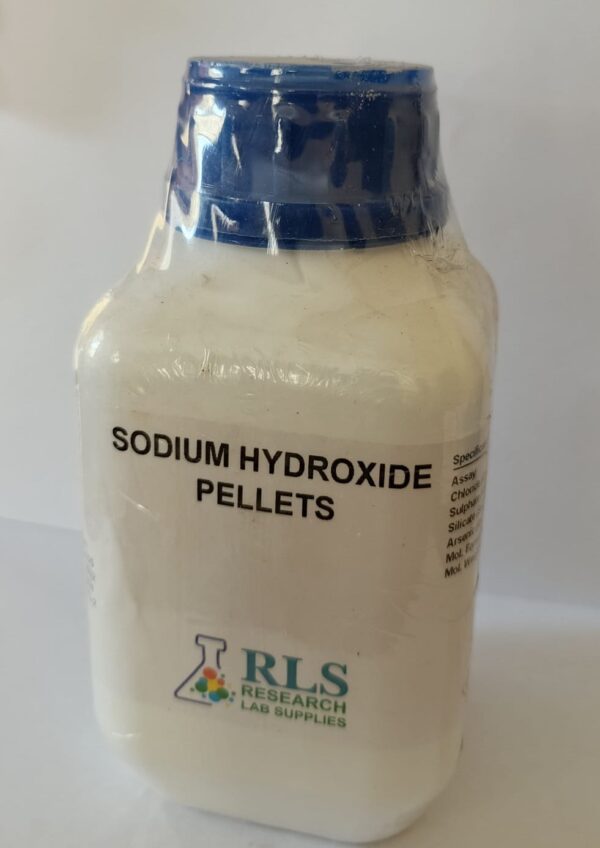
Sodium Hydroxide
A laboratory-grade substance typically used for analytical and research purposes.
Brand: Generic
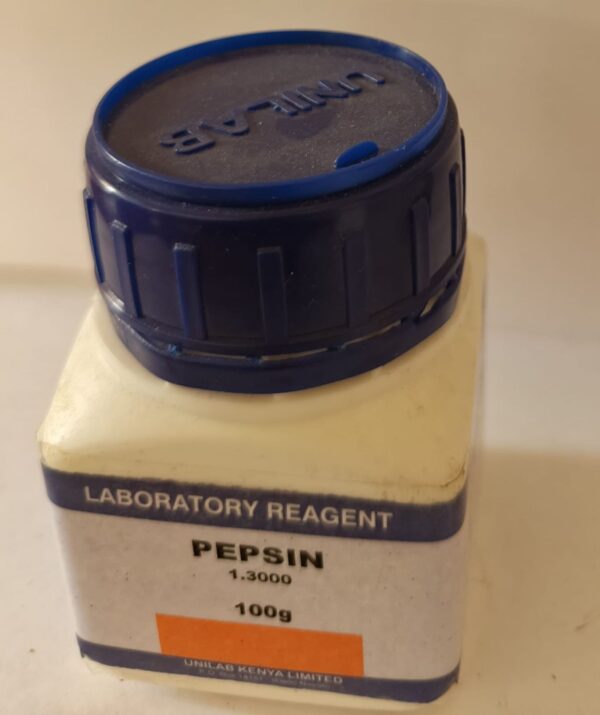
PEPSIN
A digestive enzyme, pepsin is commonly used in laboratory settings for protein hydrolysis experiments and biological research.
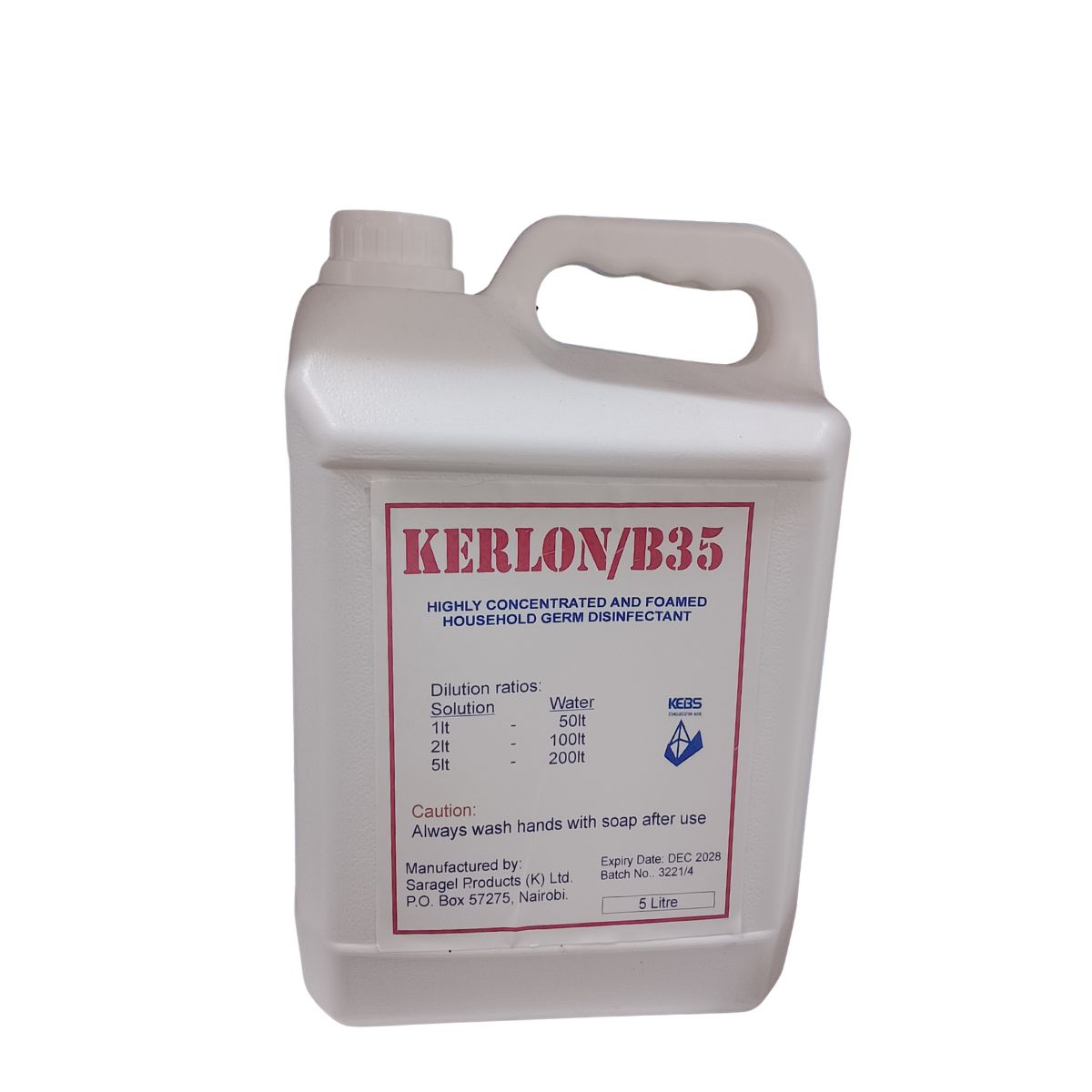
KEROL
Kerol Disinfectant Fluid is a versatile and powerful disinfectant solution that finds applications in various settings, including homes, industries, public institutions, and farms. It is formulated to provide effective disinfection and sanitation, helping to maintain hygiene and prevent the spread of infectious diseases. The primary active ingredient in Kerol Disinfectant Fluid is 38% neutral tar acids, which are known for their strong antimicrobial properties. This composition gives Kerol a Rideal Walker co-efficient of 18-20, indicating its high efficacy in killing bacteria and other pathogens.
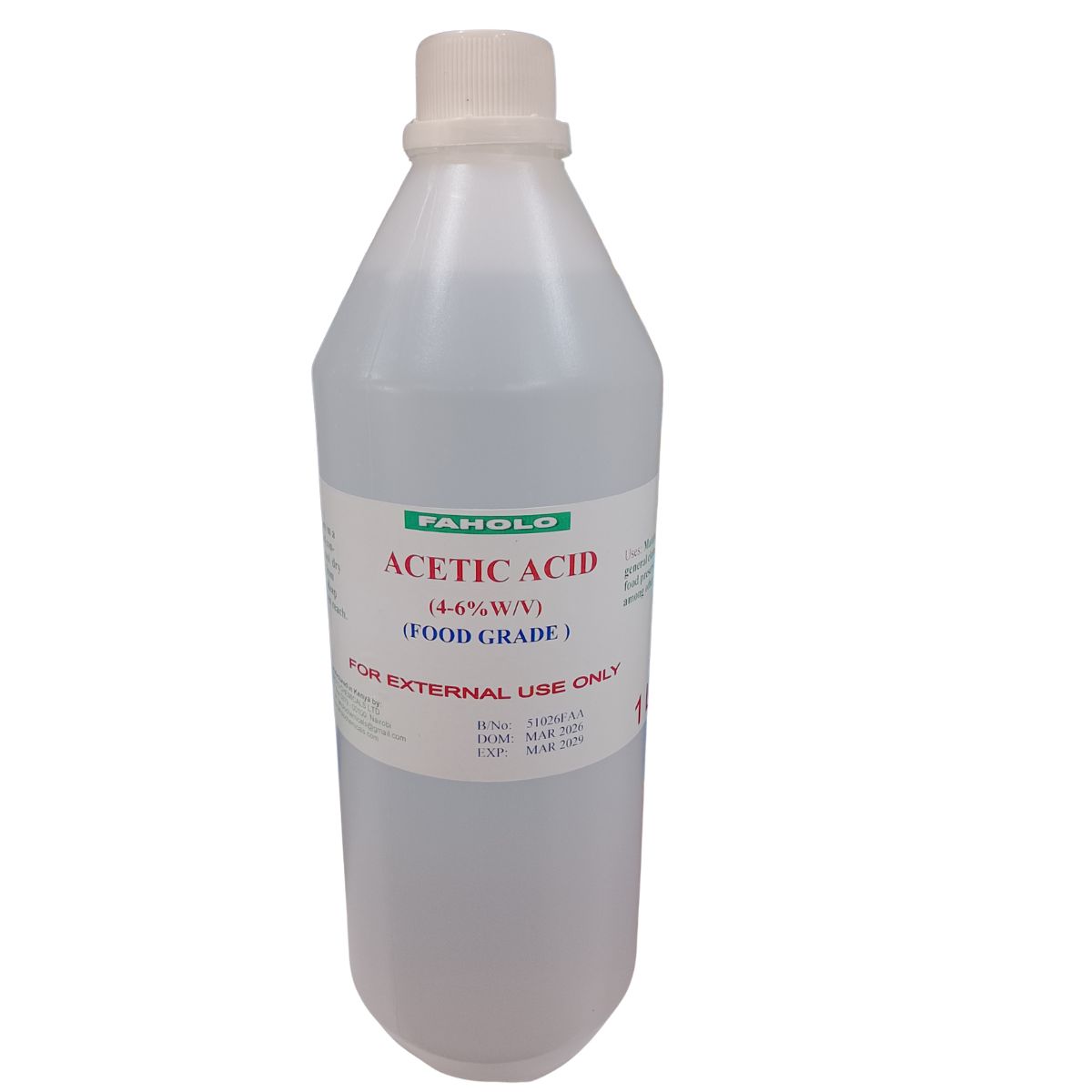
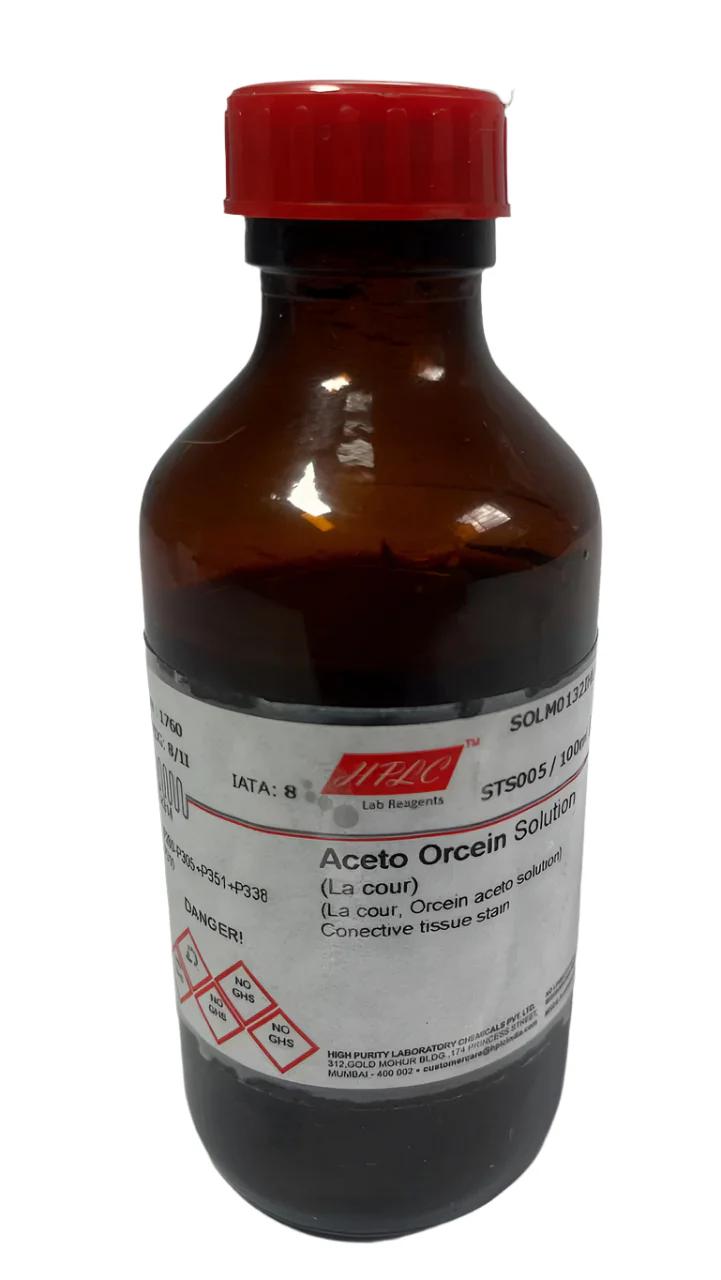

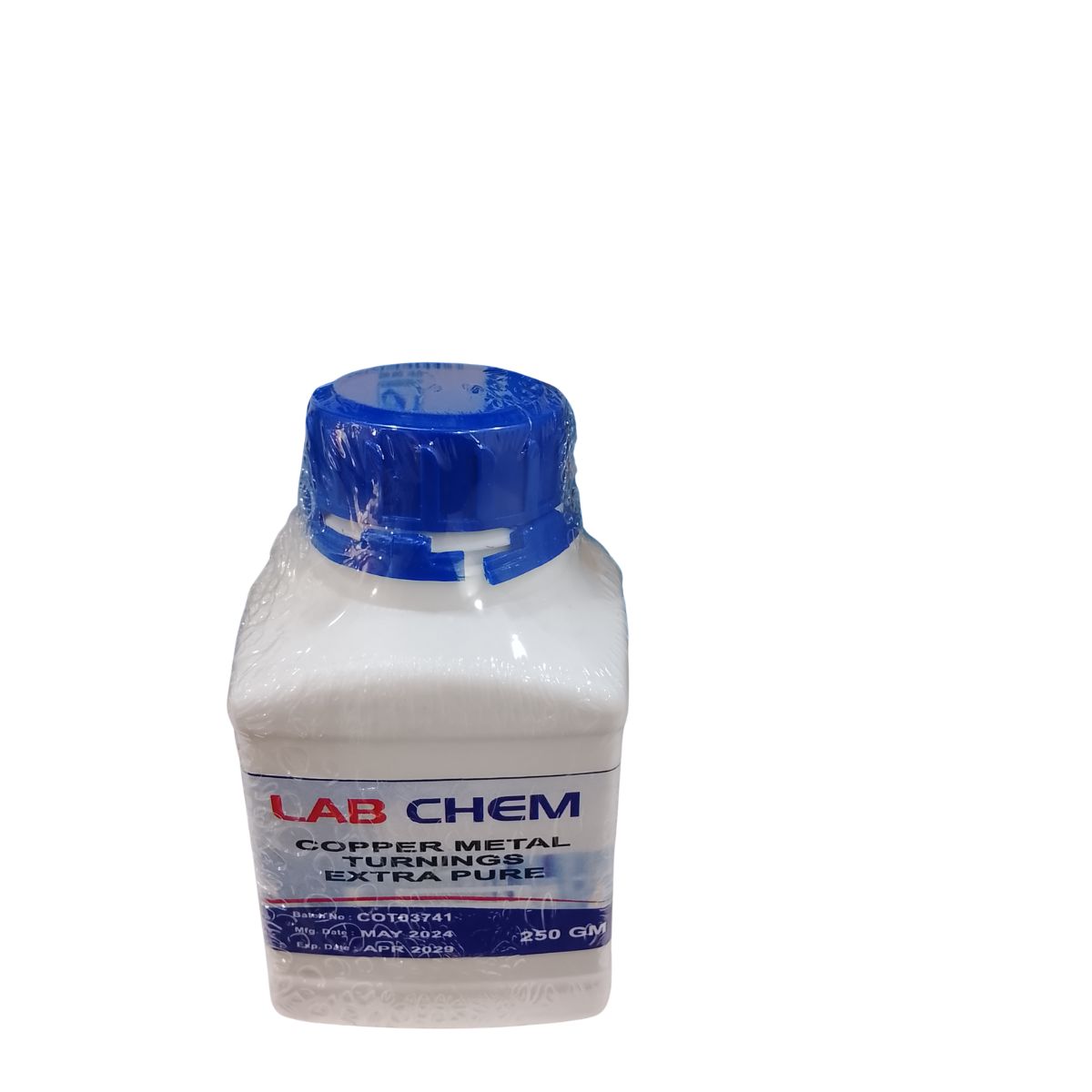
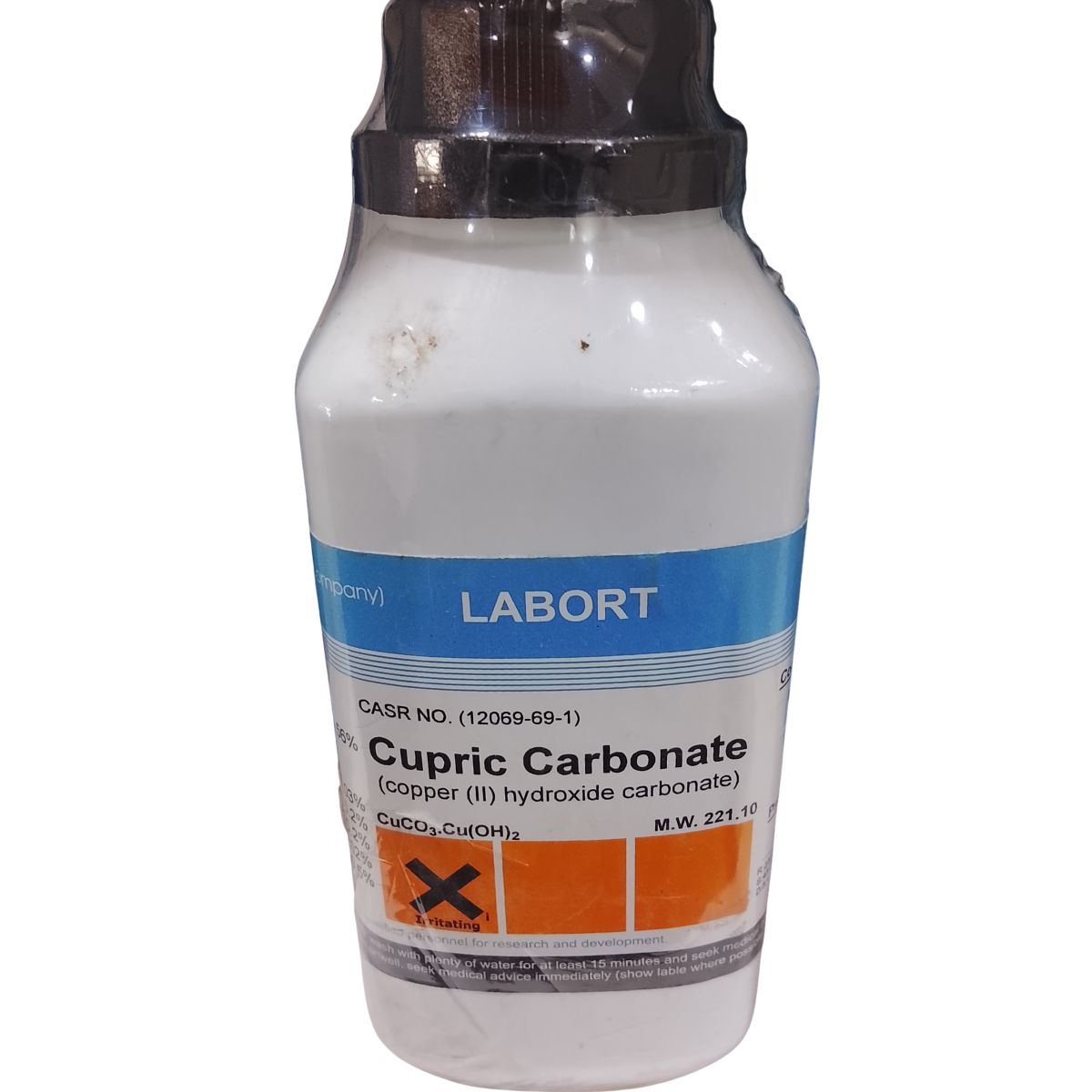
COPPER CARBONATE
Copper Carbonate, also known as cupric carbonate, is a green crystalline compound with a valence of +2 for copper. It easily dissolves in water and breaks down at a temperature of 200 C. This versatile substance is commonly used in paint and varnish pigments, as well as in pyrotechnics and animal and poultry feeds. It also serves as an effective fungicide. Its chemical formula is CuCO3.
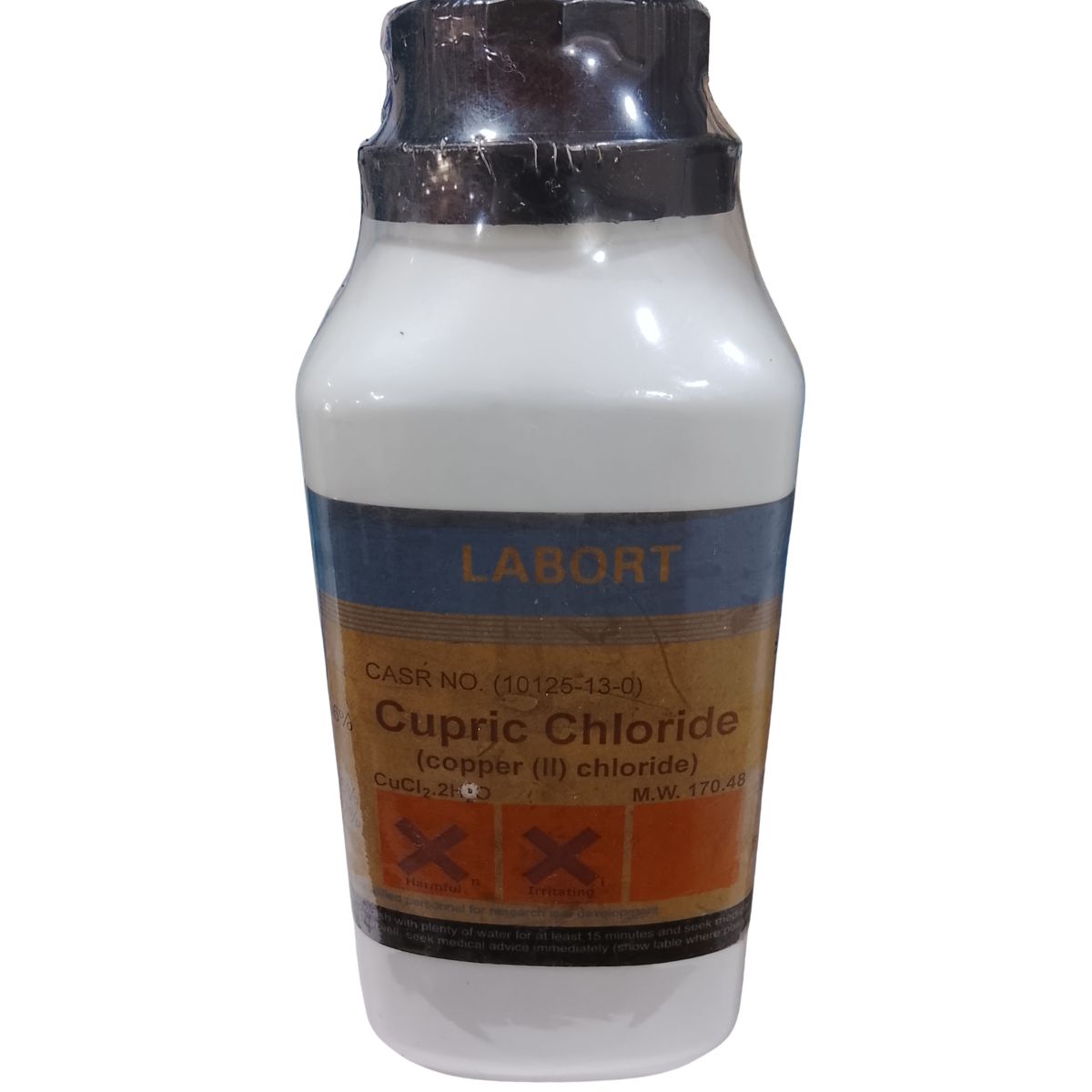

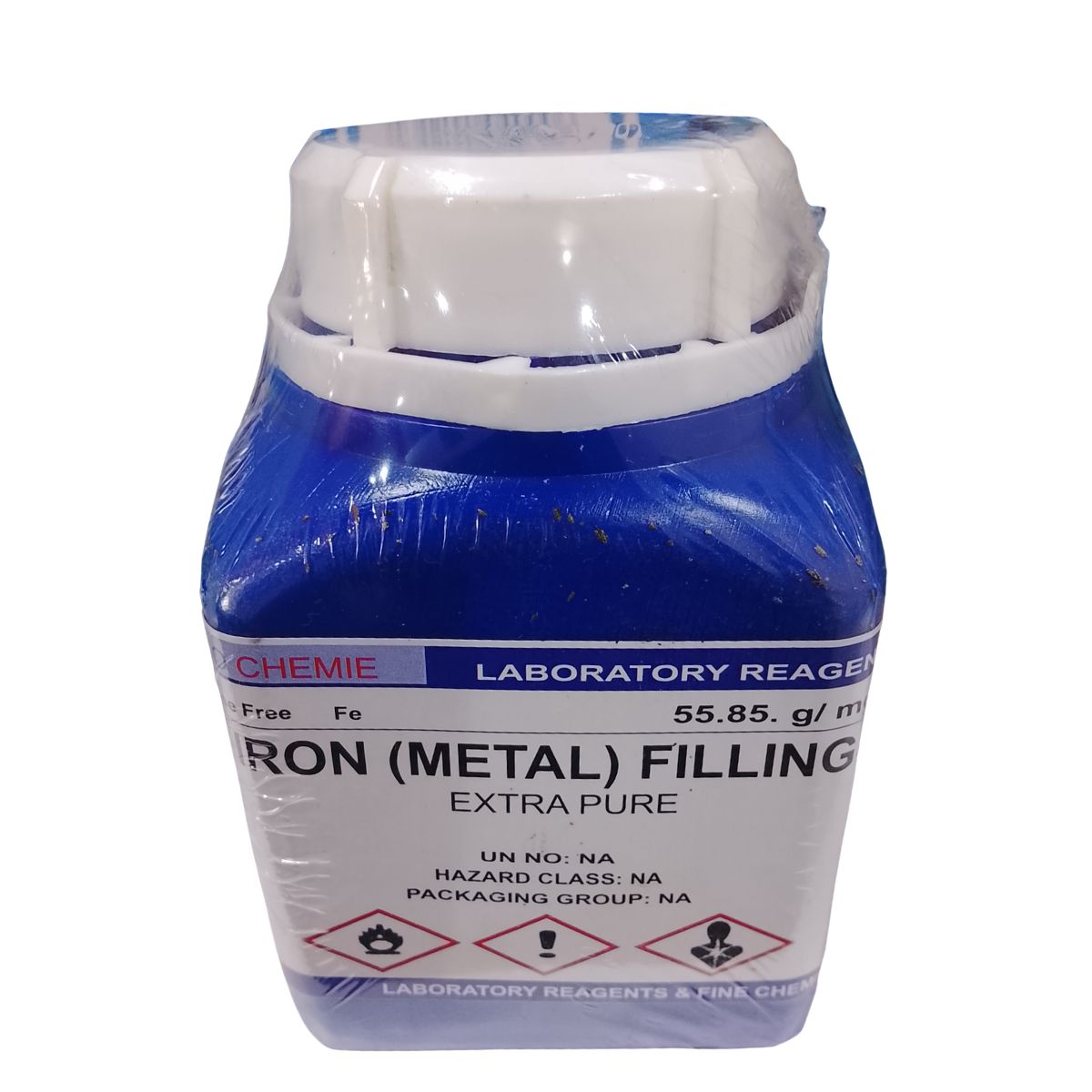
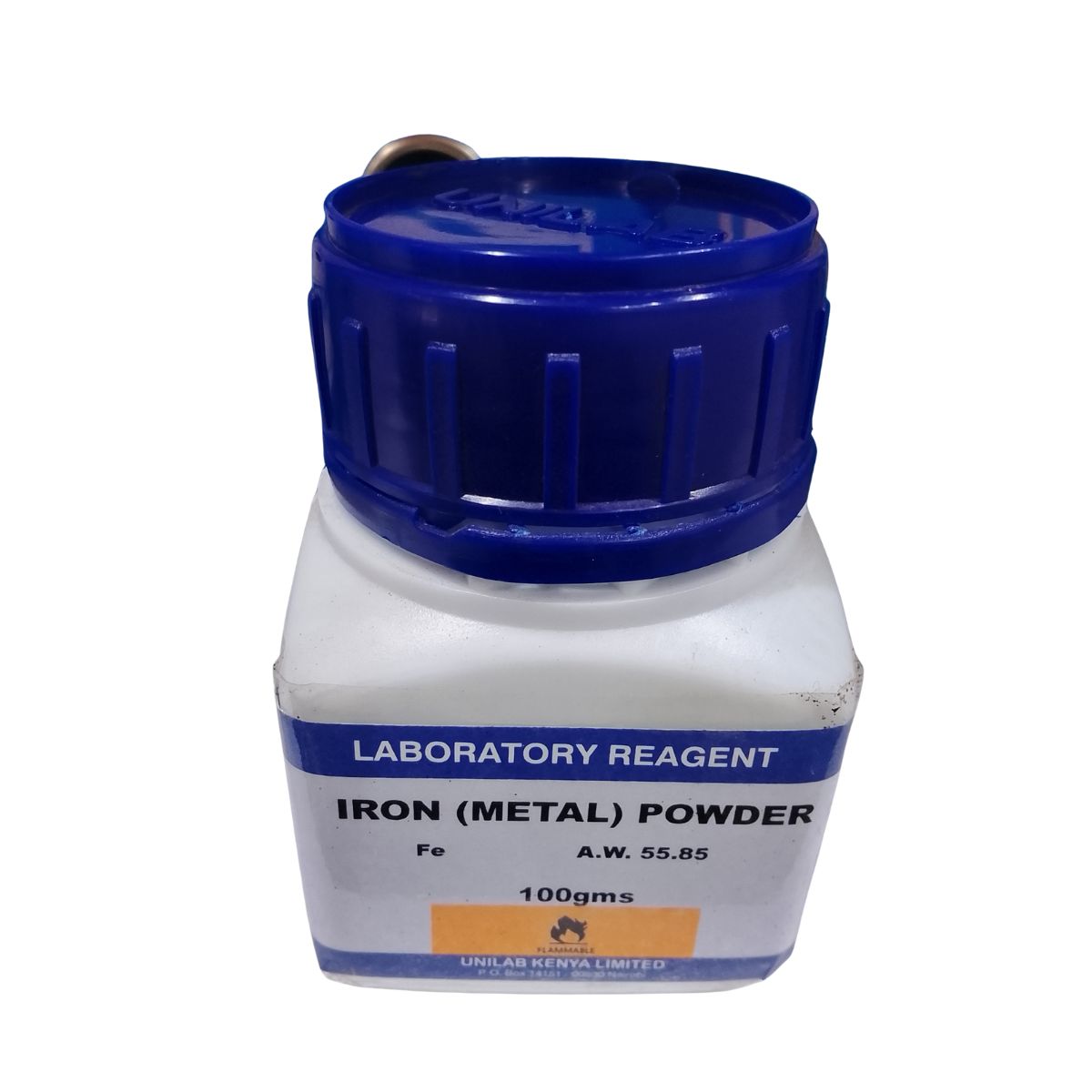
IRON METAL POWDER
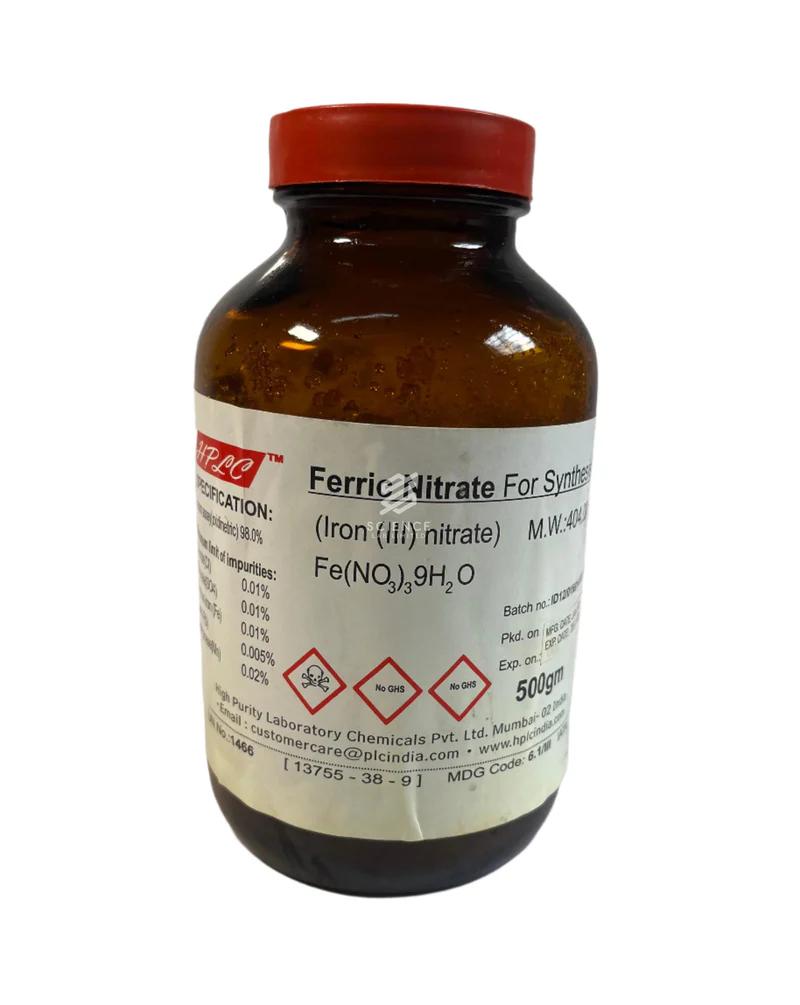
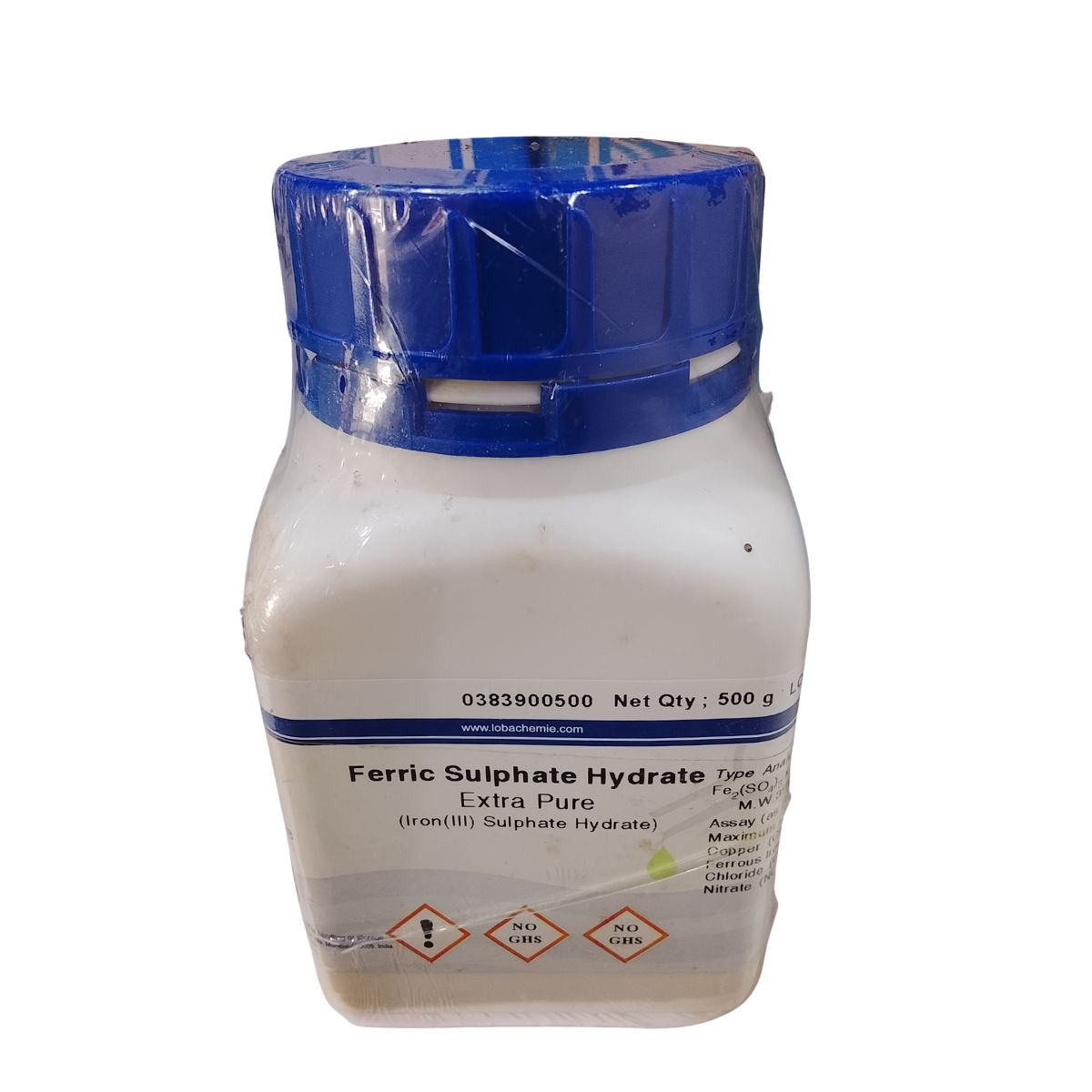
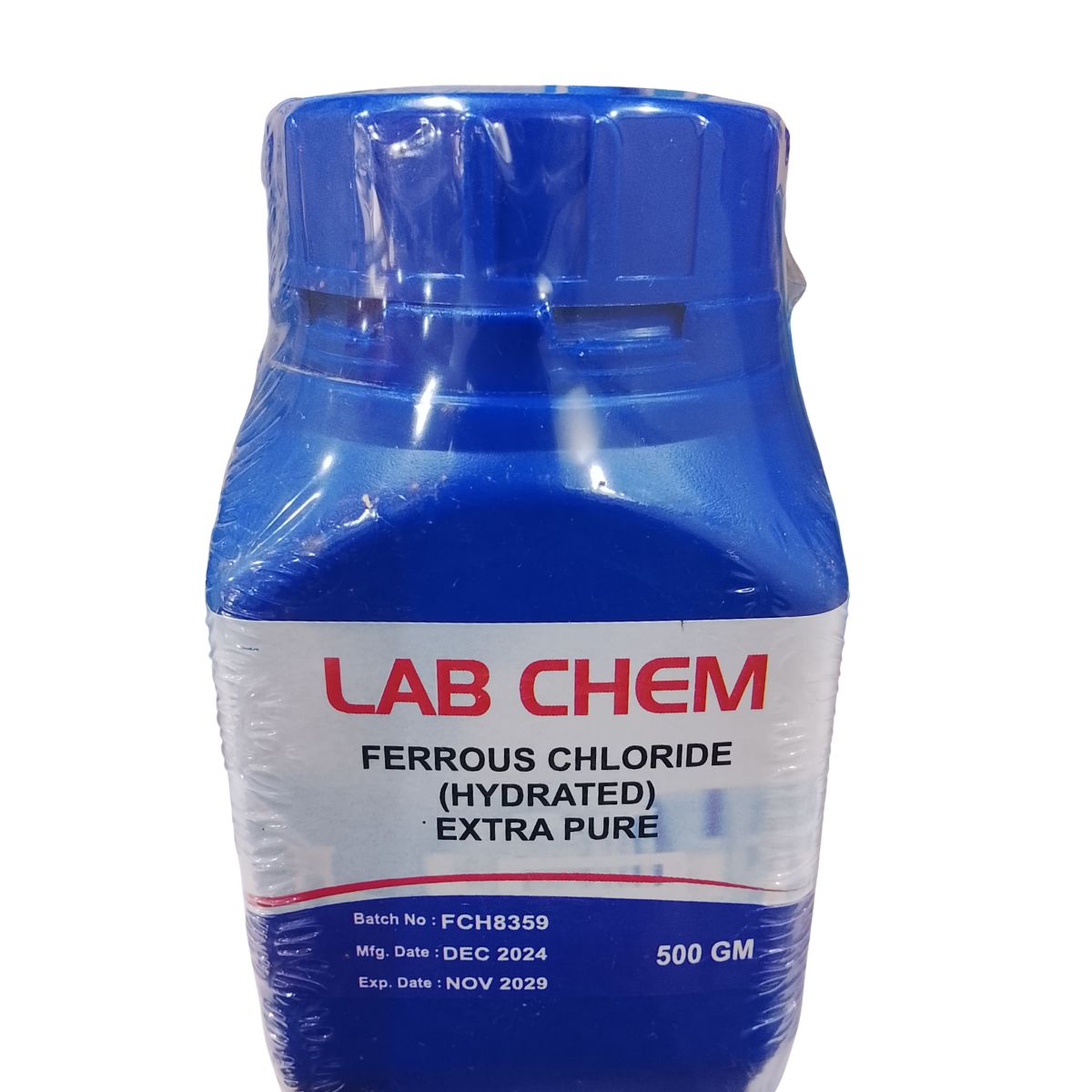
Iron Metal are very small pieces of iron that look like a light powder. They are very often used in science demonstrations to show the direction of a magnetic field. Since iron is a ferromagnetic material, a magnetic field induces each particle to become a tiny bar magnet.
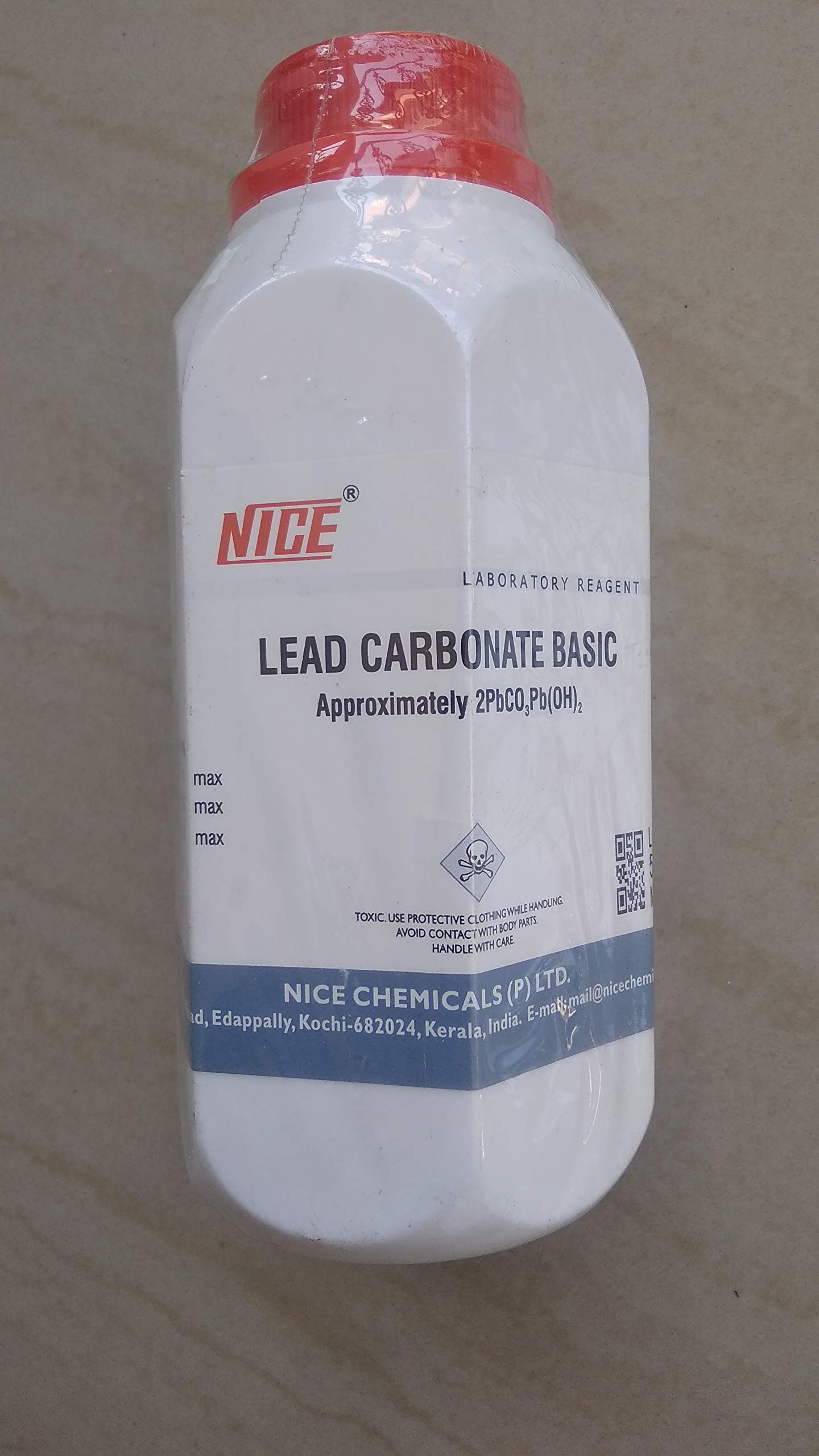
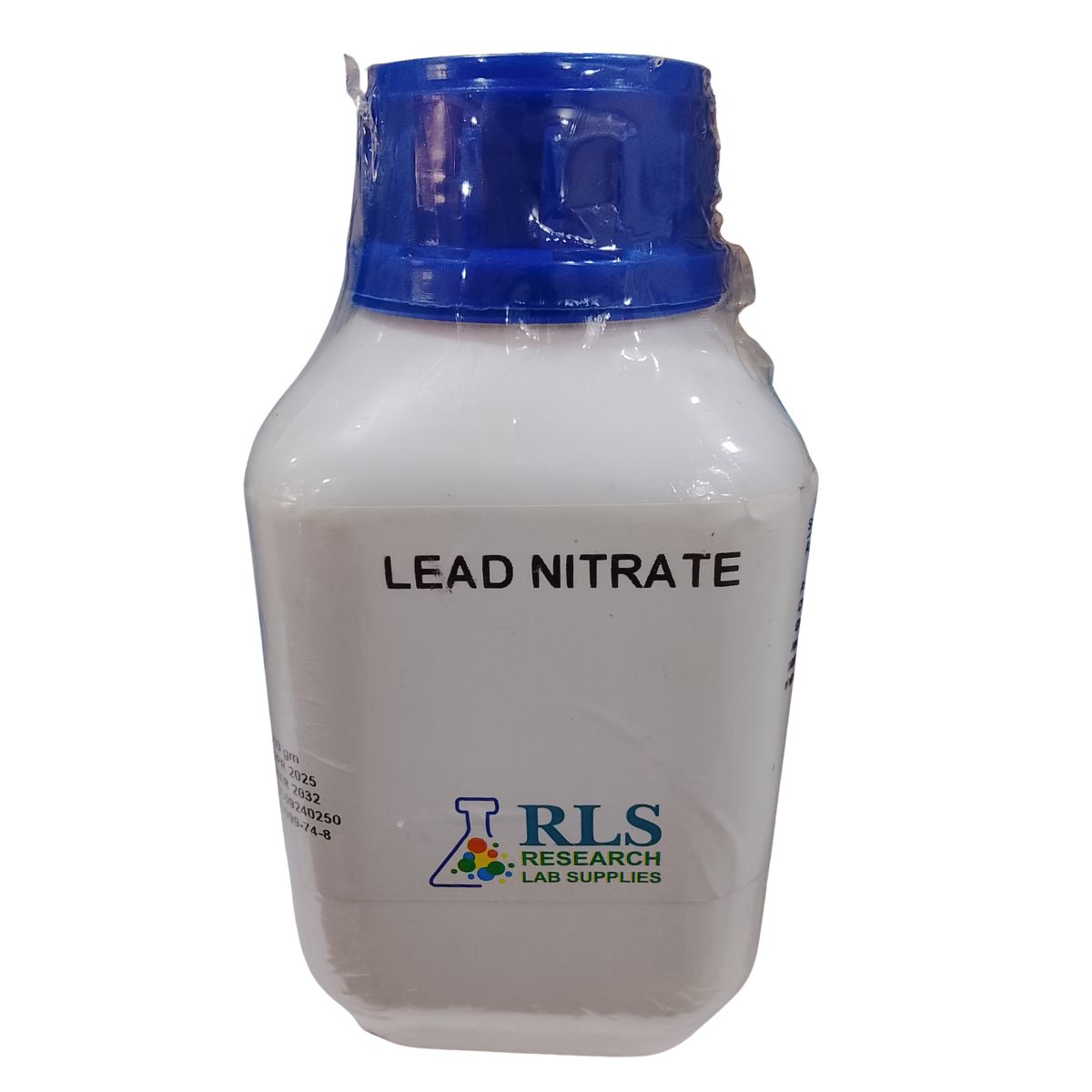
LEAD NITRATE
Lead(II) nitrate is an inorganic compound with the chemical formula Pb(NO₃)₂. It commonly occurs as a colourless crystal or white powder and, unlike most other lead(II) salts, is soluble in water. Formula: Pb(NO3)2
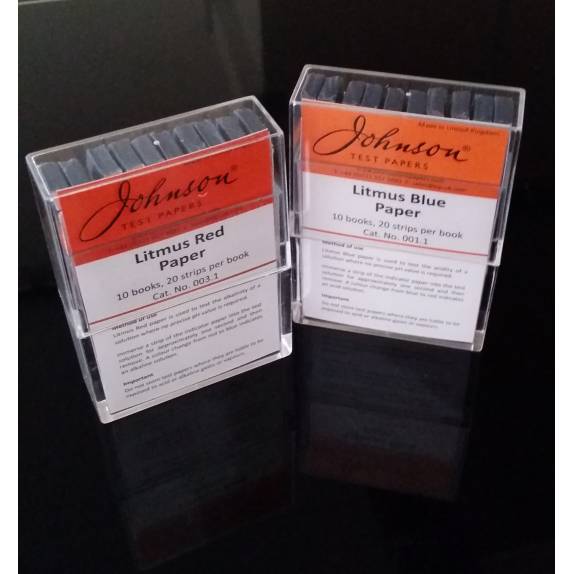
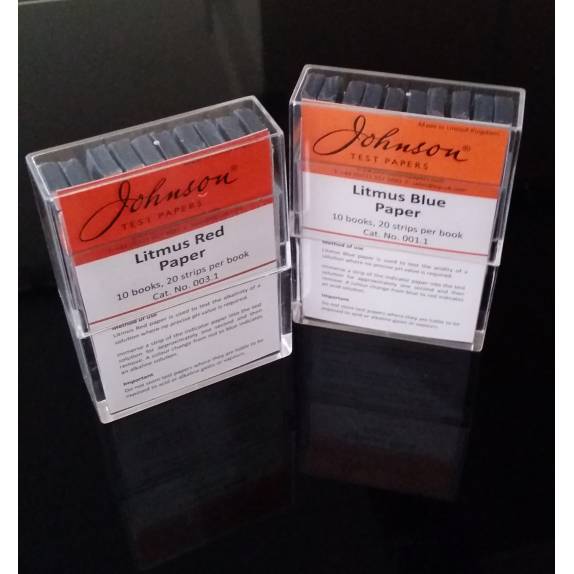
LITMUS PAPER BLUE(JOHNSON)
While litmus paper may be used to determine whether an aqueous solution is an acid or a base, it not good for estimating the pH value of the liquid.
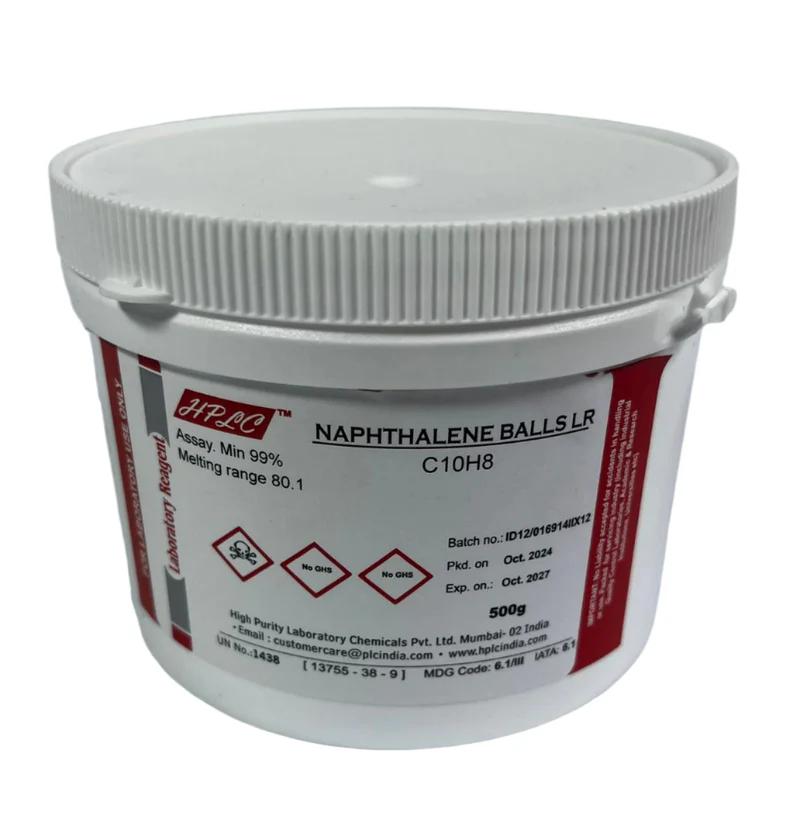
NAPHTHALENE BALLS
Naphthalene is an organic compound with formula C ₁₀H ₈. It is the simplest polycyclic aromatic hydrocarbon, and is a white crystalline solid with a characteristic odor that is detectable at concentrations as low as 0.08 ppm by mass. Formula: C10H8
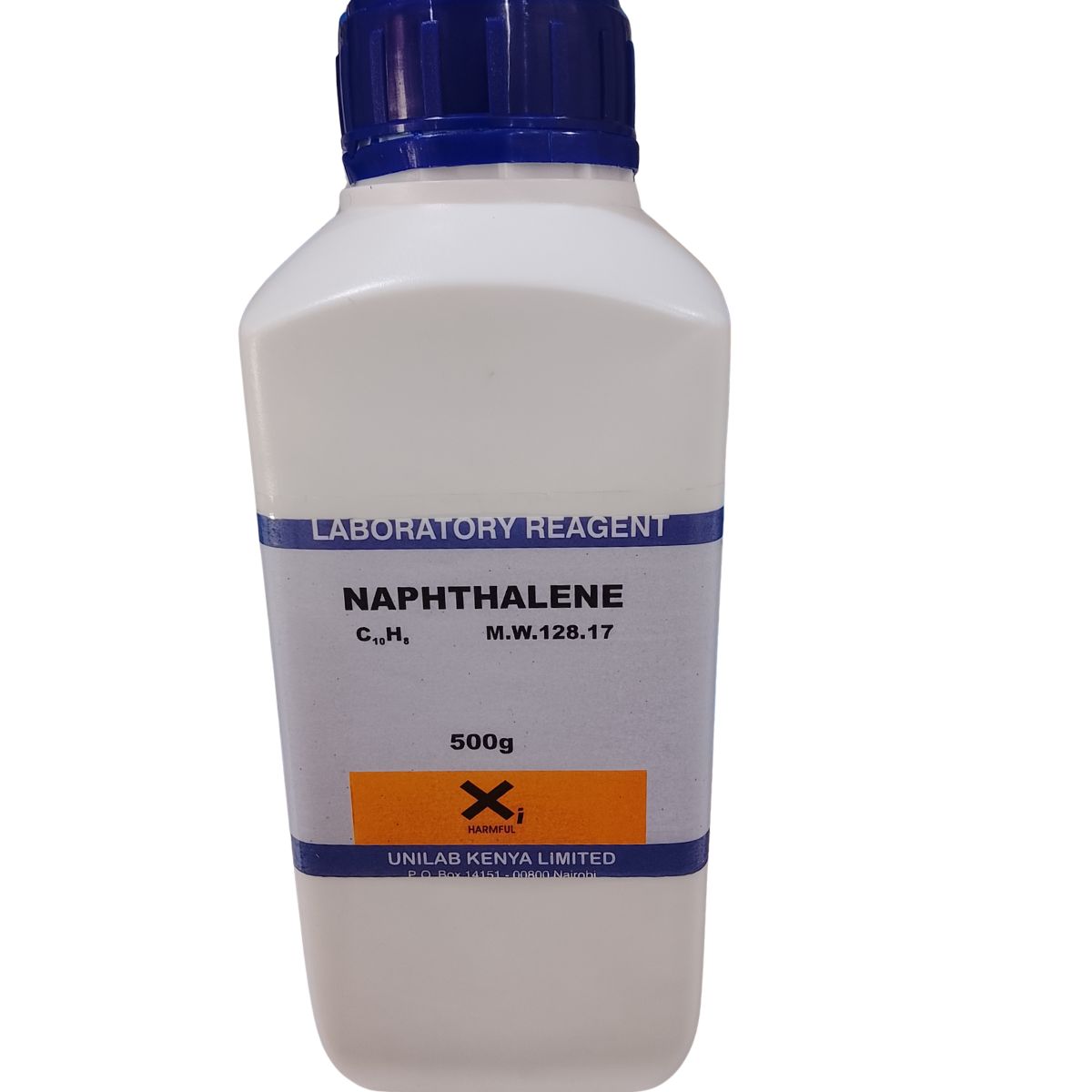
NAPHTHALENE POWDER
Naphthalene is an organic compound with formula C ₁₀H ₈. It is the simplest polycyclic aromatic hydrocarbon, and is a white crystalline solid with a characteristic odor that is detectable at concentrations as low as 0.08 ppm by mass. Formula: C10H8
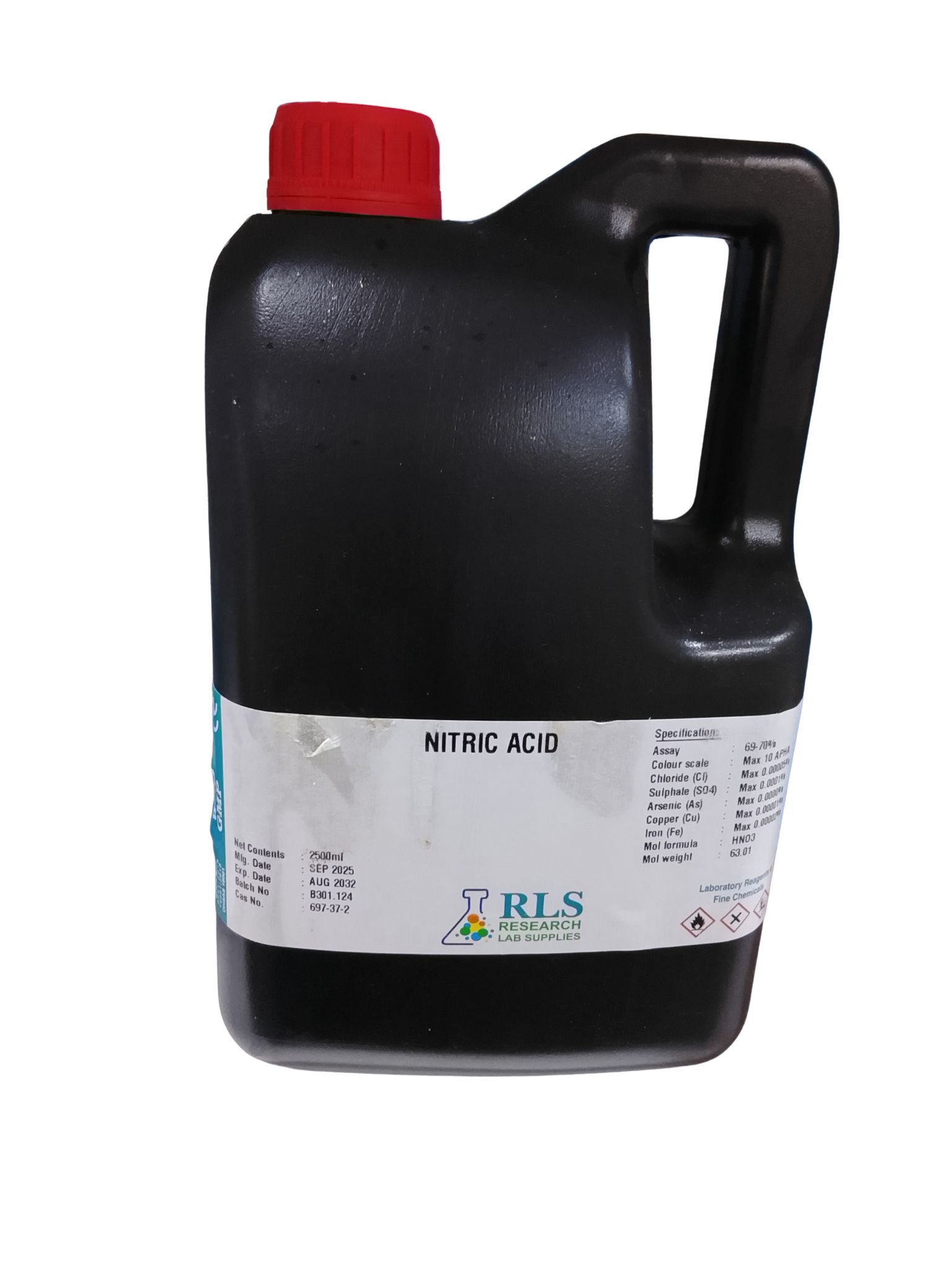
NITRIC ACID
Nitric acid, also known as aqua fortis and spirit of niter, is a highly corrosive mineral acid. The pure compound is colorless, but older samples tend to acquire a yellow cast due to decomposition into oxides of nitrogen and water. Most commercially available nitric acid has a concentration of 68% in water. Formula: HNO3
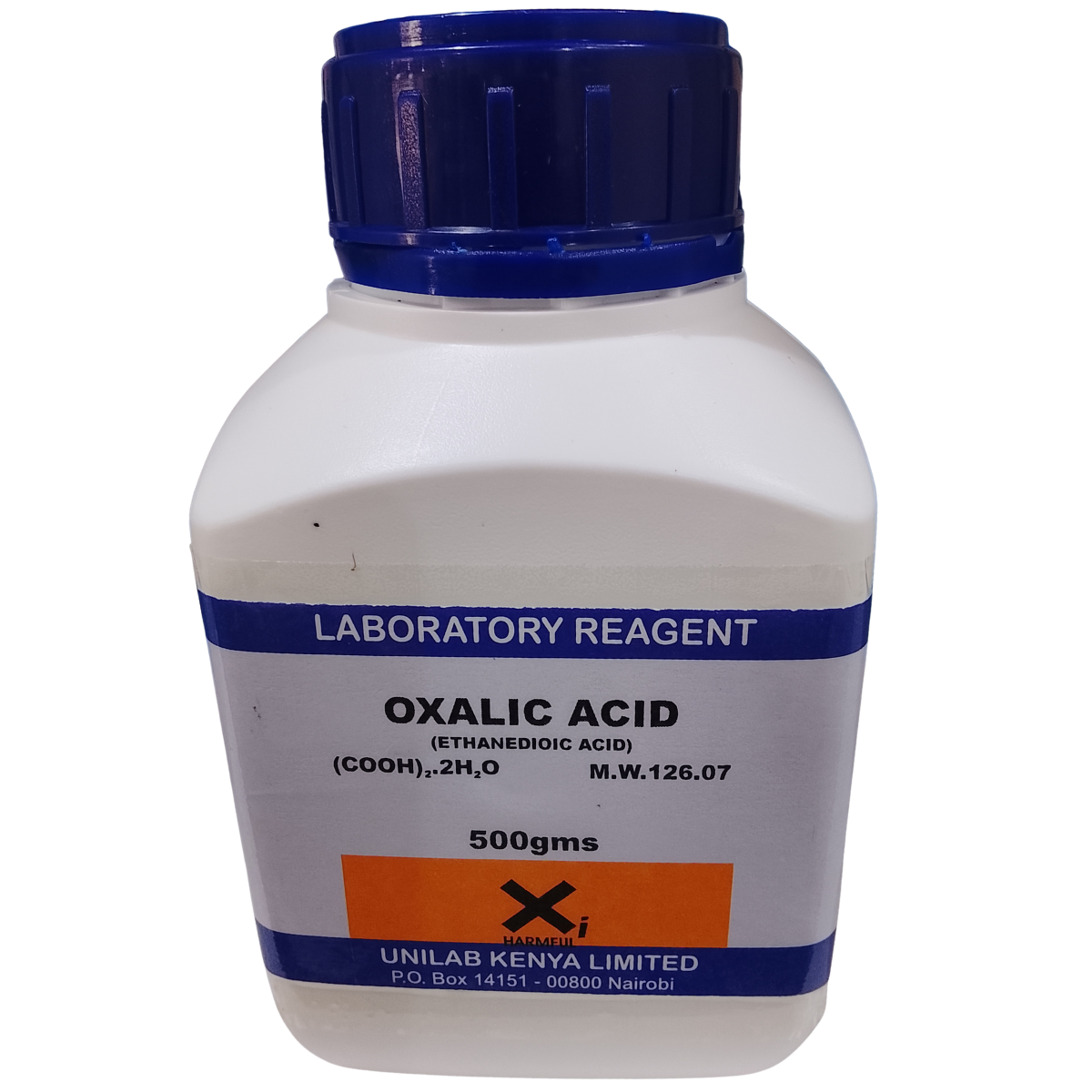
OXALIC ACID
Oxalic acid is an alpha,omega-dicarboxylic acid that is ethane substituted by carboxyl groups at positions 1 and 2. It has a role as a human metabolite, a plant metabolite and an algal metabolite. It is a conjugate acid of an oxalate(1-) and an oxalate. Oxalic acid is an odorless white solid.
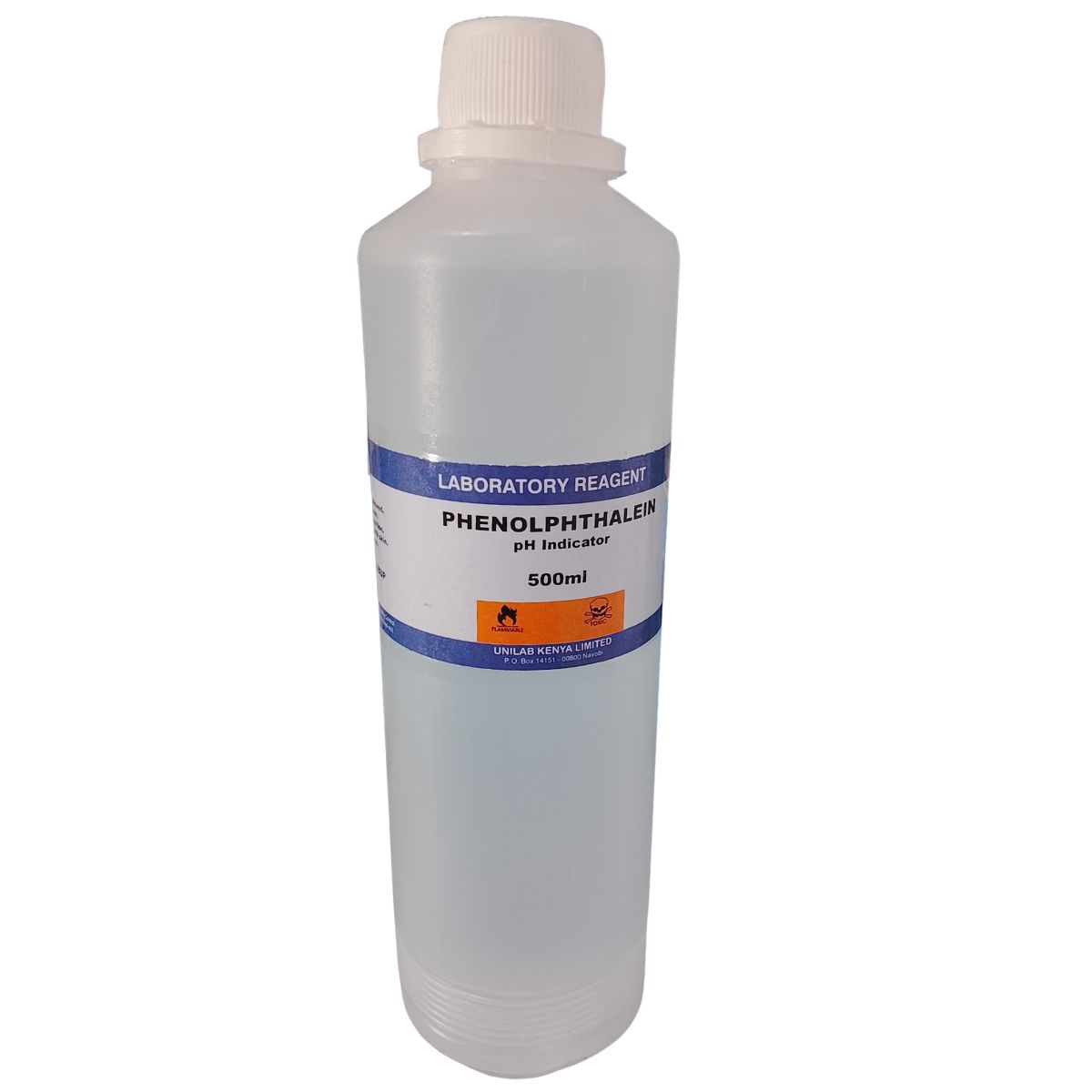
PHENOLPHTHALEIN
Phenolphthalein, represented by the chemical formula C20H14O4 is colorless in acidic environments and distinctly turns red or pink in basic conditions, allowing precise identification of the endpoint during titration. This compound is valued in laboratory settings for its clear and sharp color change, facilitating accurate and efficient analysis. Its consistent performance makes it an essential reagent in analytical chemistry and educational laboratory experiments.
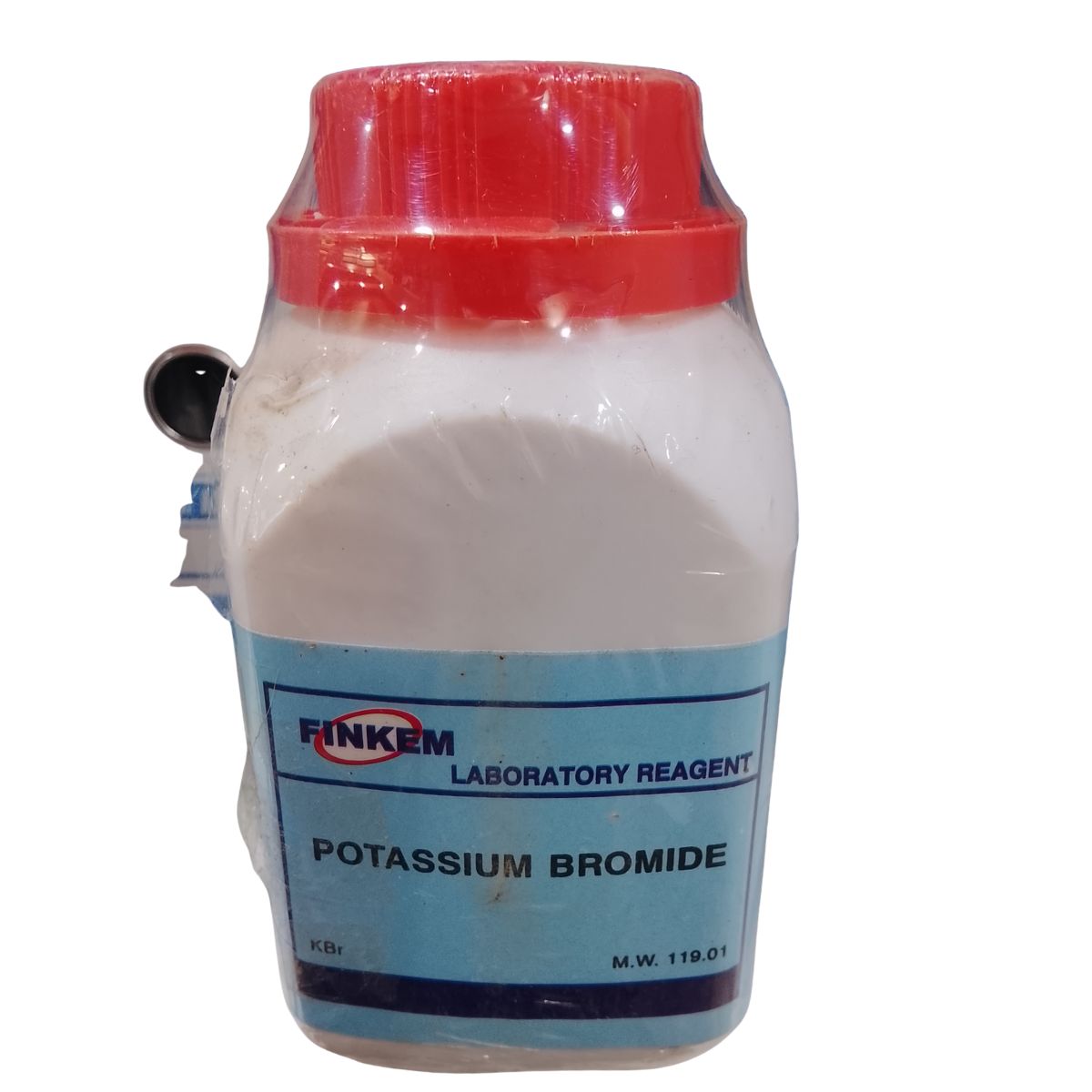
POTASSIUM BROMIDE
Potassium bromide is a versatile salt, commonly utilized as both an anticonvulsant and sedative during the late 19th and early 20th centuries, and approved for over-the-counter use in the US until 1975. Formula: KBr
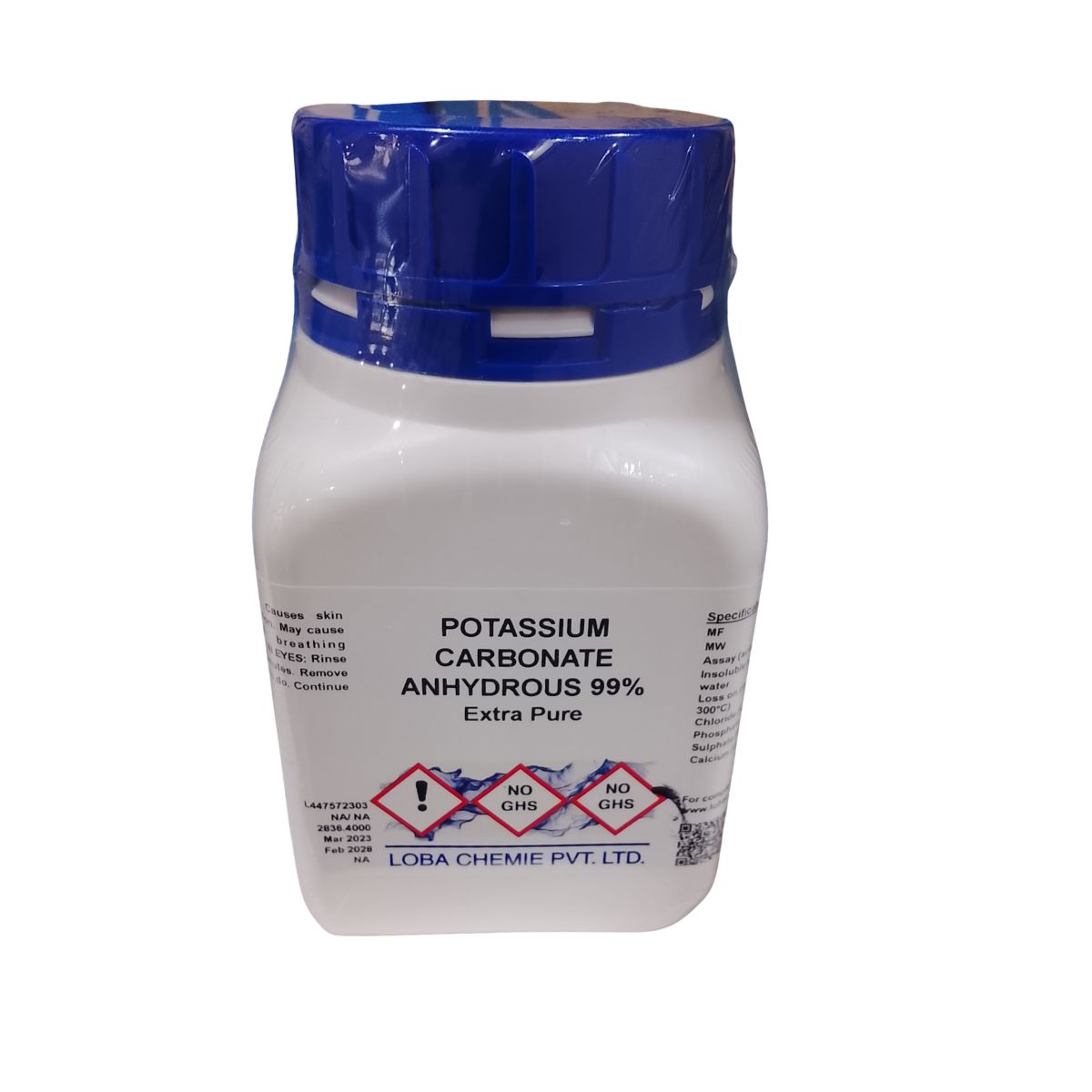
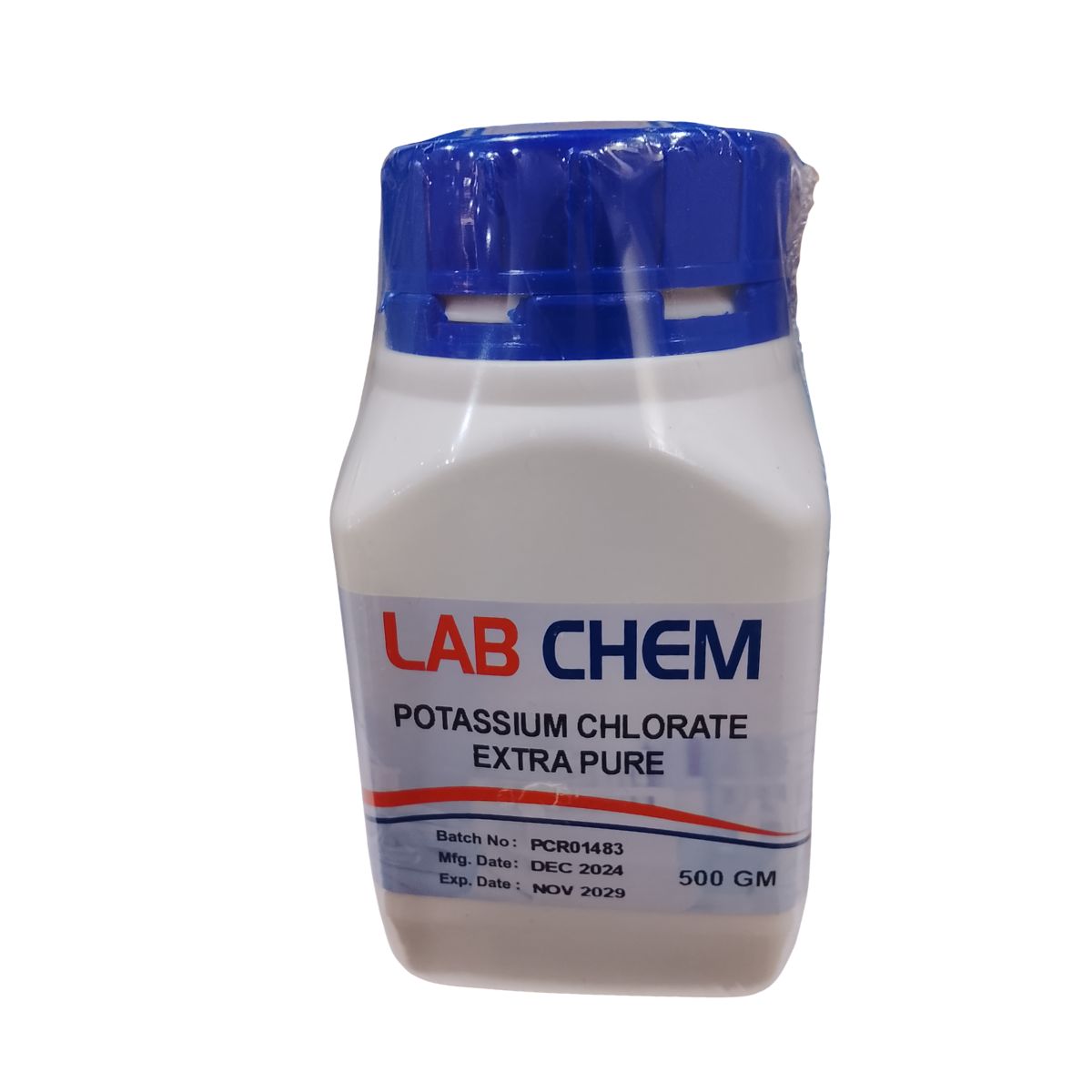
POTASSIUM CHLORATE
Potassium chlorate is a compound containing potassium, chlorine and oxygen, with the molecular formula KClO₃. In its pure form, it is a white crystalline substance. It is the most common chlorate in industrial use. Formula: KClO3
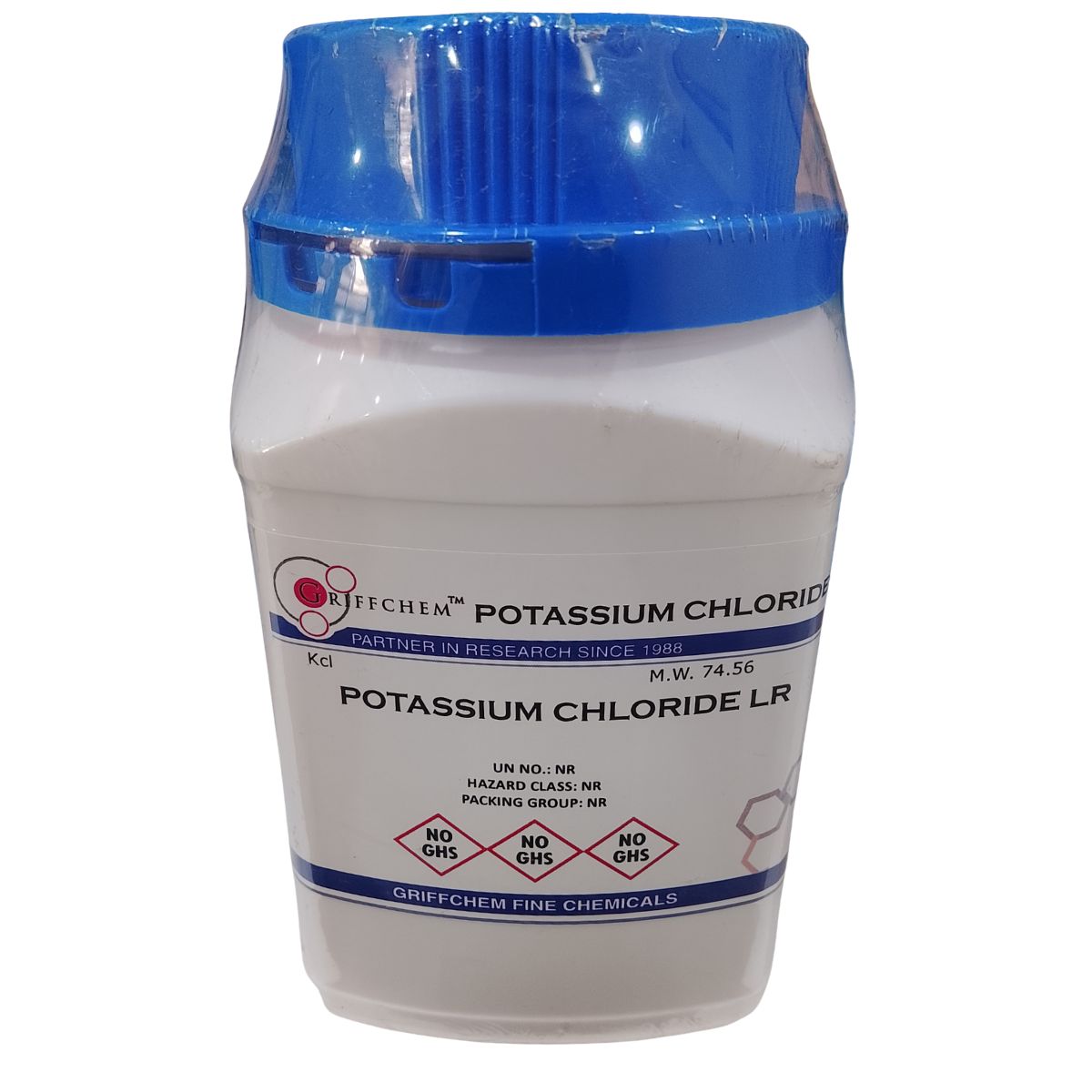
POTASSIUM CHLORIDE
Potassium chloride is a metal halide salt composed of potassium and chlorine. It is odorless and has a white or colorless vitreous crystal appearance. The solid dissolves readily in water and its solutions have a salt-like taste.
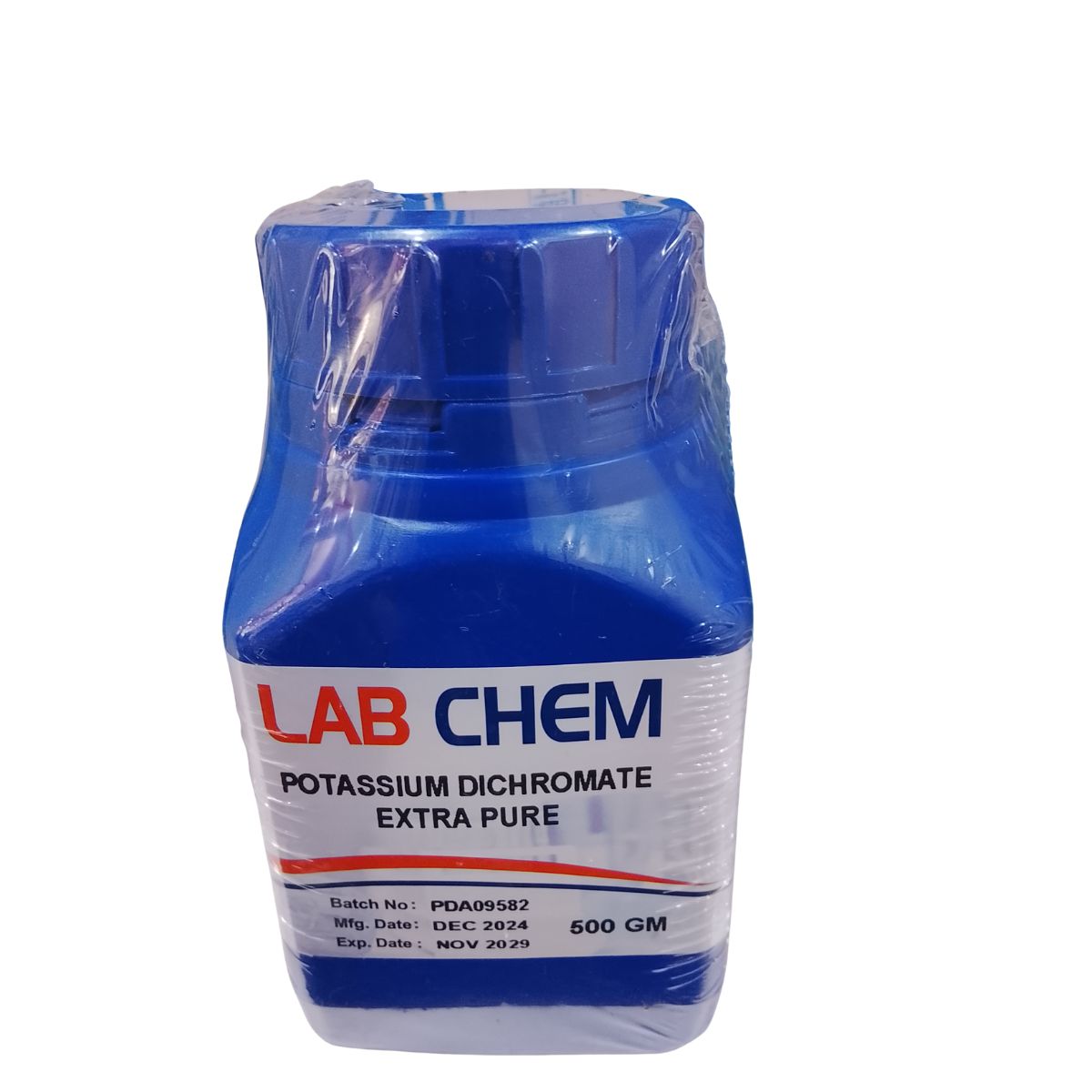
POTASSIUM DICHROMATE
K₂Cr₂O₇, also known as Potassium dichromate, is a widely used inorganic chemical reagent in laboratory and industrial settings, primarily as an oxidizing agent. However, since it belongs to the hexavalent chromium compounds, it poses serious risks to both short-term and long-term health.
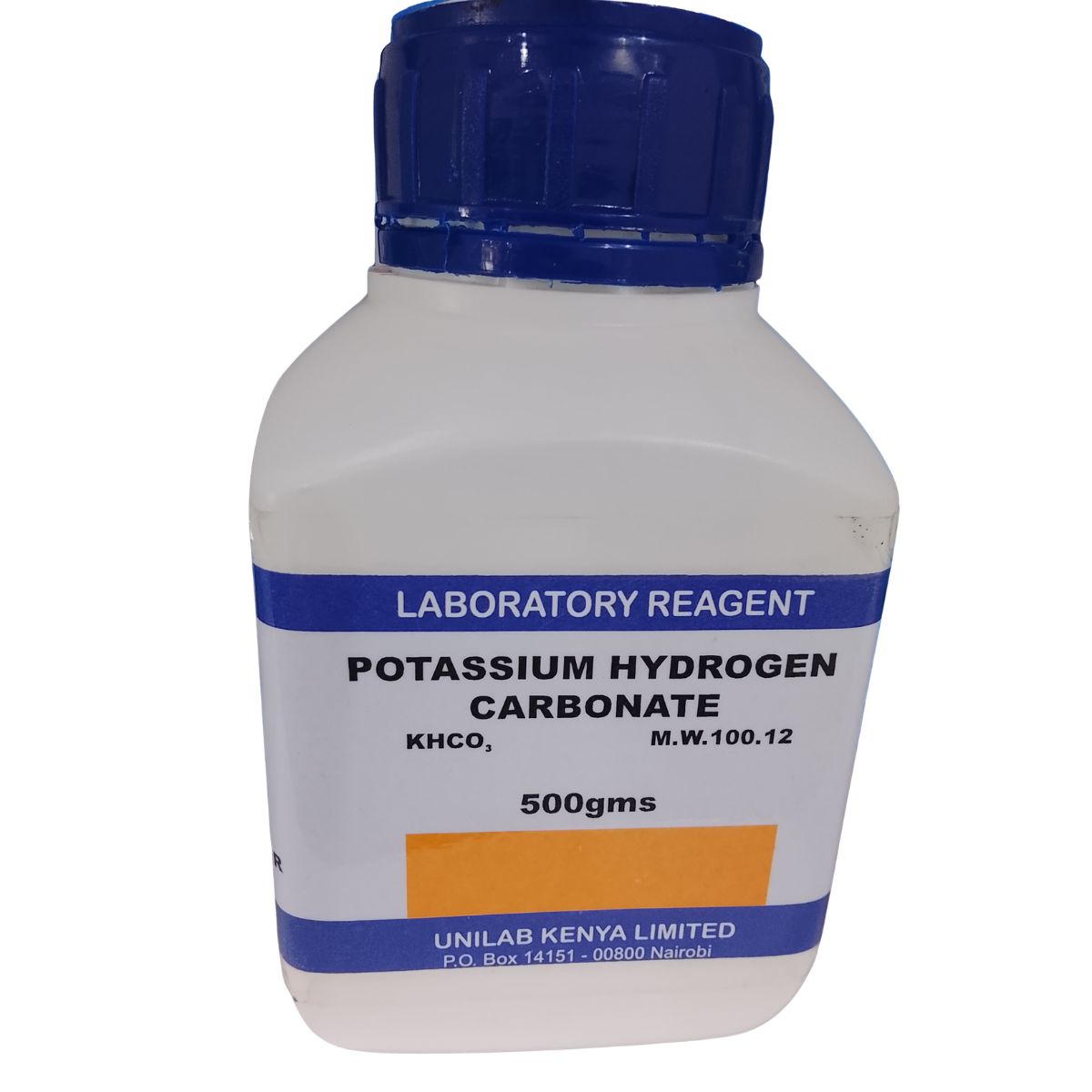
POTASSIUM HYDROGEN CARBONATE
Potassium hydrogen carbonate, with the chemical formula KHCO₃, is a white solid. Formula: KHCO3
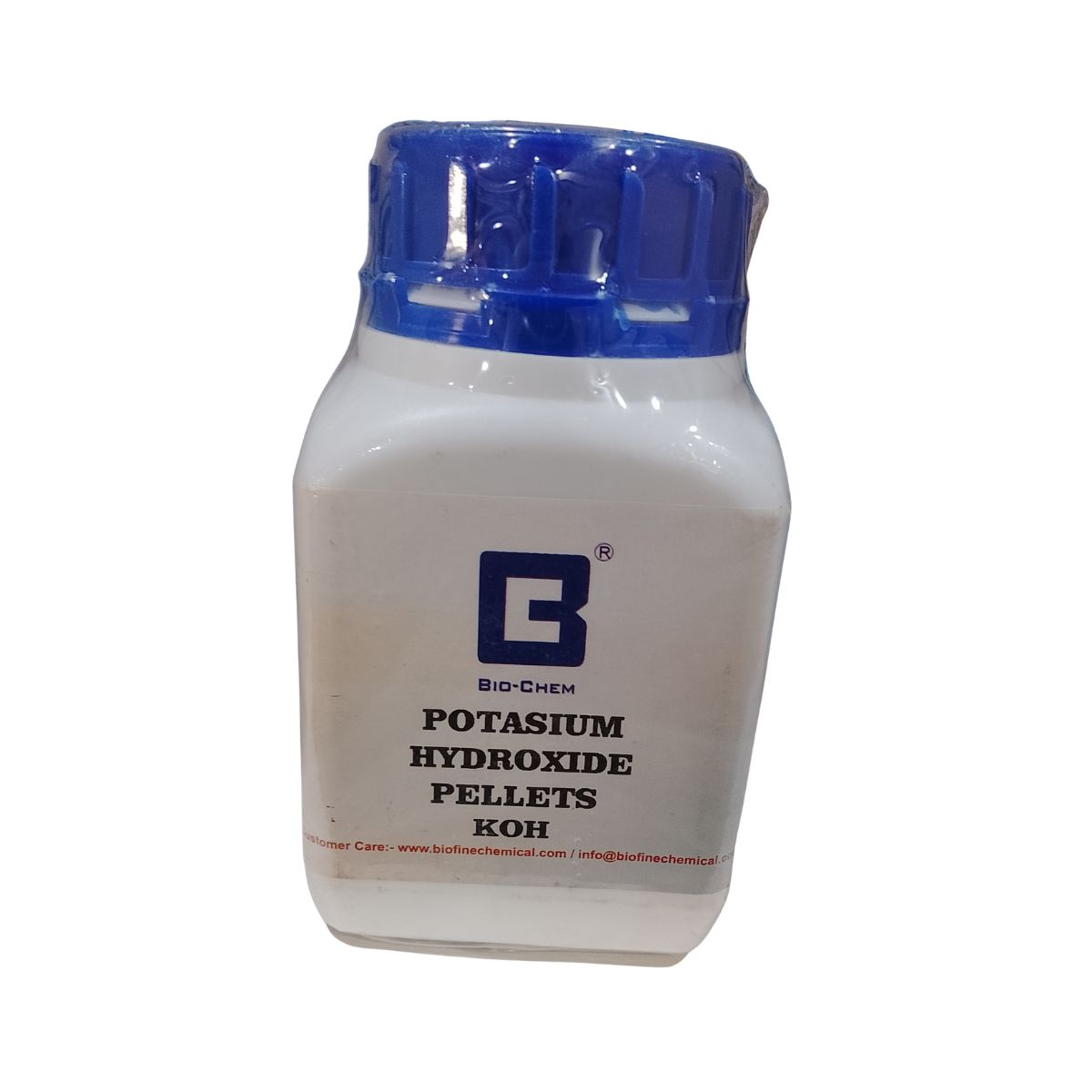
POTASSIUM HYDROXIDE PELLETS
Potassium hydroxide, also known as _lye_ is an inorganic compound with the chemical formula KOH. Also commonly referred to as caustic potash, it is a potent base that is marketed in several forms including pellets, flakes, and powders. It is used in various chemical, industrial and manufacturing applications.
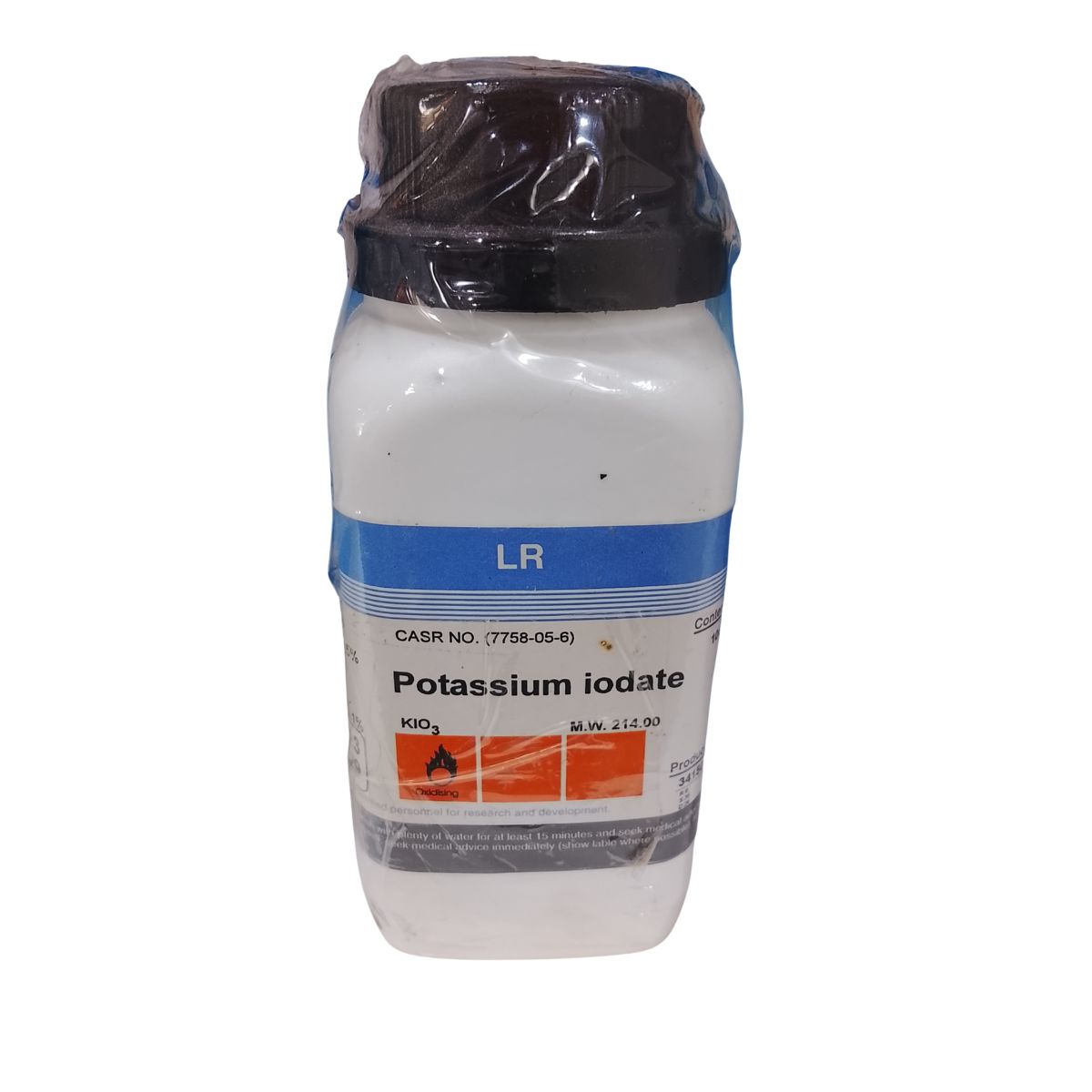
POTASSIUM IODATE
Potassium iodate is a chemical compound. It is ionic, made up of K⁺ ions and IO₃⁻ ions in a 1:1 ratio. Formula: KIO3
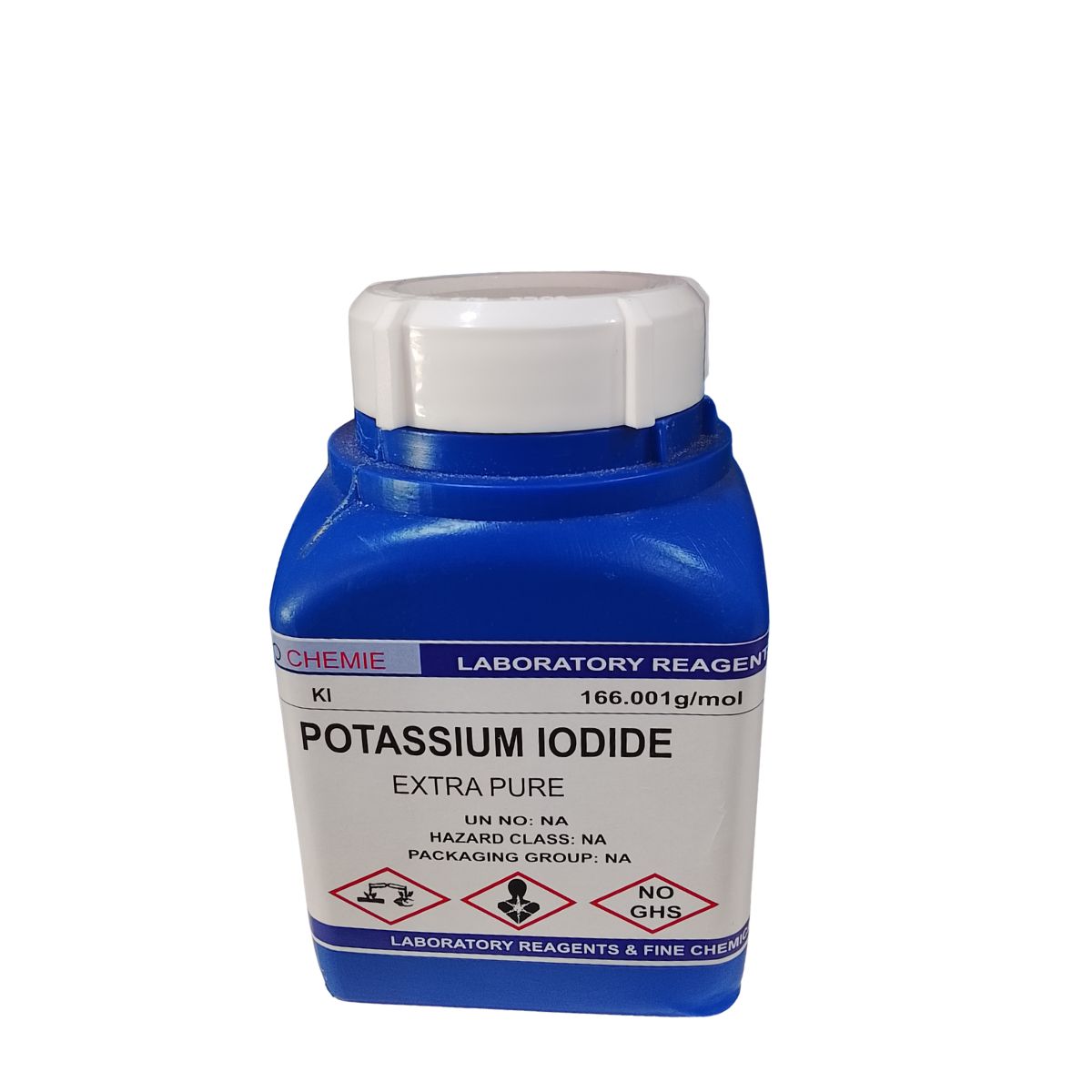
POTASSIUM IODIDE
It is a colorless crystalline solid. It is a weak reducing agent. It reacts with chlorine to make iodine and potassium chloride. It turns yellow when in air. Formula: KI
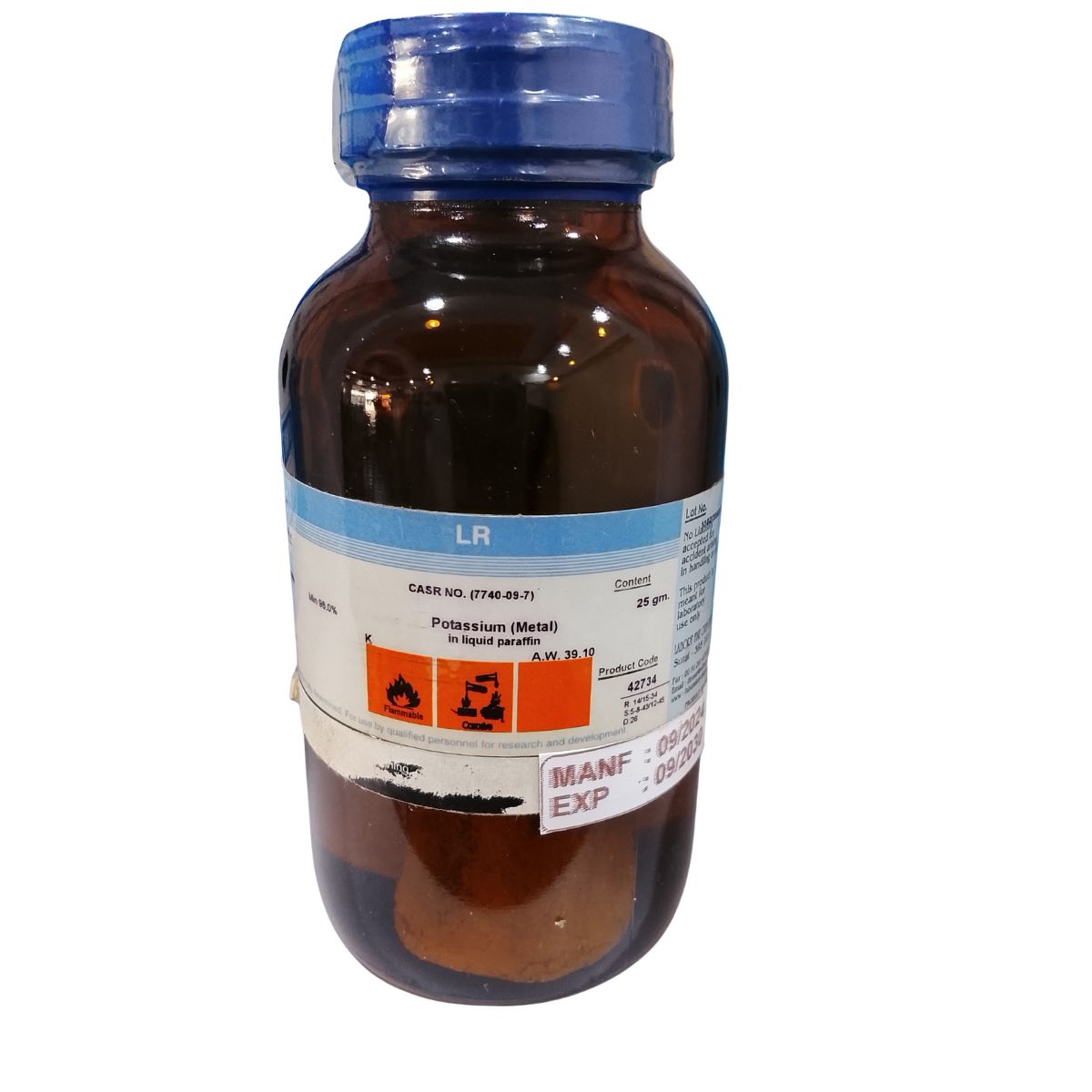
POTASSIUM METAL
Potassium is a chemical element with the symbol K and atomic number 19. Potassium is a silvery-white metal that is soft enough to be cut with a knife with little force. Potassium metal reacts rapidly with atmospheric oxygen to form flaky white potassium peroxide in only seconds of exposure.
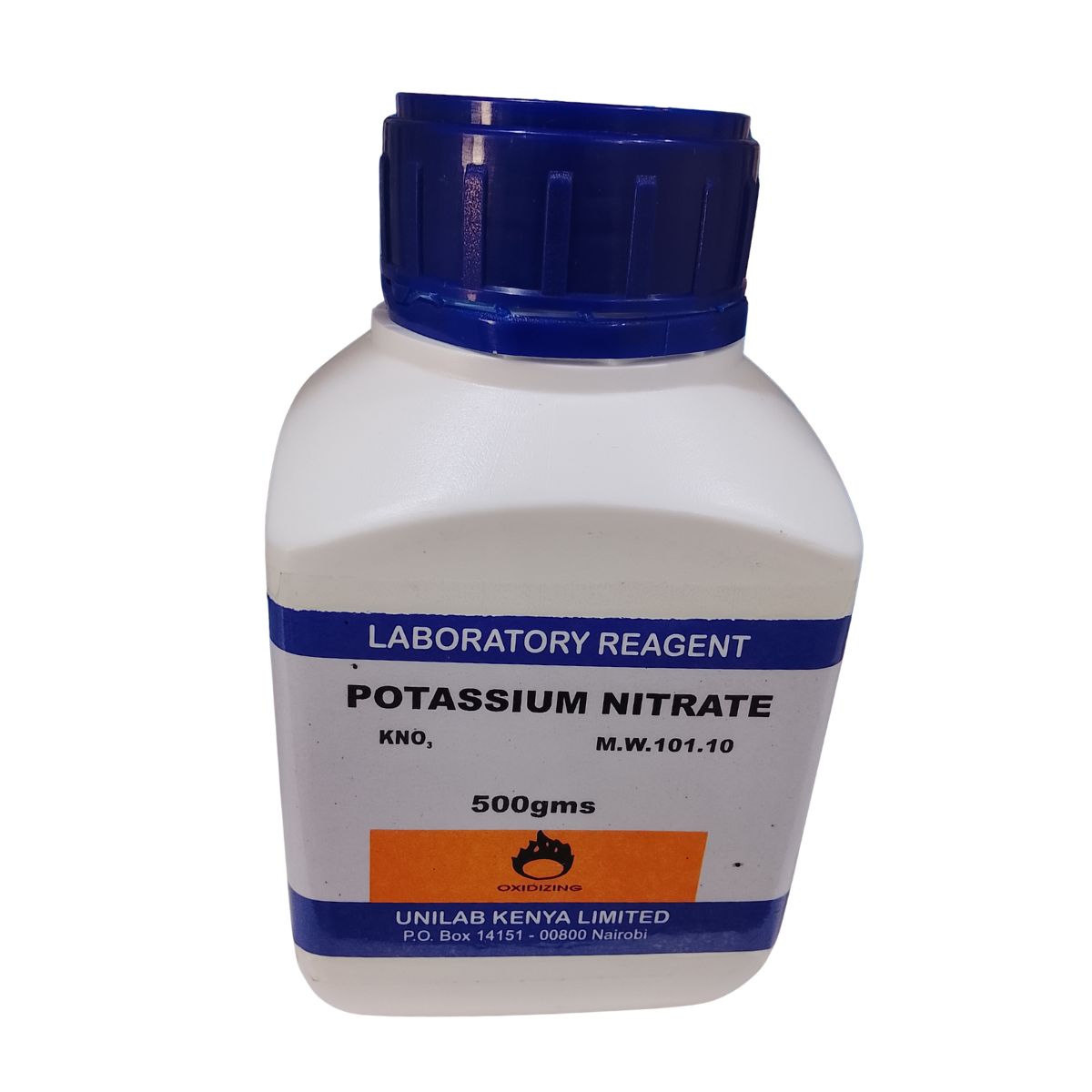
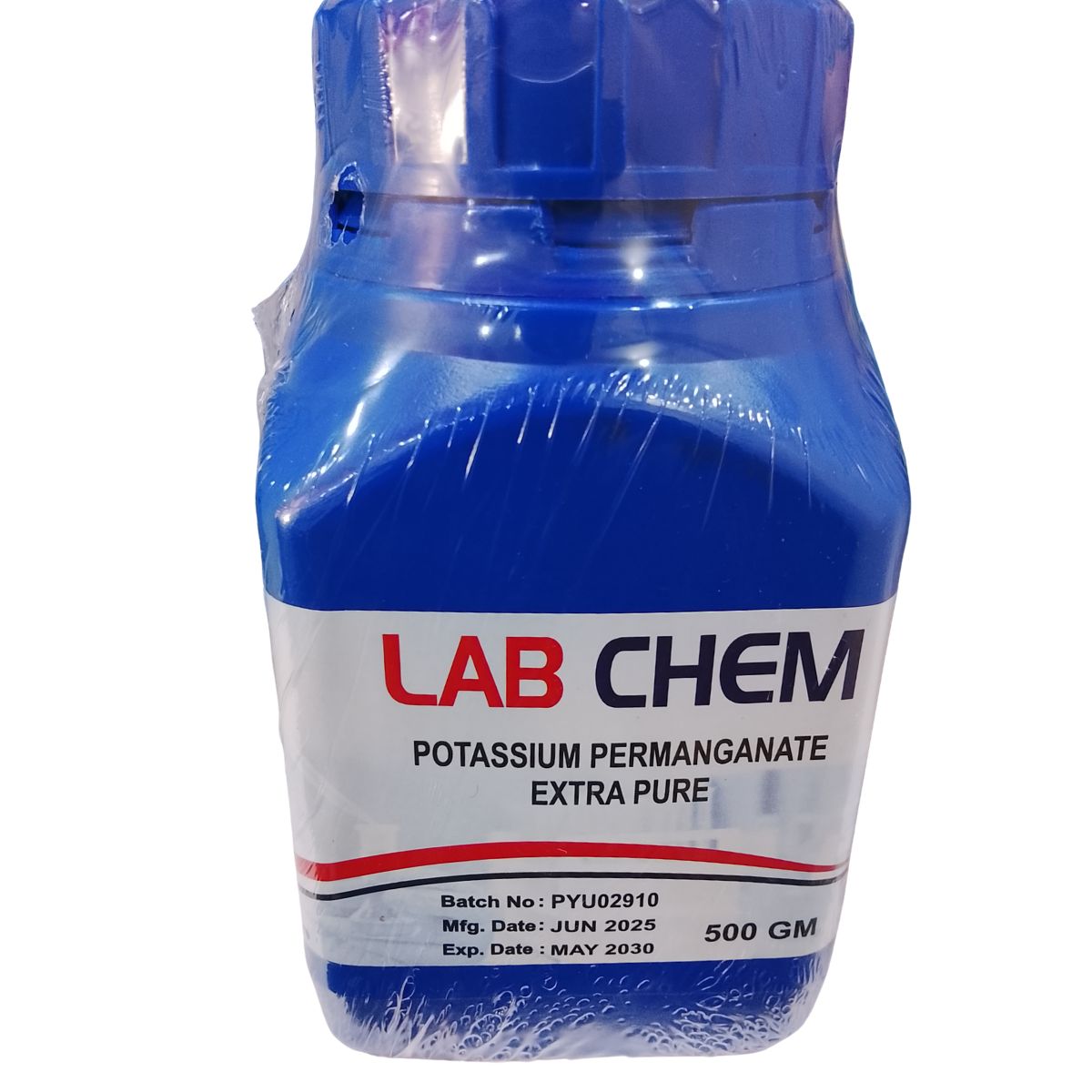
POTASSIUM PERMANGANATE
Potassium permanganate is a laboratory quality inorganic compound often used as a medication. It can effectively clean wounds and treat dermatitis. Its formula, KMnO₄, consists of K⁺ and MnO⁻ ₄ ions, making it a potent oxidizing agent.
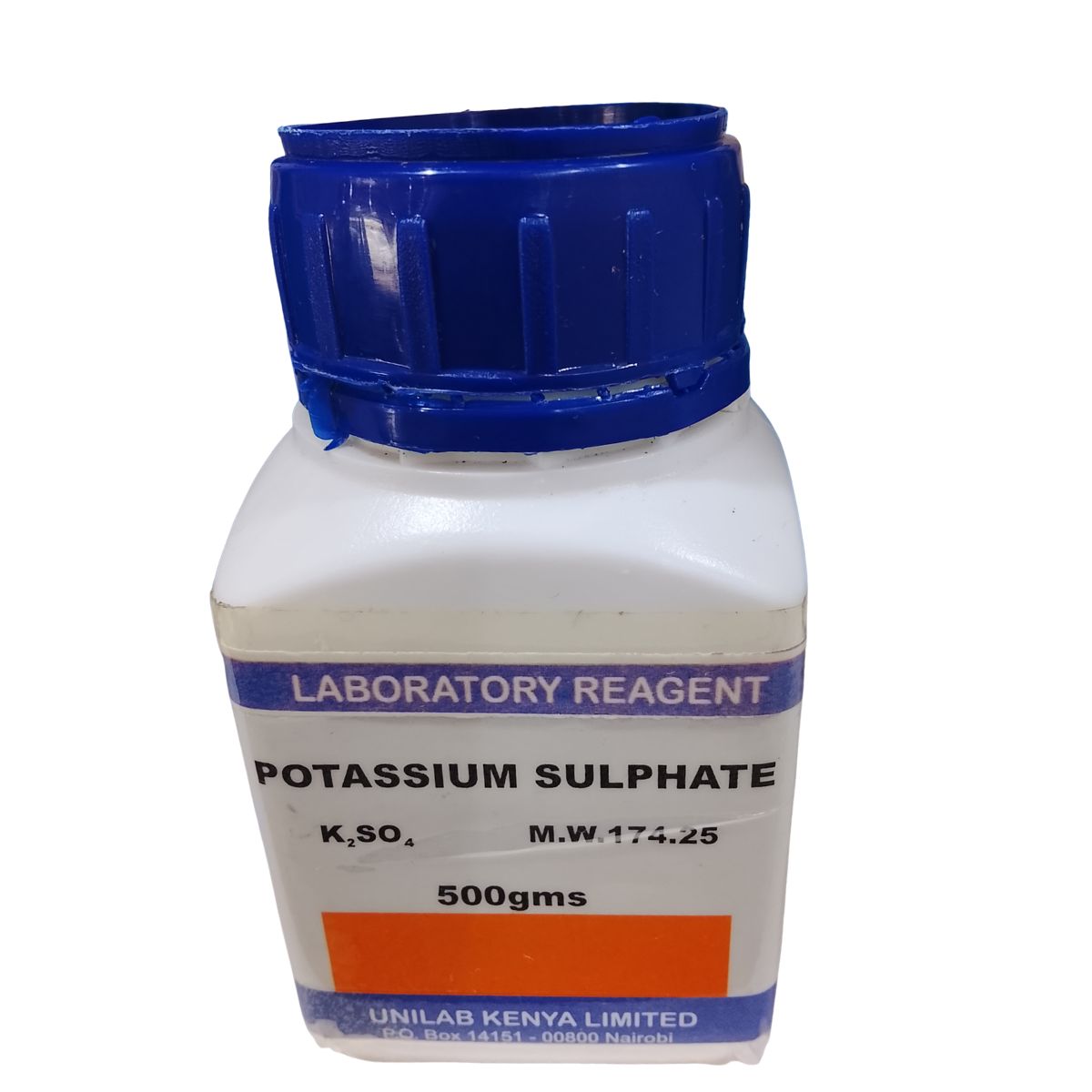
POTASSIUM SULPHATE
K₂SO₄, also known as Potassium Sulphate, is a white water-soluble solid often used in fertilizers for its high levels of potassium and Sulphur. Its formula is K2SO4.
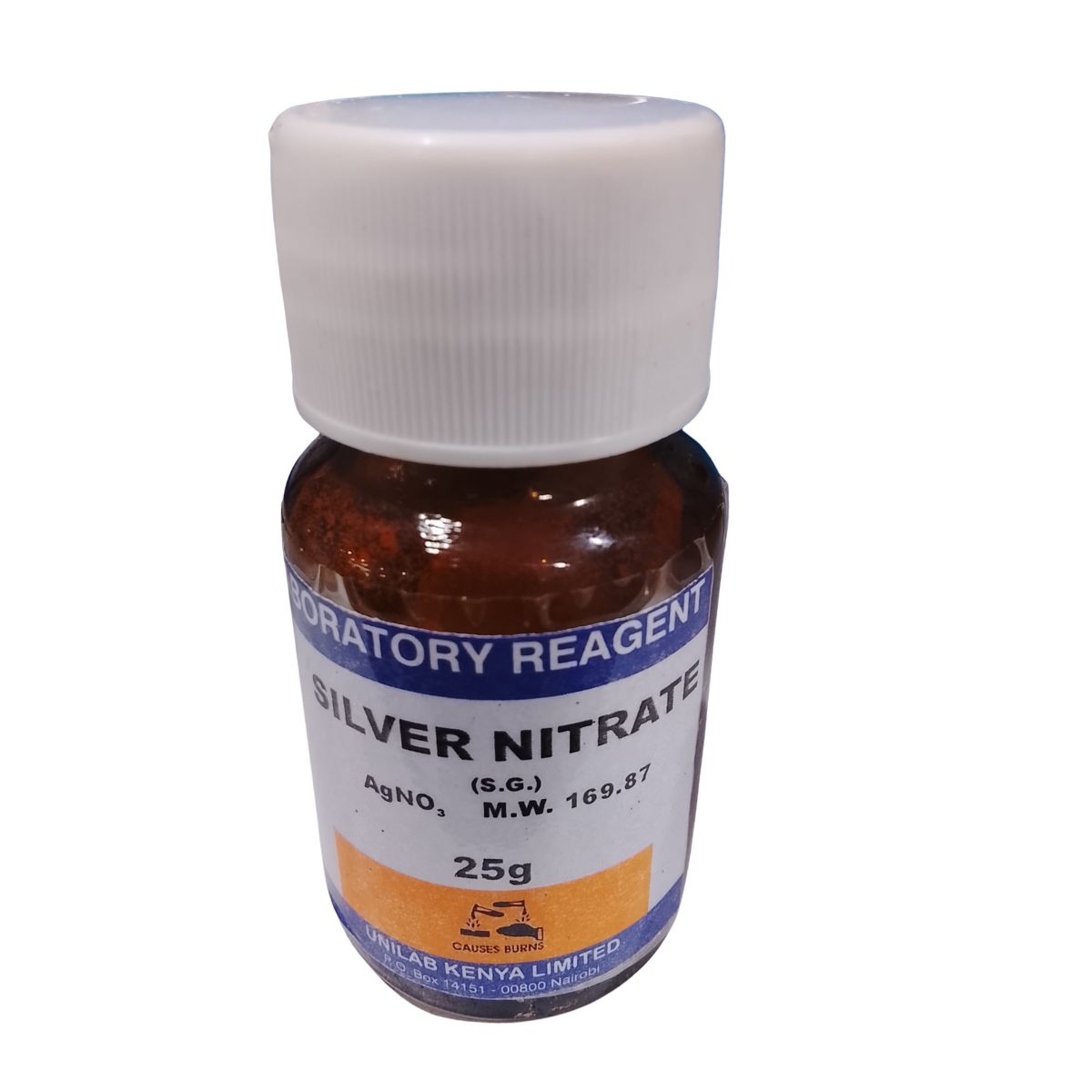
SILVER NITRATE
AgNO3 is an inorganic chemical compound that serves as a versatile precursor for various silver compounds, including those commonly utilized in photography. It has a lower sensitivity to light compared to halides, making it a valuable laboratory quality chemical.
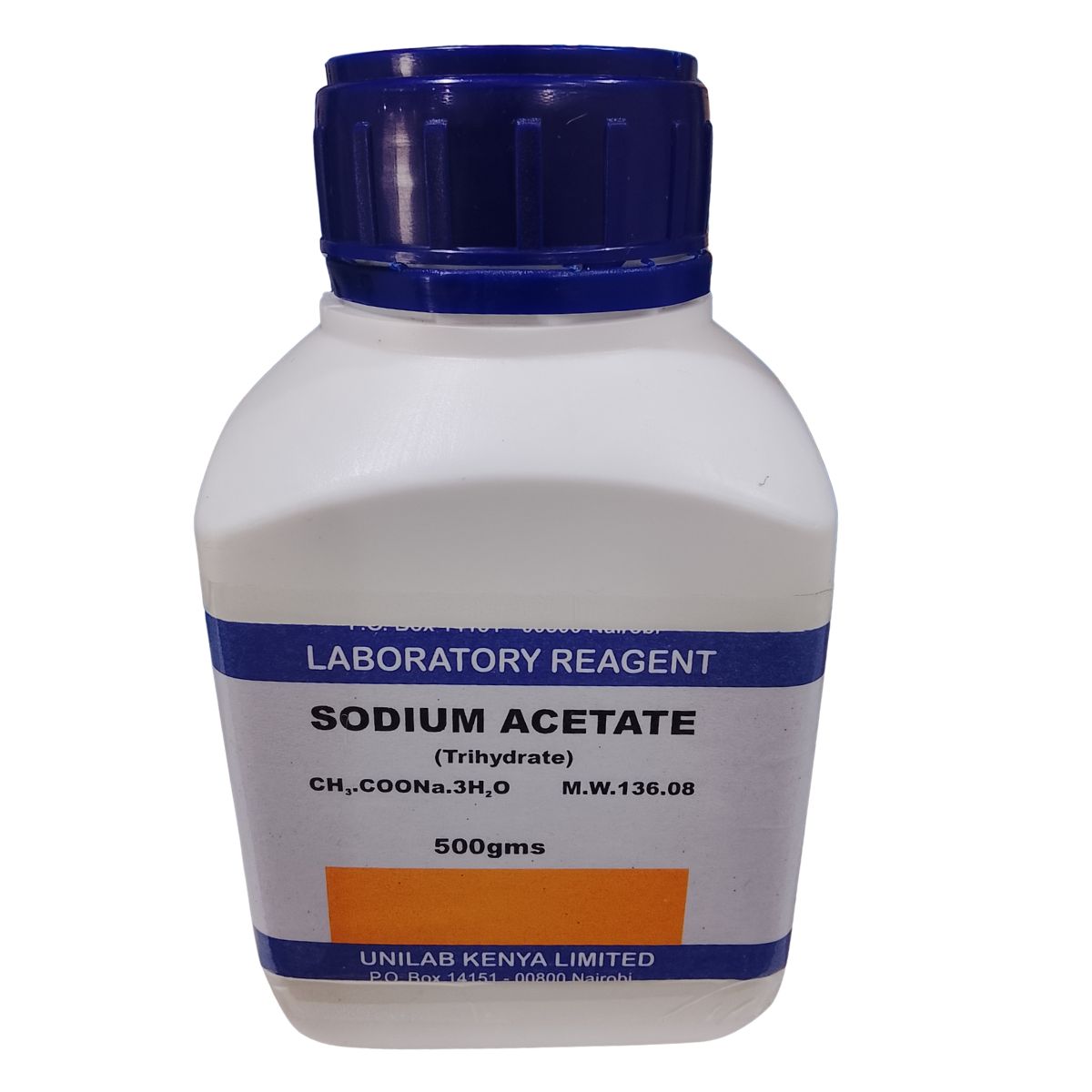
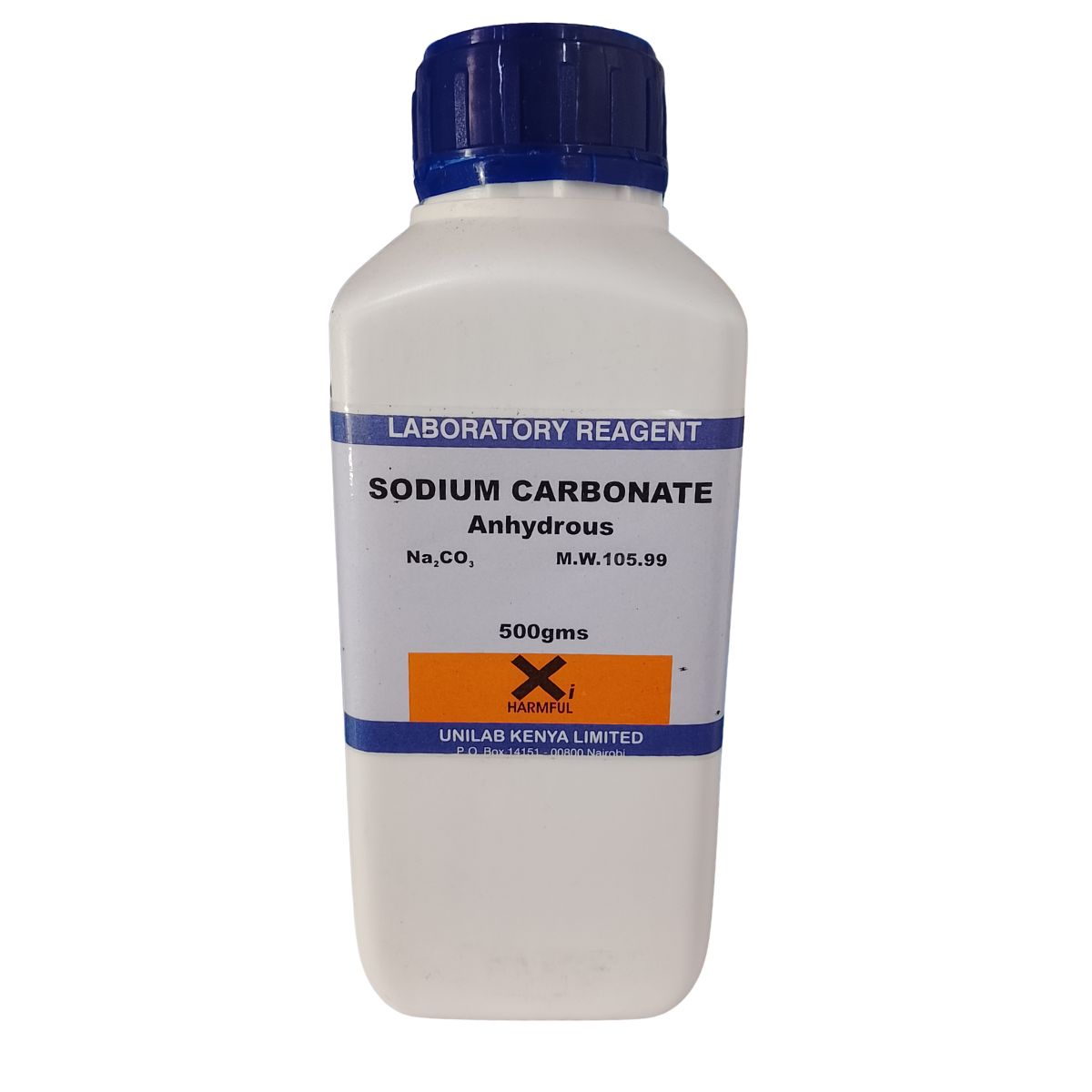
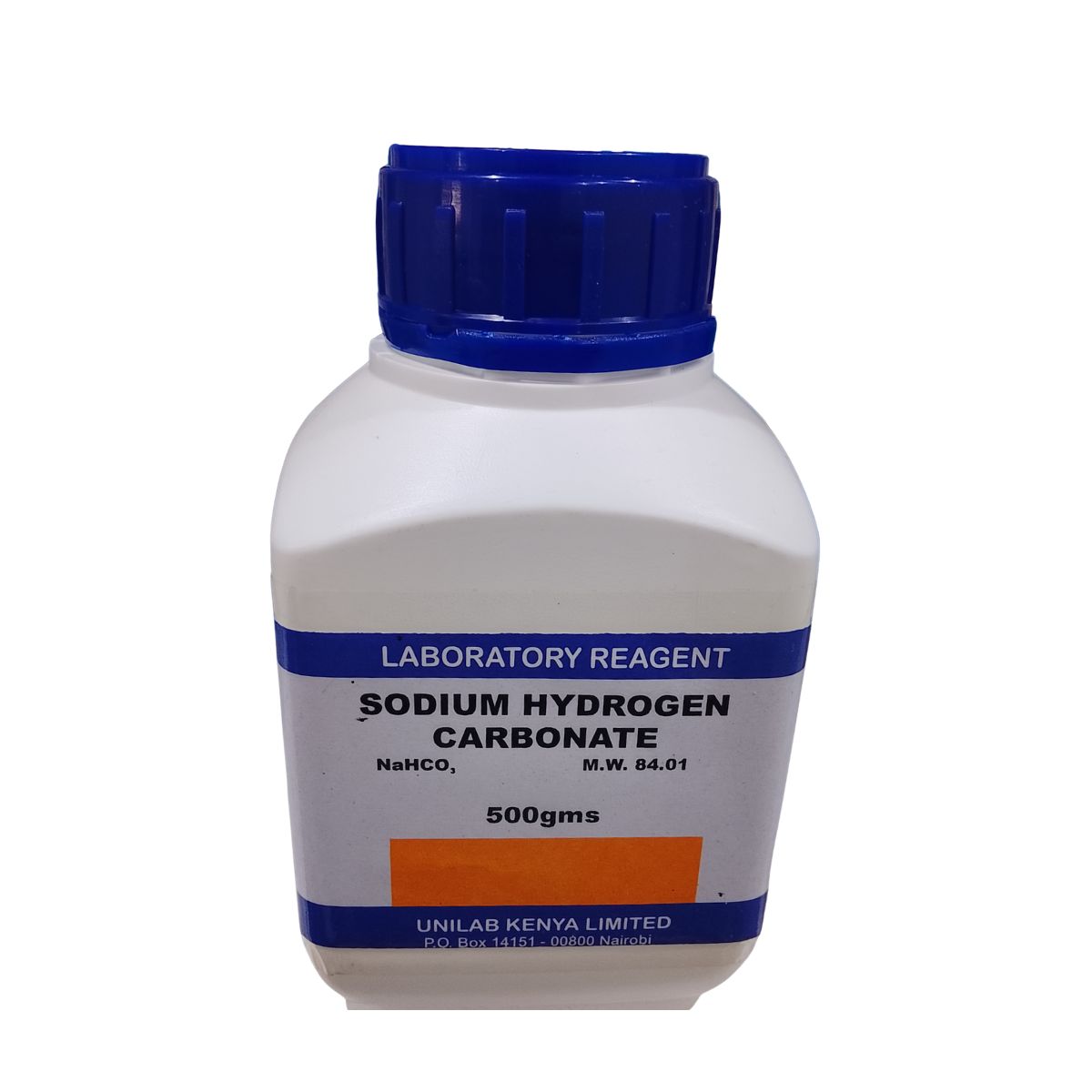
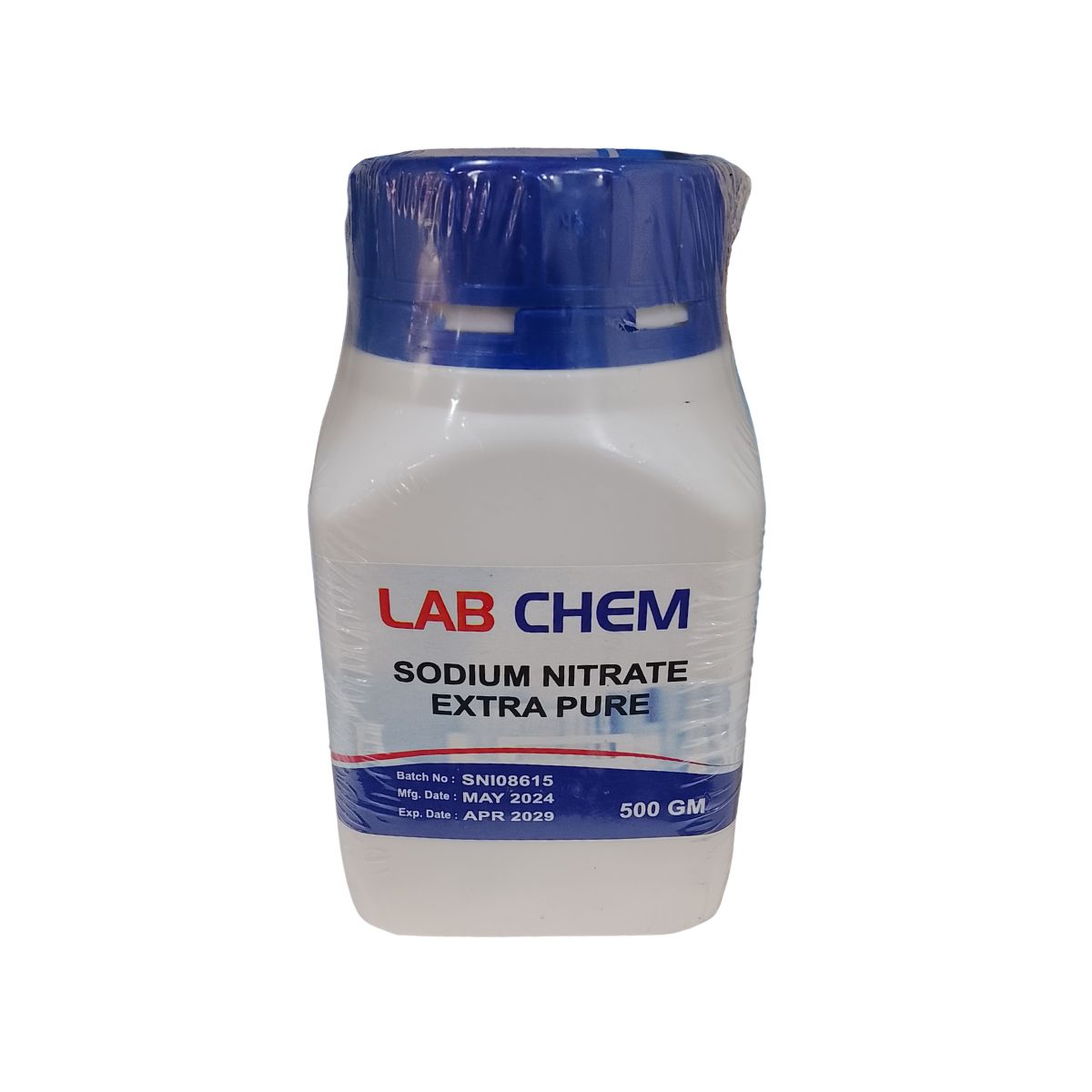
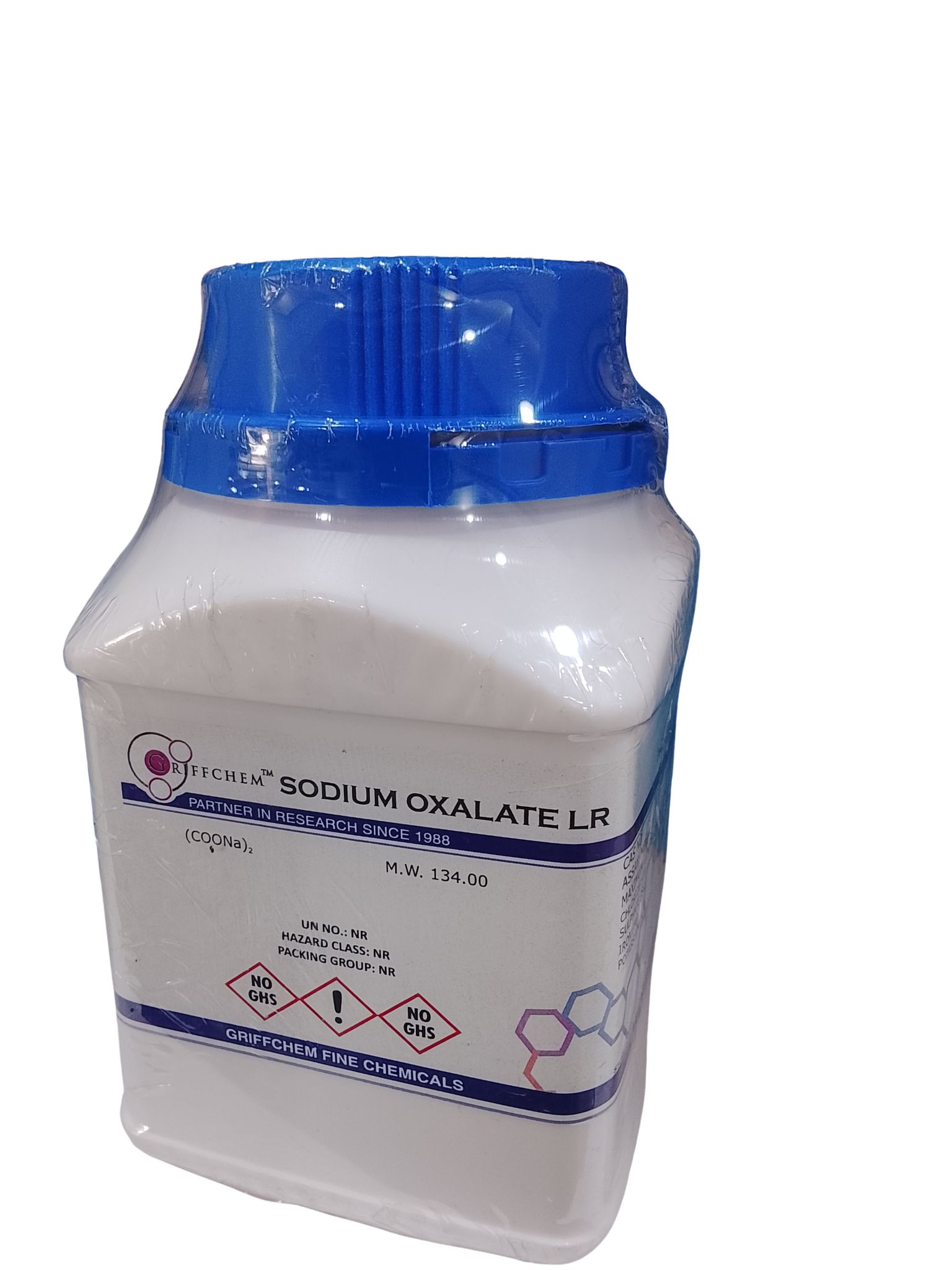
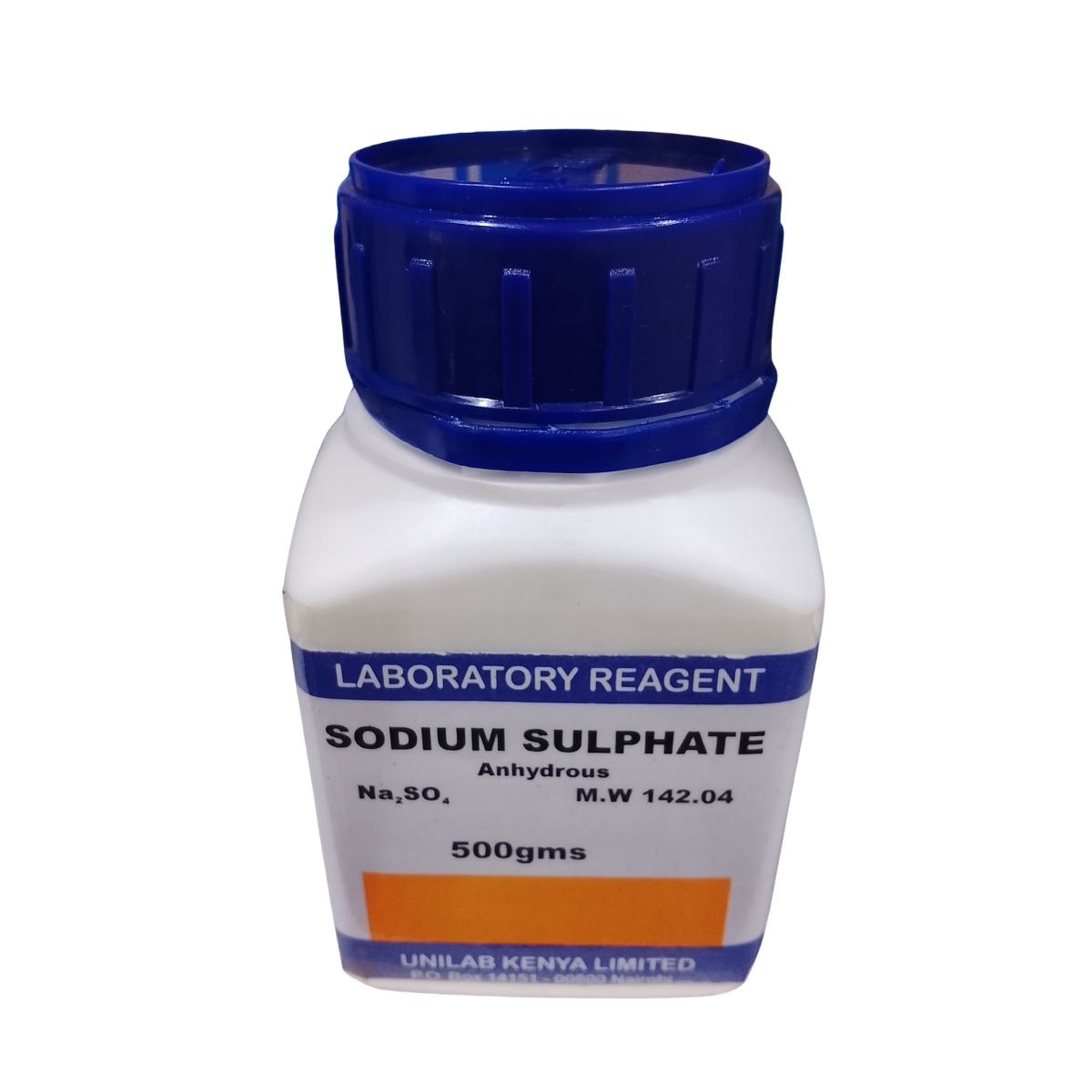
SODIUM SULPHATE ANHYDROUS
Sodium sulphate is the inorganic compound with formula Na₂SO₄ as well as several related hydrates. All forms are white solids that are highly soluble in water. Formula: Na₂SO₄
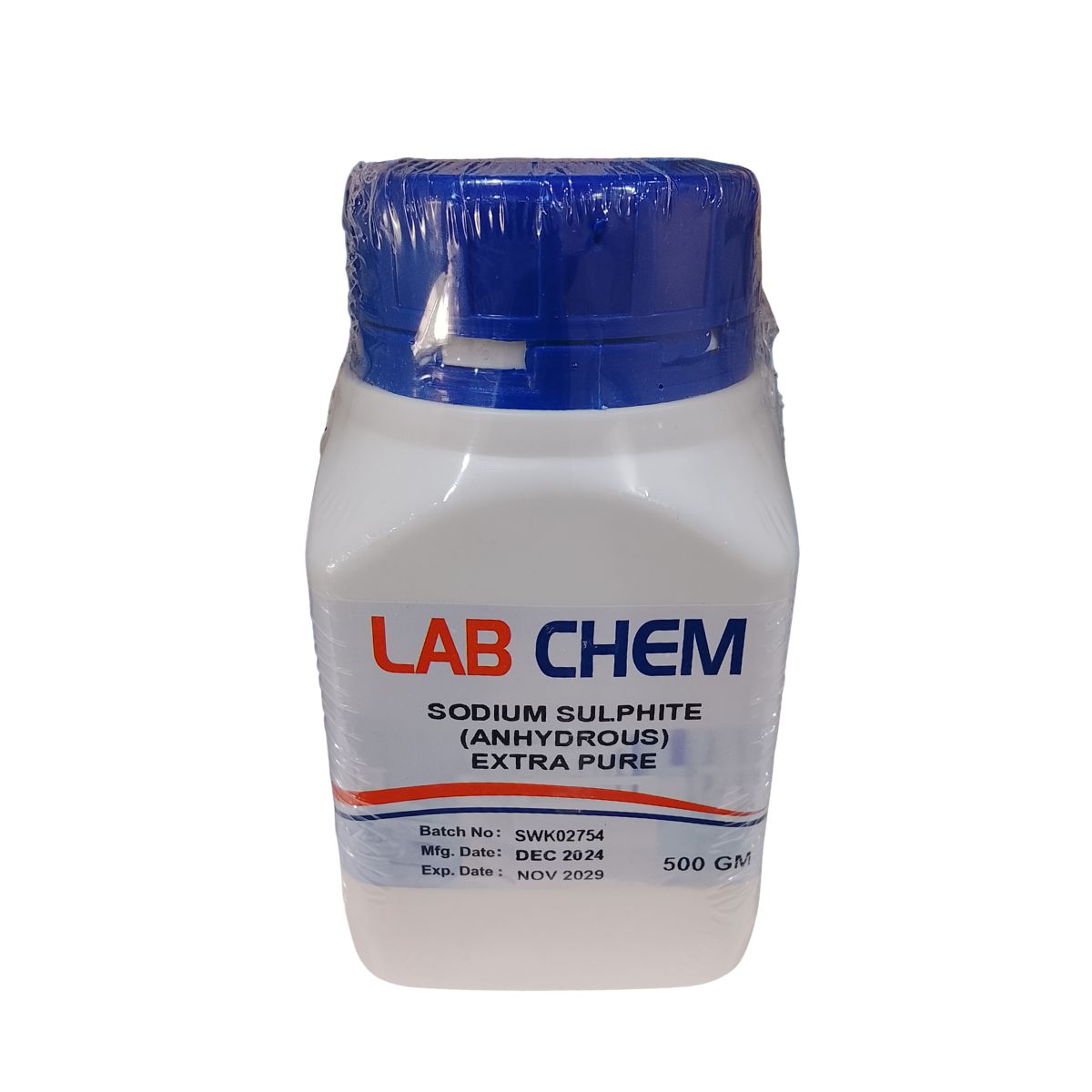
SODIUM SULPHITE
Lab Sodium sulphite is a white, odorless, water-soluble solid used in laboratories as a reducing agent, antioxidant, and preservative. It is commonly found in anhydrous form (CAS 7757-83-7), typically sold in 500g.
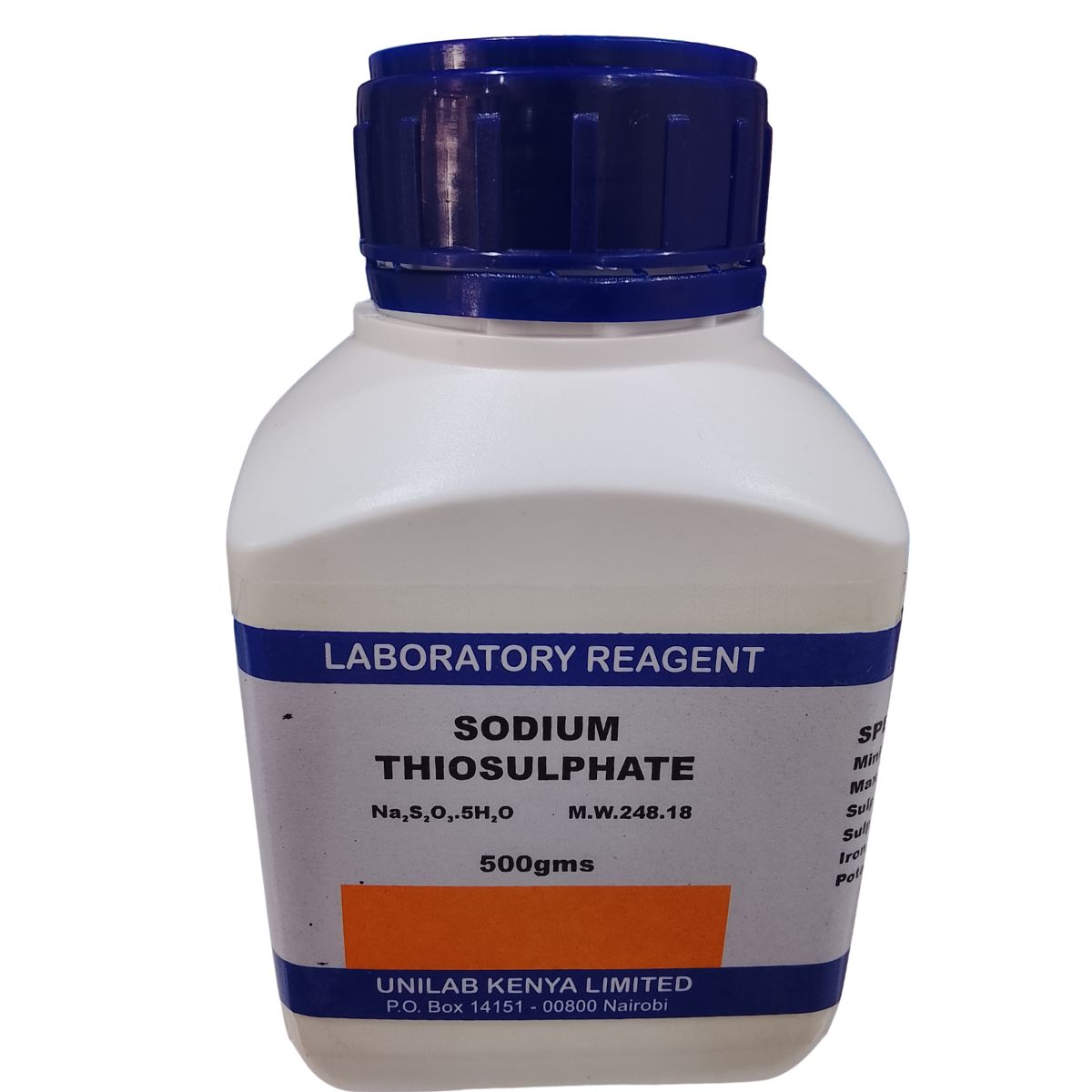
SODIUM THIOSULPHATE
Sodium thiosulphate is a widely used laboratory reagent, often appearing as white, water-soluble crystals known as "hypo".
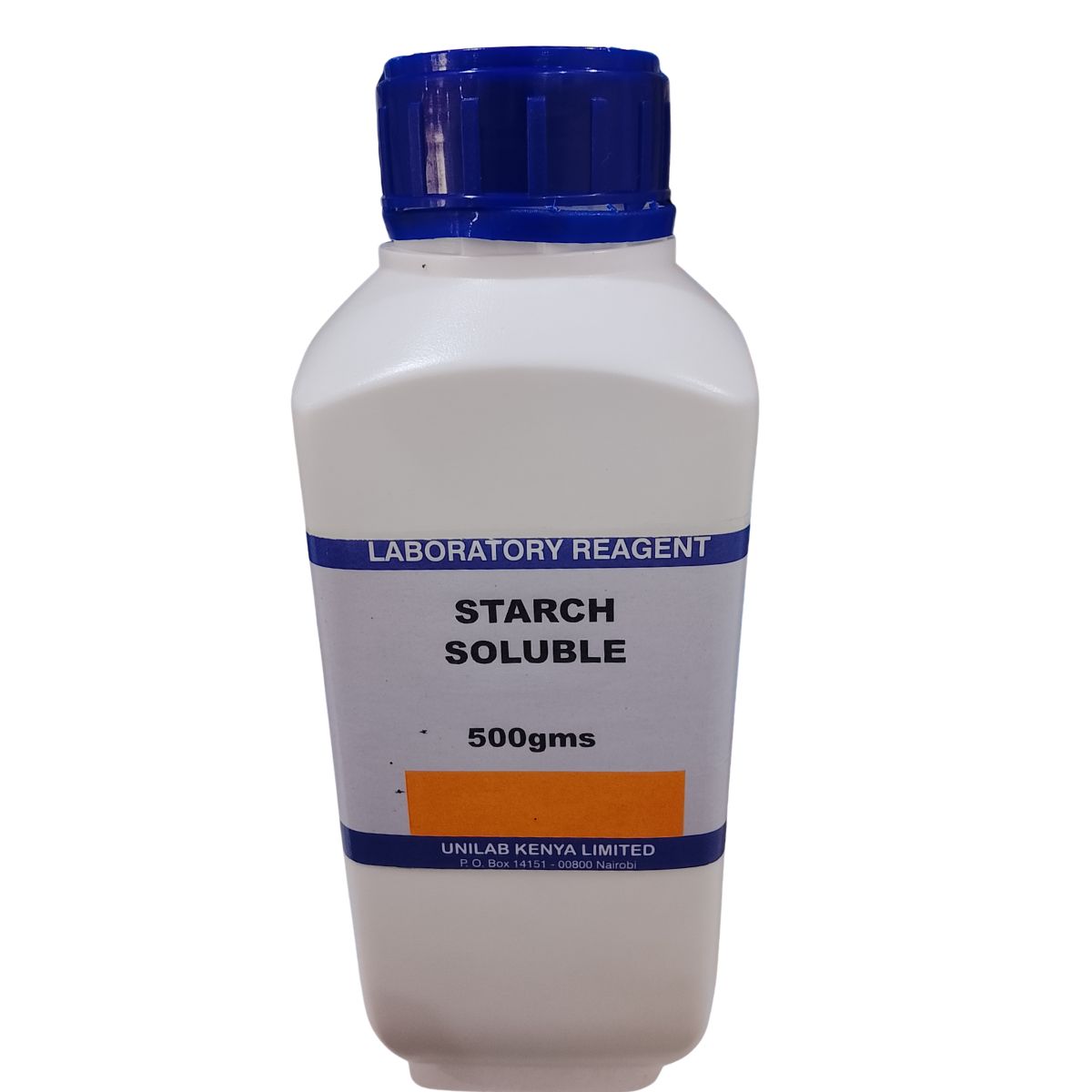
STARCH
Lab starch, specifically soluble starch or starch soluble ACS reagent grade, is a high-purity carbohydrate used primarily as an indicator in redox titrations, particularly for iodine, and as a stabilizer in biochemical assays. Available frequently in 500g, it creates a deep blue-black complex with tri-iodide.
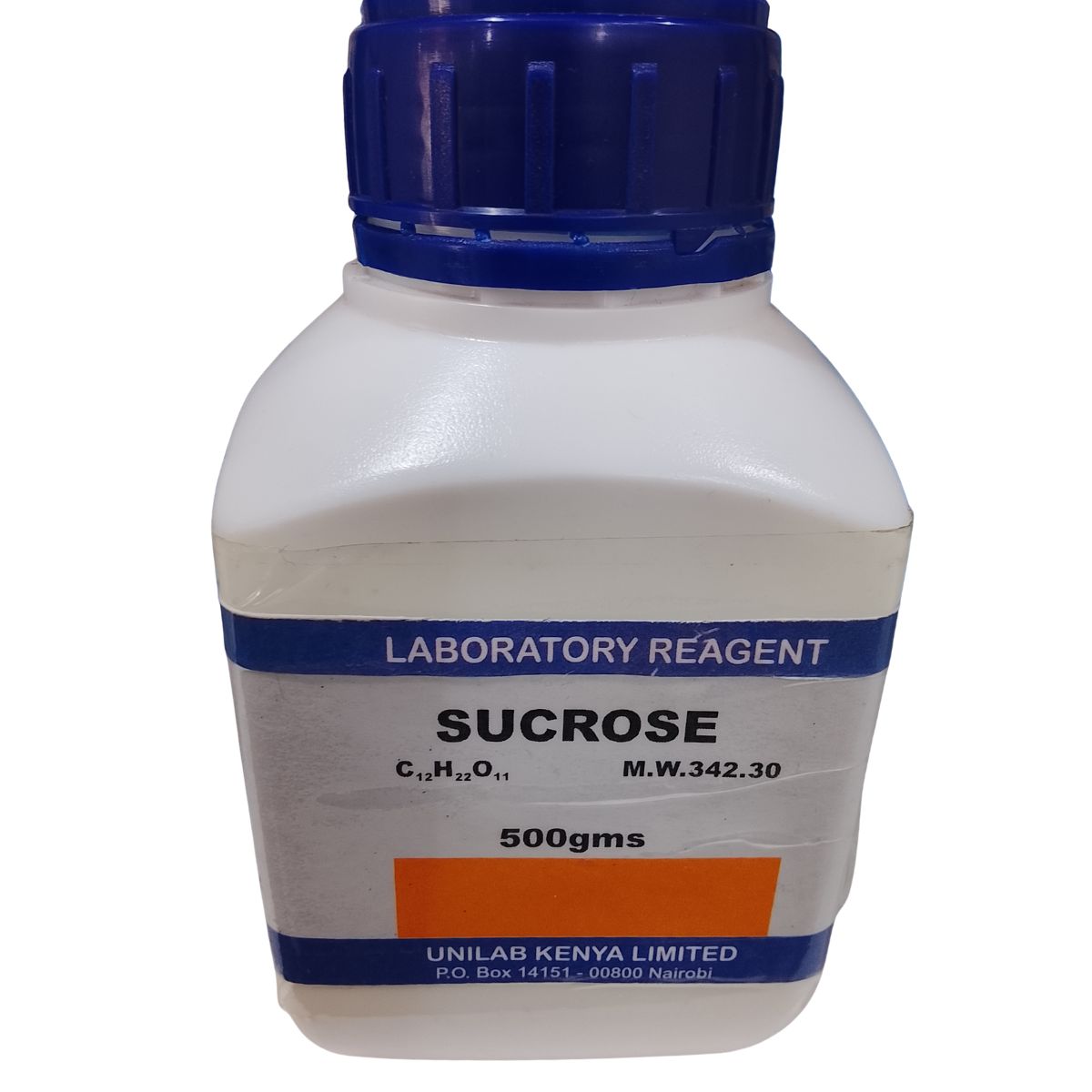
SUCROSE
This laboratory quality chemical, also known as Saccharose or D(+)-Sucrose, is essential for various industrial and scientific applications.
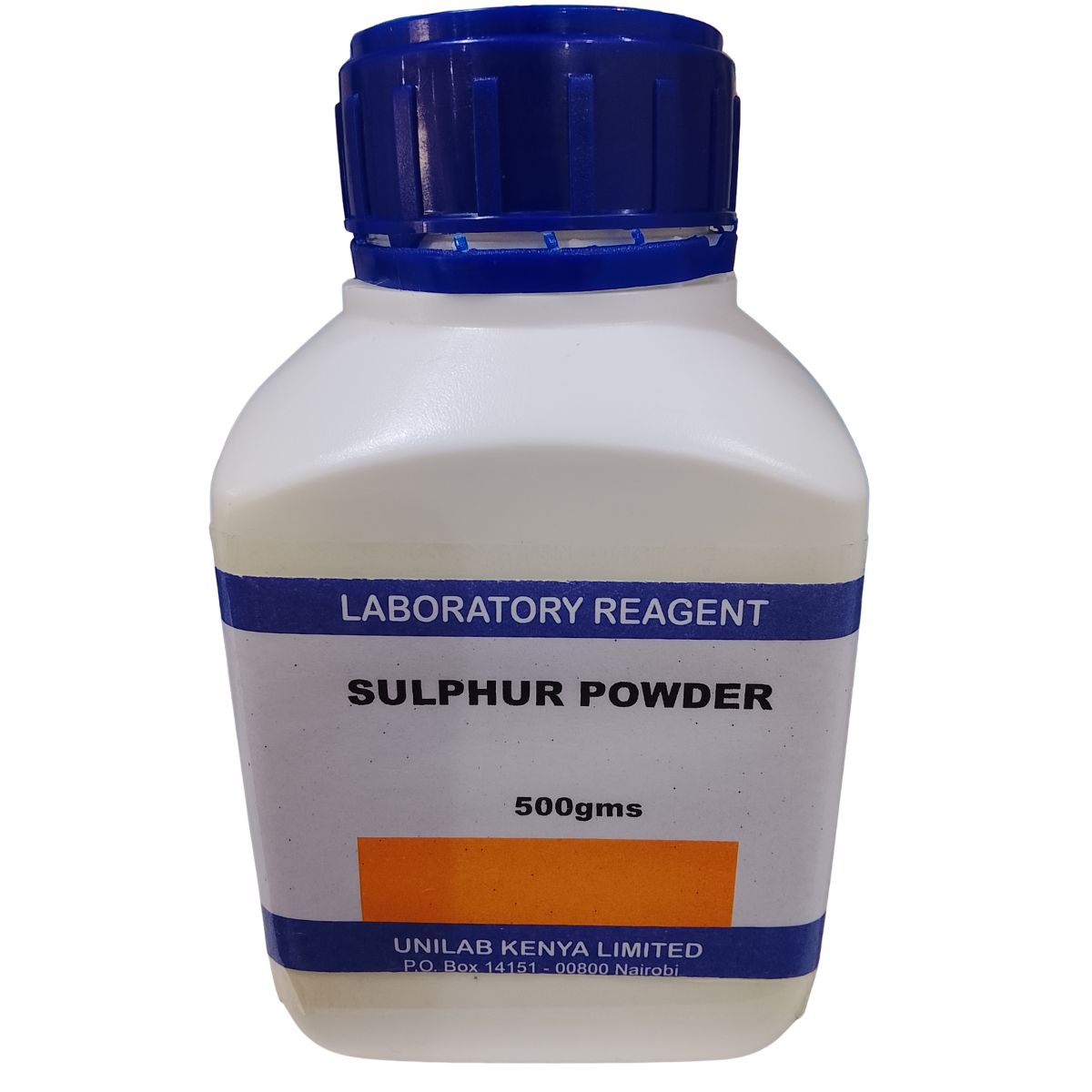
SULPHUR POWDER
Sulphur is a chemical element with the symbol S and atomic number 16. It is abundant, multivalent, and nonmetallic.
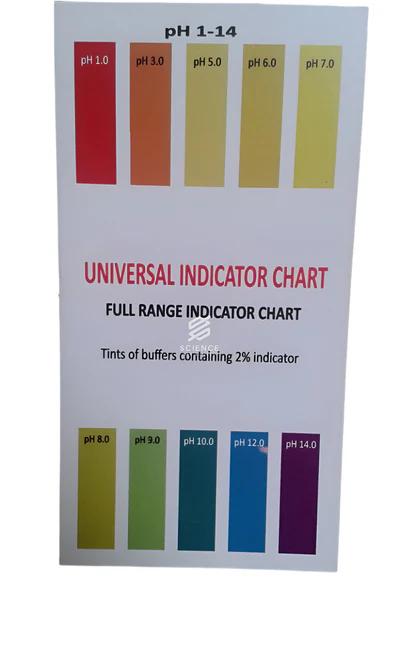
UNIVERSAL CHART
A universal indicator chart is a reference tool used to determine the pH (acidity or alkalinity) of a solution by matching it to a spectrum of colors, typically ranging from pH 1-14.
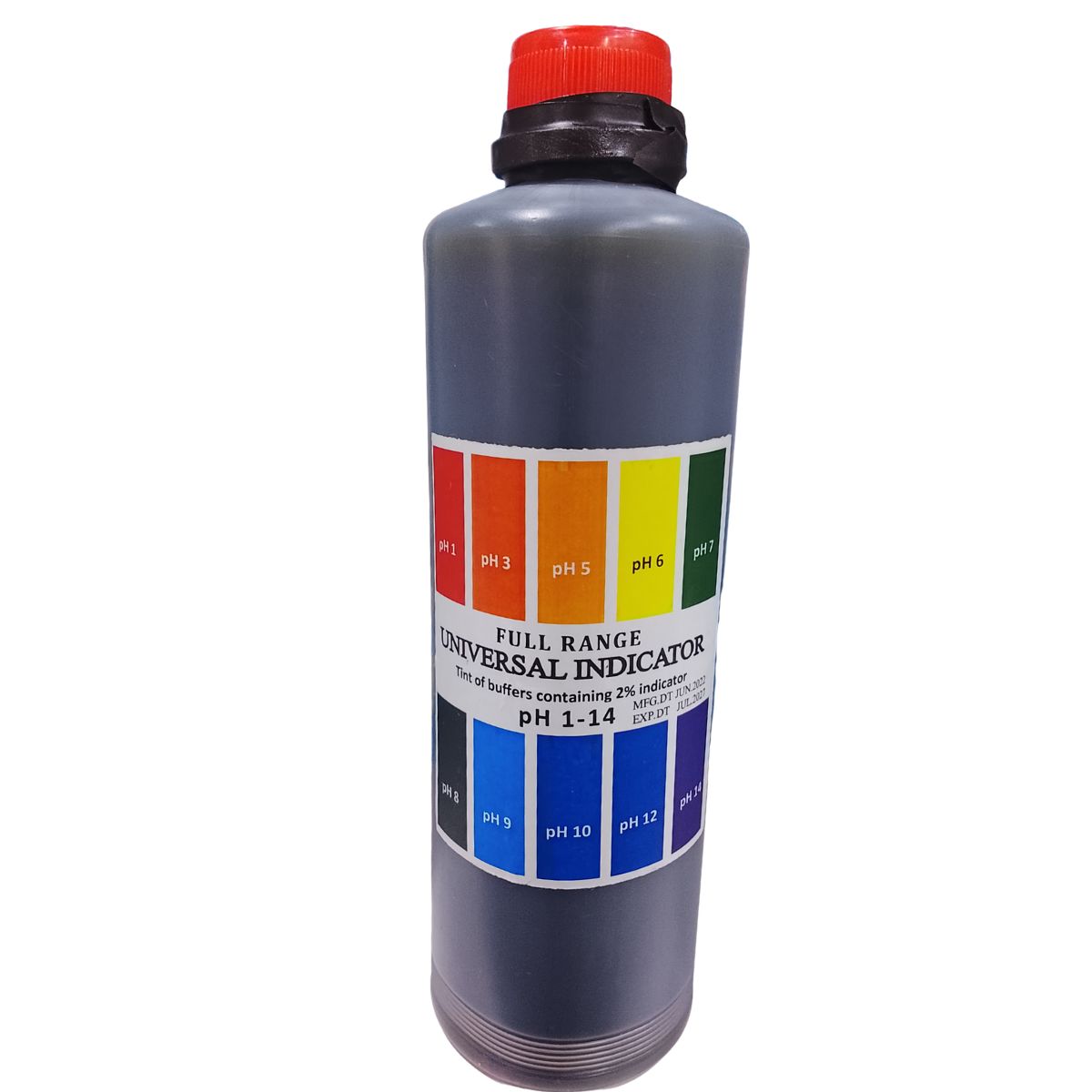
UNIVERSAL SOLUTION (1-14)
A universal indicator is a pH indicator made of a solution of several compounds that exhibits several smooth colour changes over a wide range pH values to indicate the acidity or alkalinity of solutions.
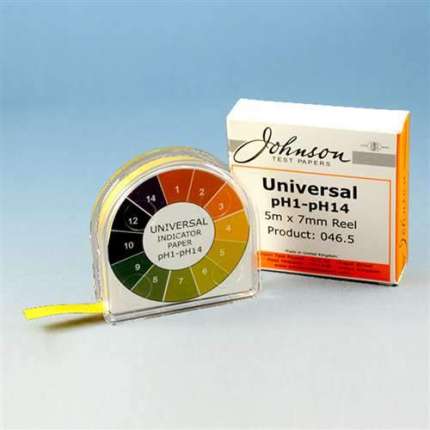
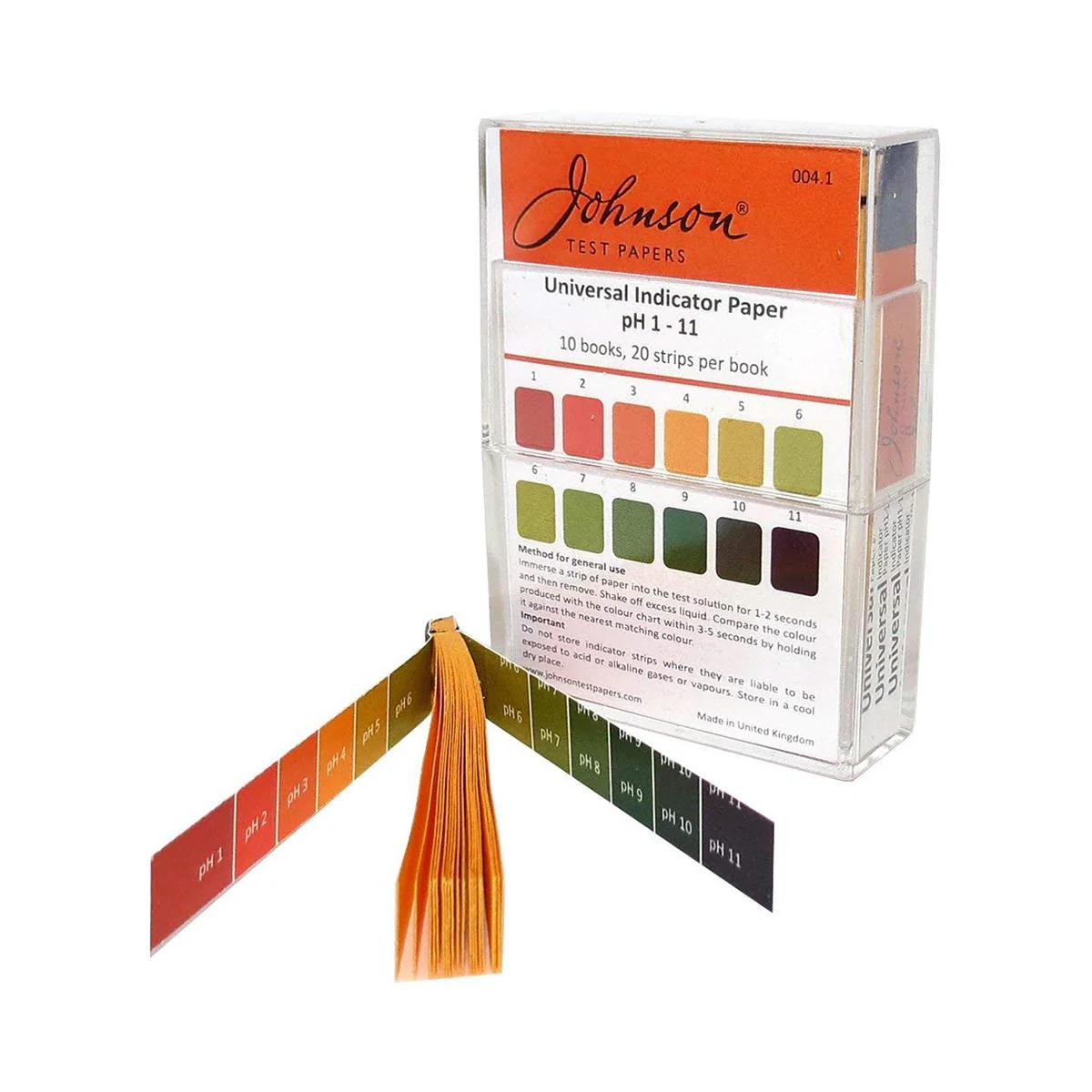
UNIVERSAL PAPER (BOOKLET)
Universal indicator paper is a fast, accurate tool for measuring the pH of solutions, transitioning through a spectrum of colors from 0 to 14 to indicate acidity or alkalinity. It turns red/orange in strong acids (pH 1–3), green in neutral solutions (pH 7), and blue/purple in strong alkalis (pH 11–14).
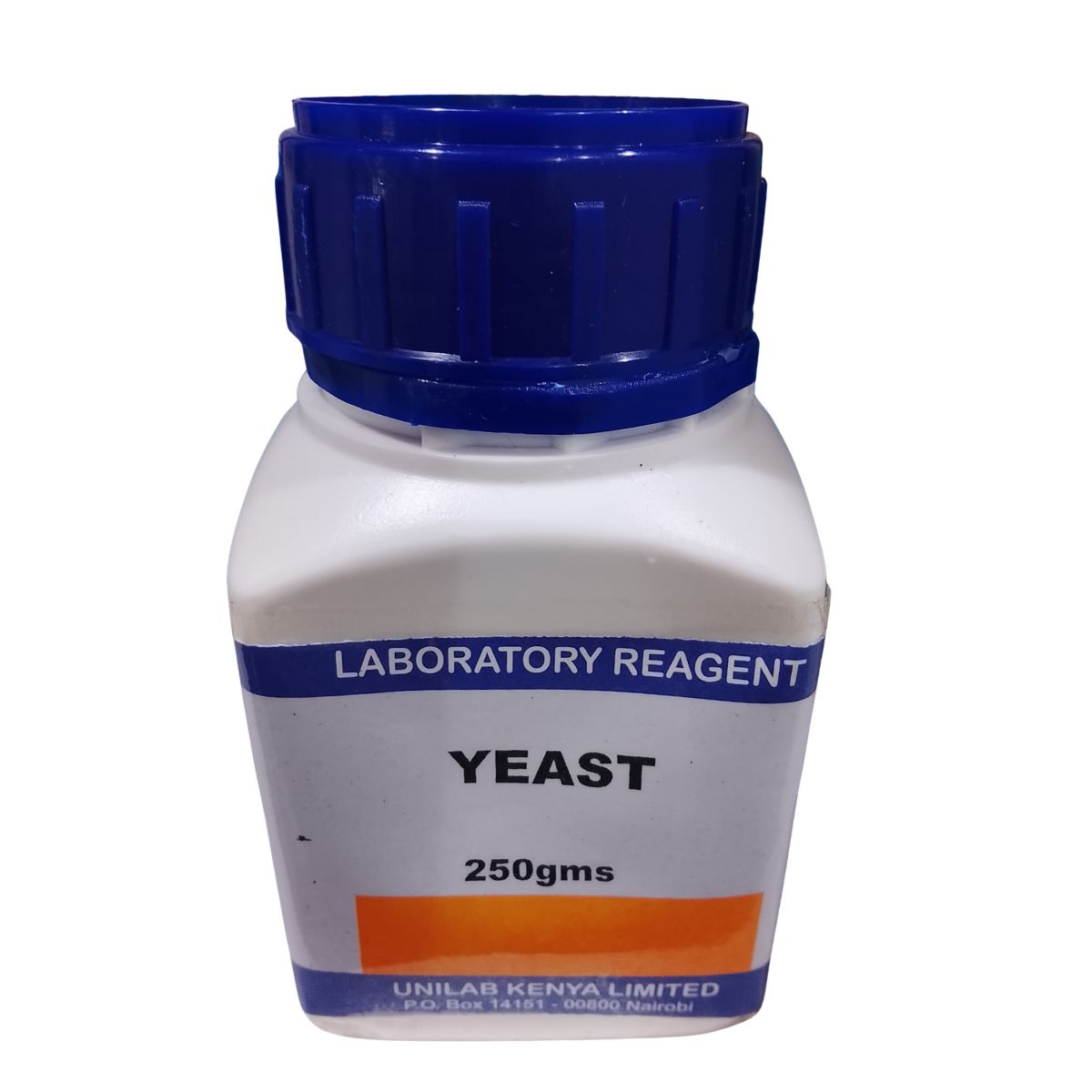
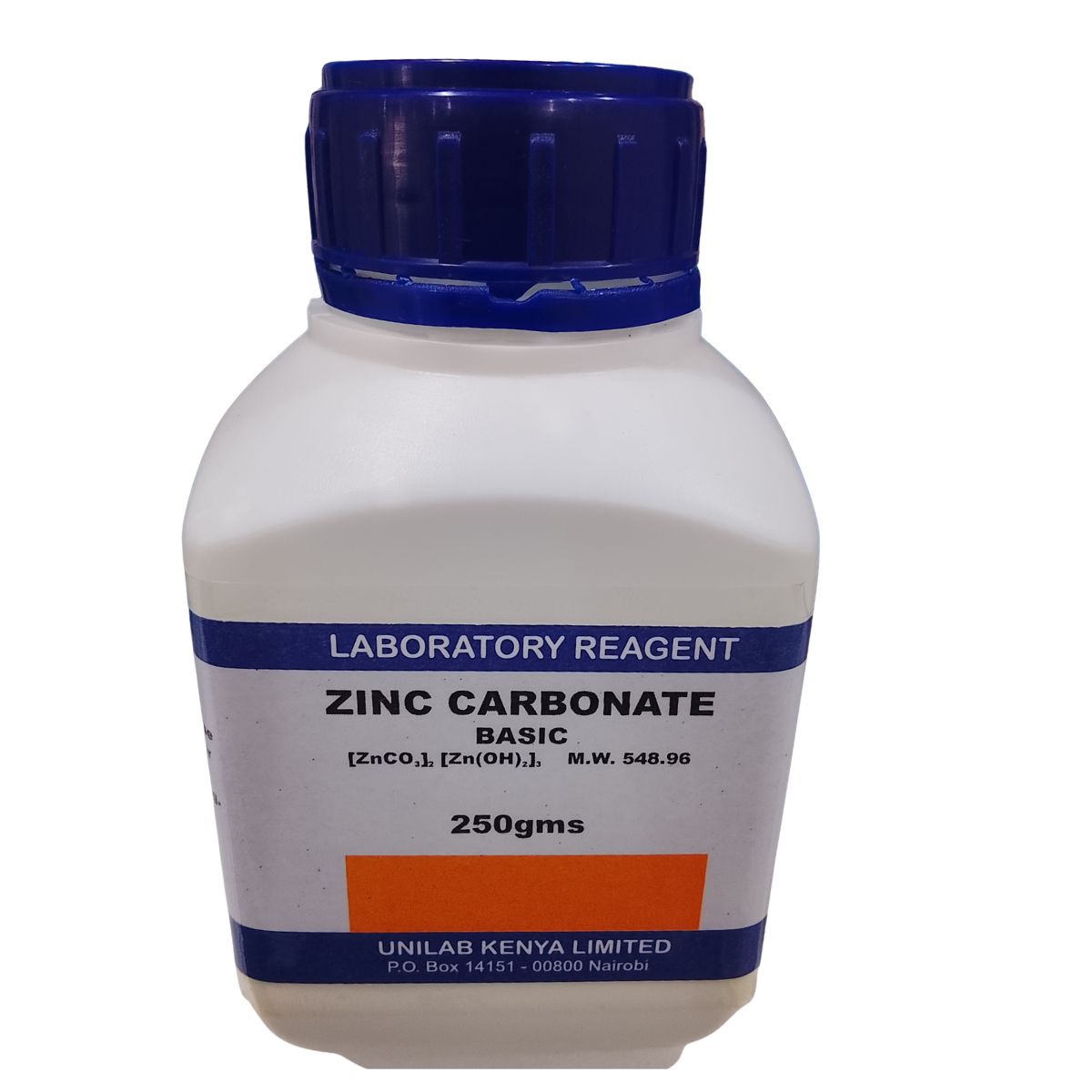
ZINC CARBONATE
It is a white crystalline solid; orthorhombic structure; refractive index 1.818; Mohs hardness 4.3; decomposes at 300°C forming zinc oxide; practically insoluble in water, 10 mg/L at 15°C; soluble in acids, alkalis, and ammonium salt solutions. Formula: ZnCO₃
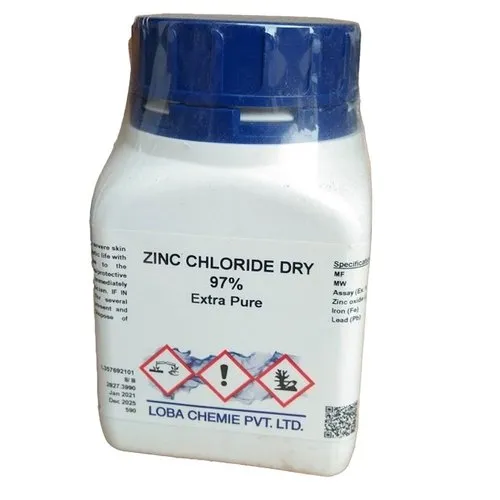
ZINC CHLORIDE
Zinc chloride is the name of chemical compounds with the formula ZnCl₂ and its hydrates. Zinc chlorides, of which nine crystalline forms are known, are colorless or white, and are highly soluble in water. ZnCl₂ itself is hygroscopic and even deliquescent. Formula: ZnCl2
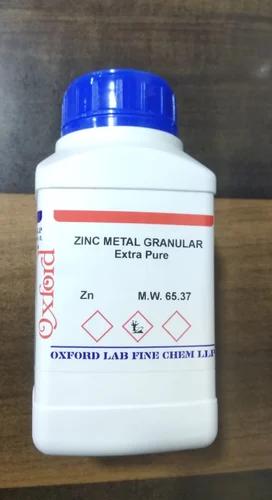
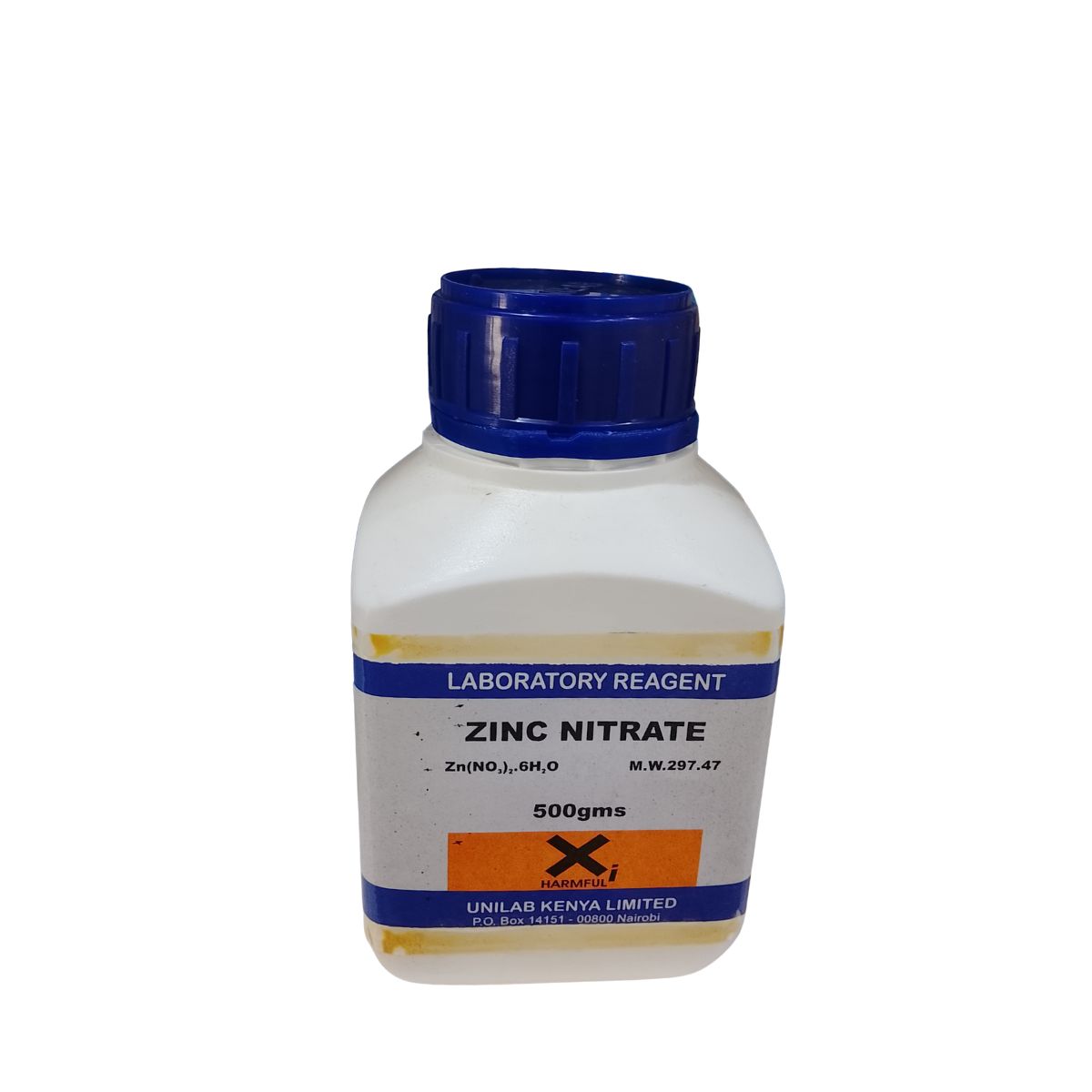
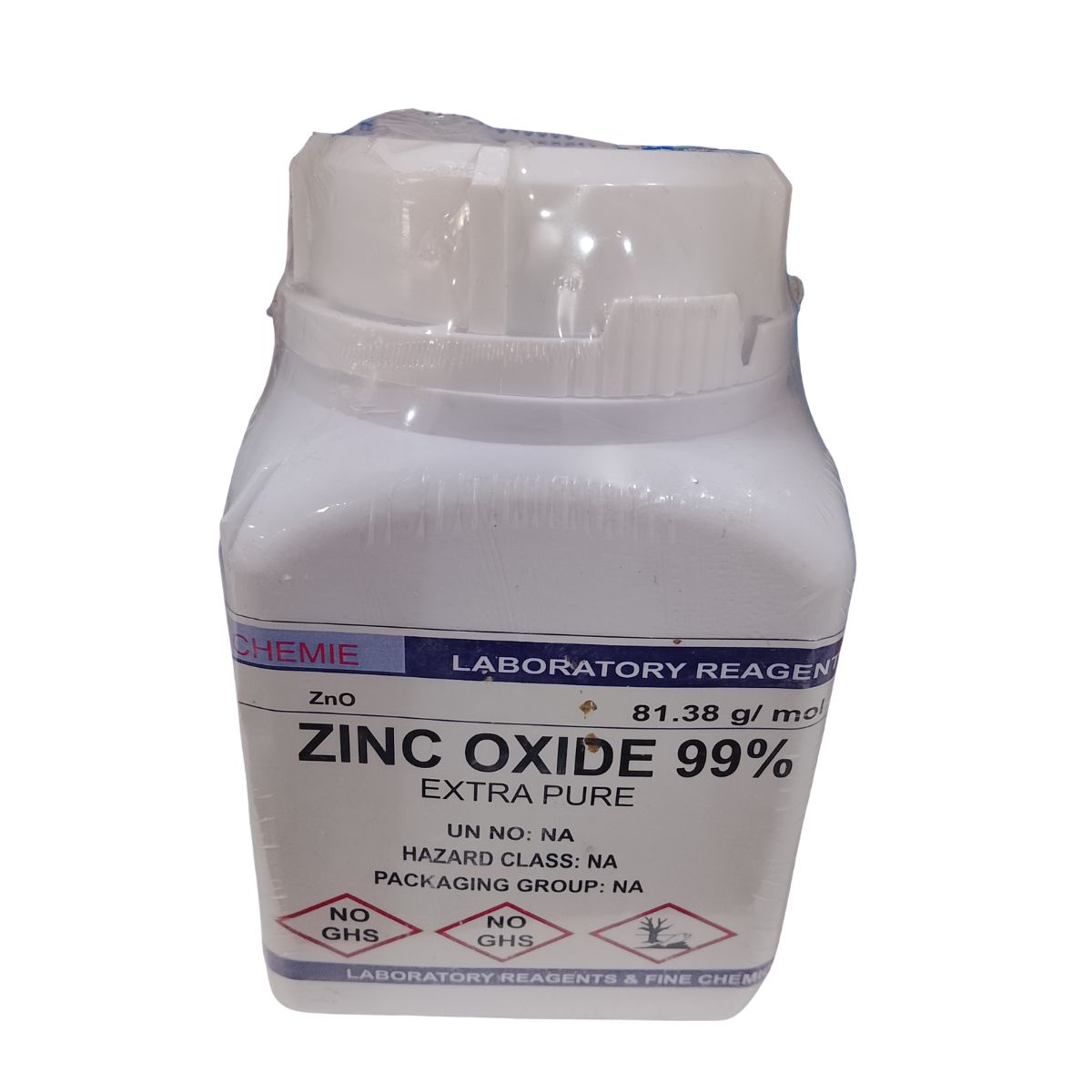
ZINC OXIDE
ZnO, or zinc oxide, is a water-insoluble, white compound that is commonly added to various materials and products, such as rubbers, due to its beneficial properties. Chemical formula: ZnO
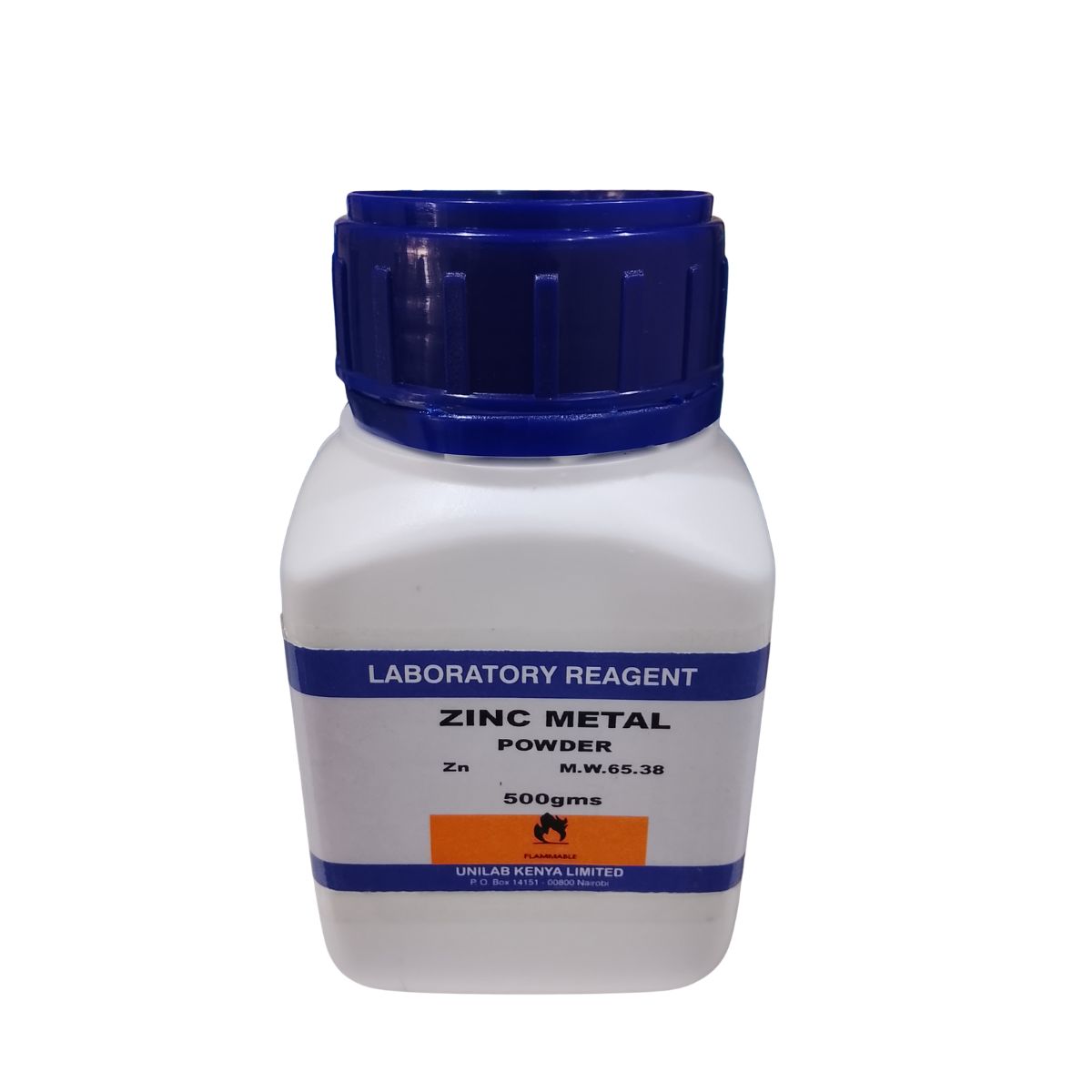
ZINC POWDER
Zinc powder is a bluish-gray colored, pure metal powder. It is produced when purified vapors of zinc are condensed.Zinc powder is utilized for many different purposes in various fields.
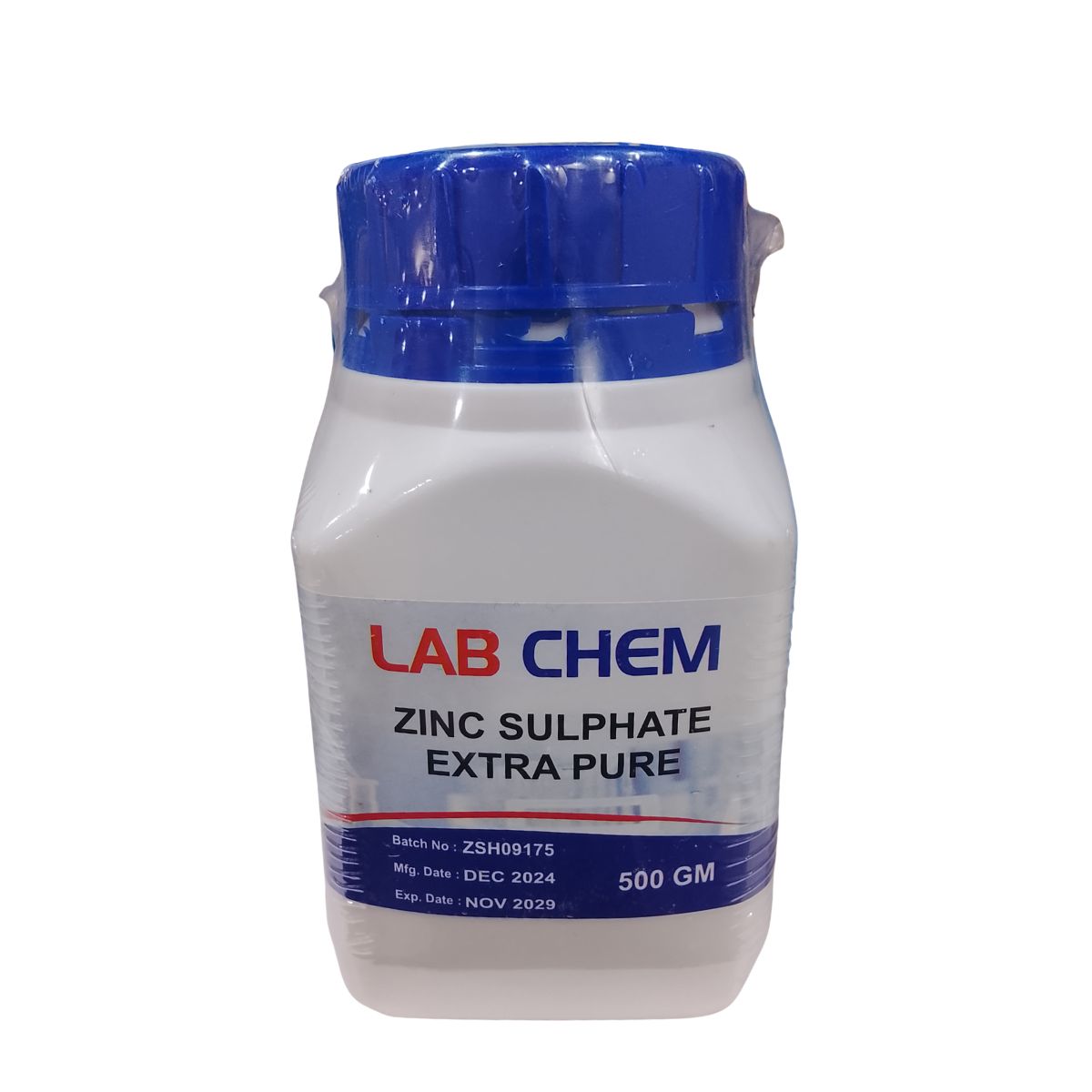
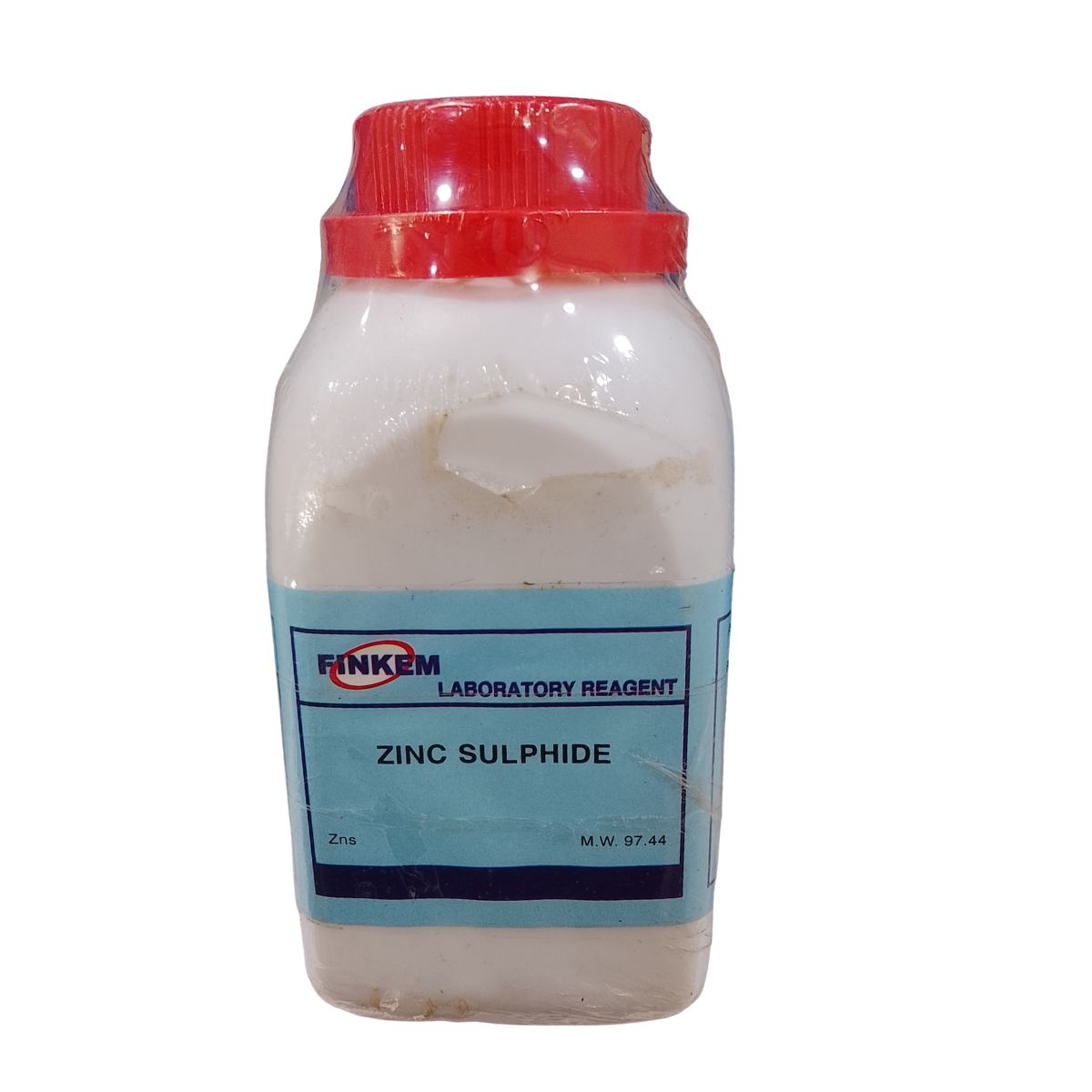
ZINC SULPHIDE
Zinc sulphide is an inorganic compound with the chemical formula of ZnS. This is the main form of zinc found in nature, where it mainly occurs as the mineral sphalerite. Although this mineral is usually black because of various impurities, the pure material is white, and it is widely used as a pigment.
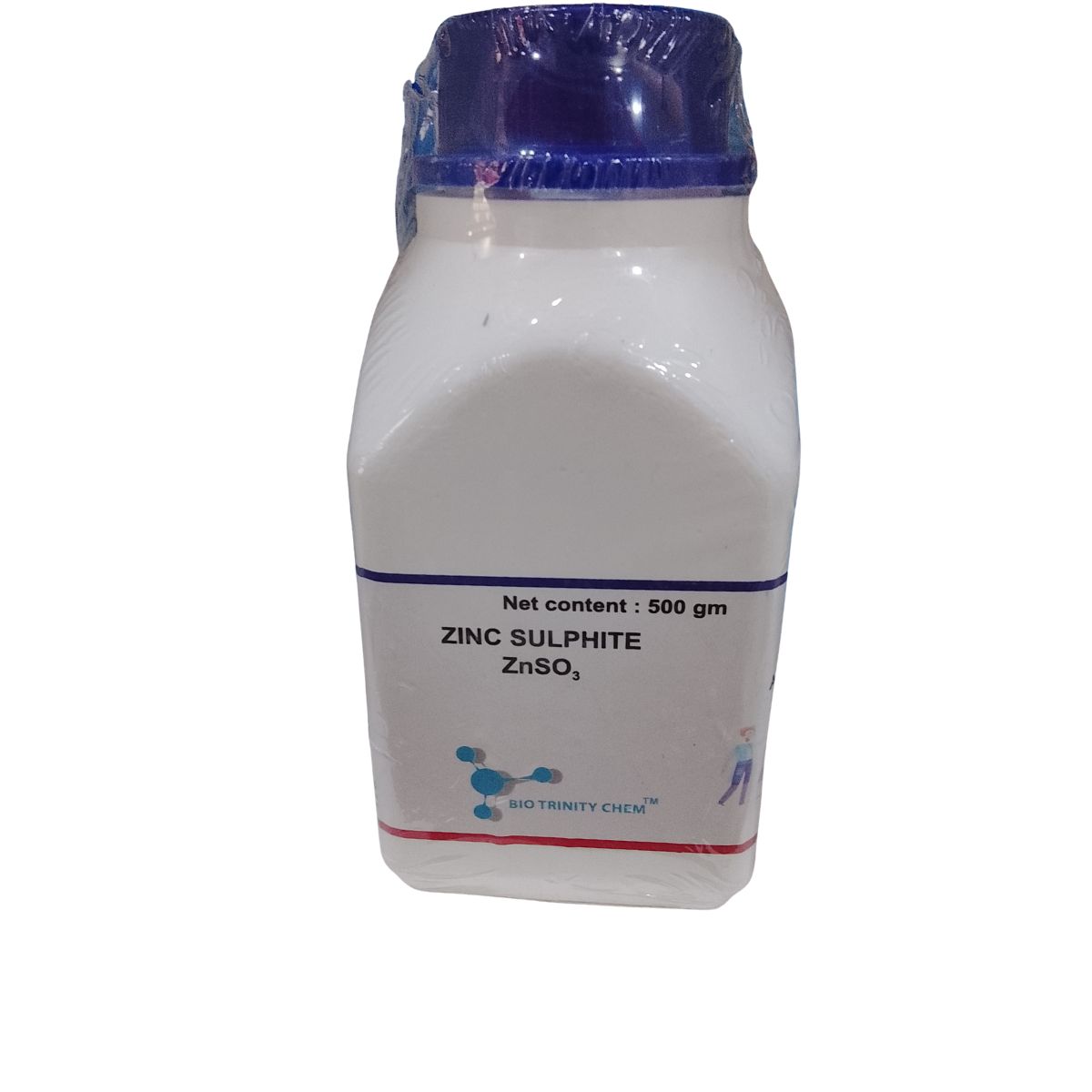
ZINC SULPHITE
Zinc sulphite ZnSO is a white, fine powder chemical compound primarily used as a laboratory reagent in chemical synthesis, analysis, and research.
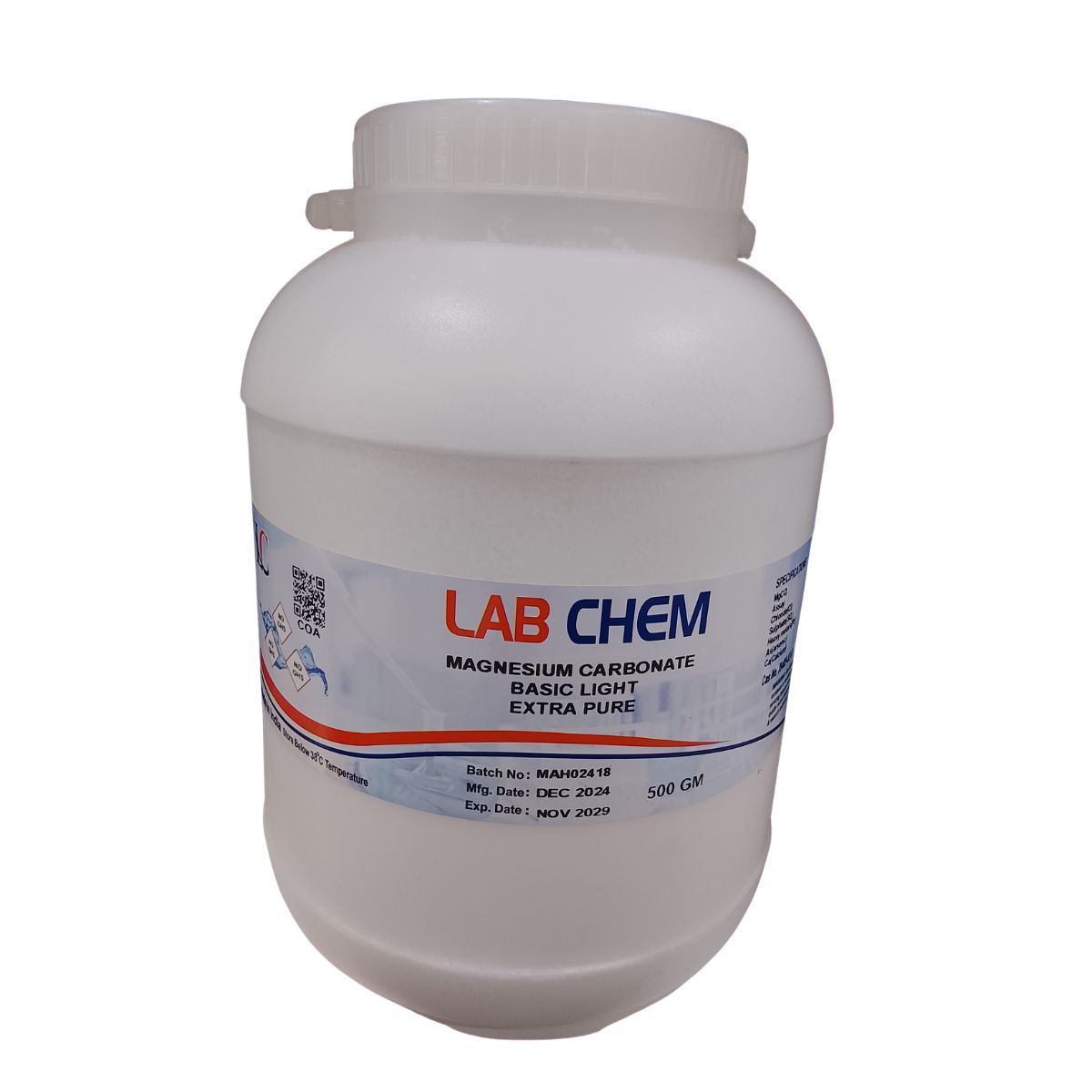
MAGNESSIUM CARBONATE LIGHT
Magnesium Carbonate Light offered by has high physical and chemical properties. This white amorphous fine powder is used to produce basic refractory brick and magnesium metal. Moreover, Light Magnesium Carbonate is also used to process cosmetics, toothpaste and dusting powder. Formula: MgCO3
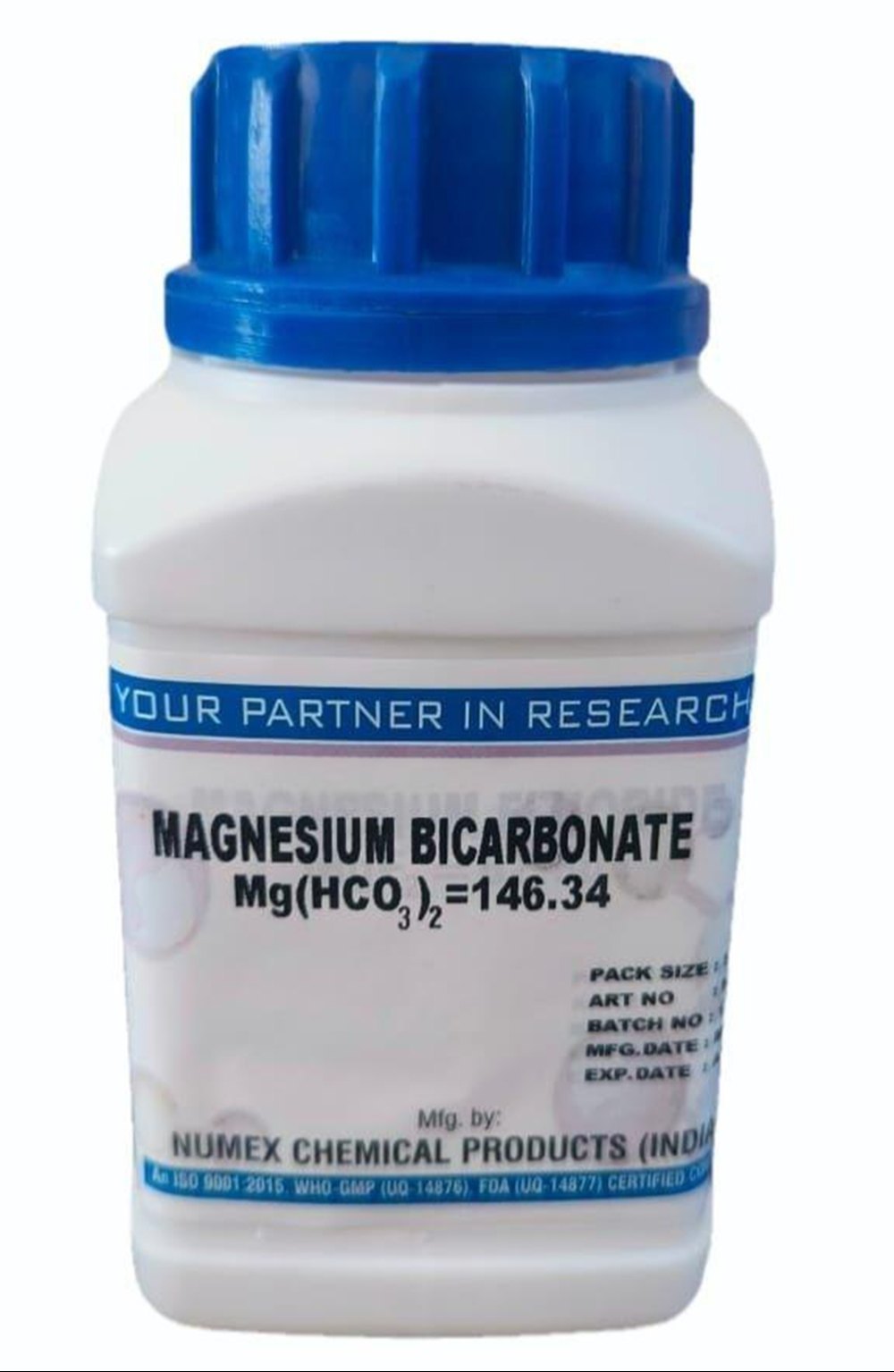
MAGNESSIUM HYDROGEN CARBONATE
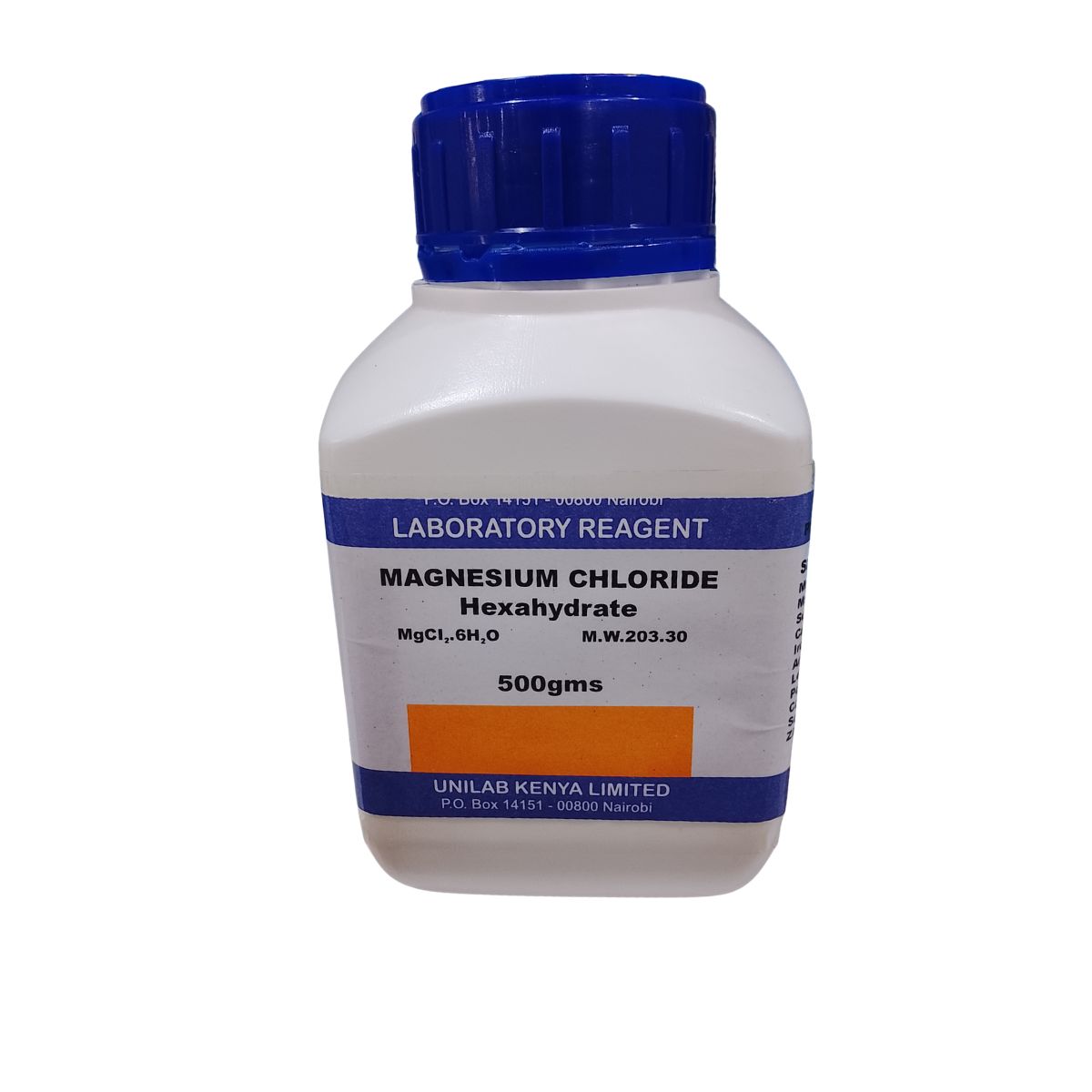
Magnesium bicarbonate or magnesium hydrogen carbonate, Mg(HCO₃)₂, is the bicarbonate salt of magnesium. It can be formed through the reaction of dilute solutions of carbonic acid and magnesium hydroxide. Chemical formula: Mg(HCO3)2
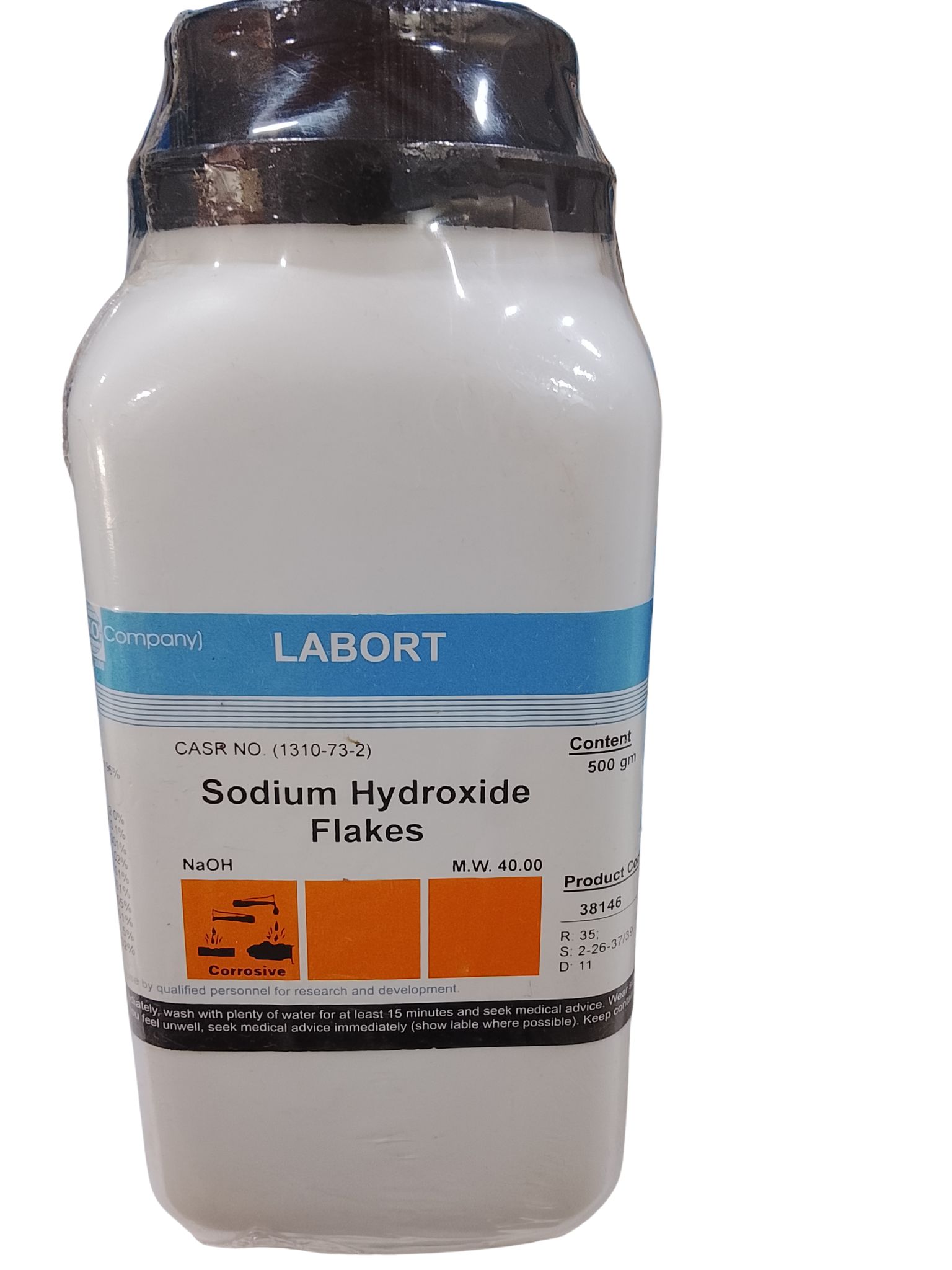
SODIUM HYDROXIDE FLAKES
Sodium hydroxide, also known as lye and caustic soda, is an inorganic compound with the formula NaOH.
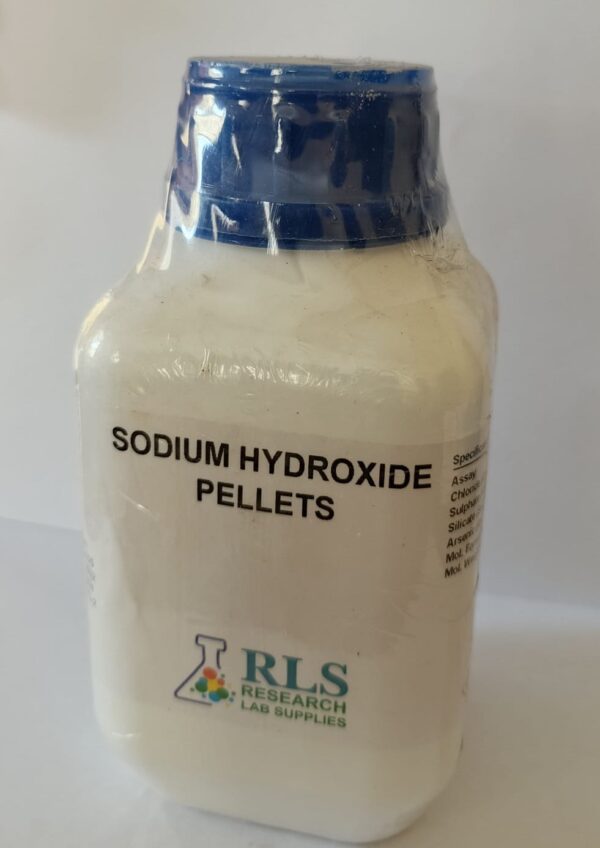
SODIUM HYDROXIDE PELLETS
Sodium hydroxide is a corrosive, strong, inorganic base and alkali. It is water-soluble and can absorb moisture and carbon dioxide from air; used as a lab reagent, in acid neutralization and titration, in manufacturing processes, in household chemicals, etc.
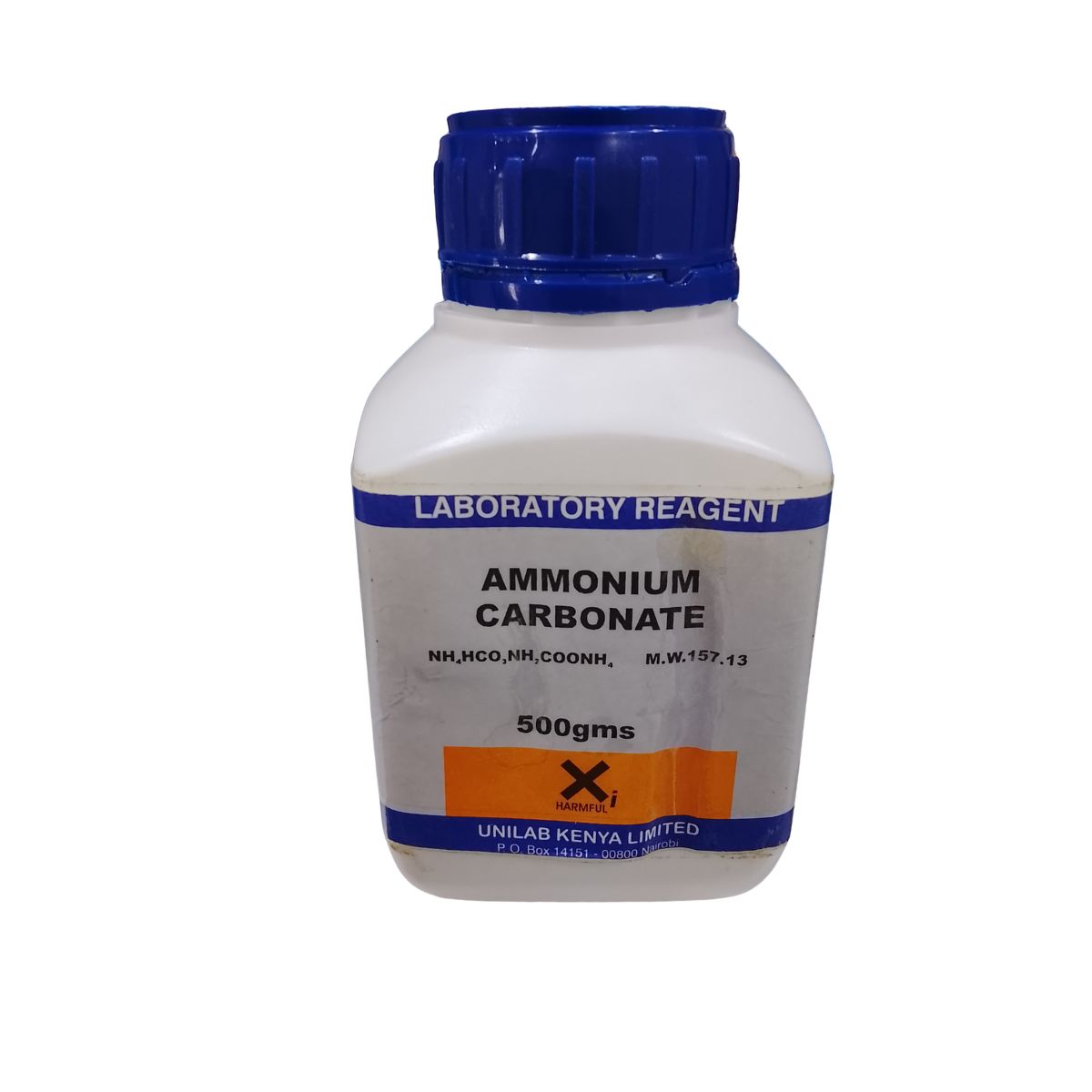
AMMONIUM CARBONATE
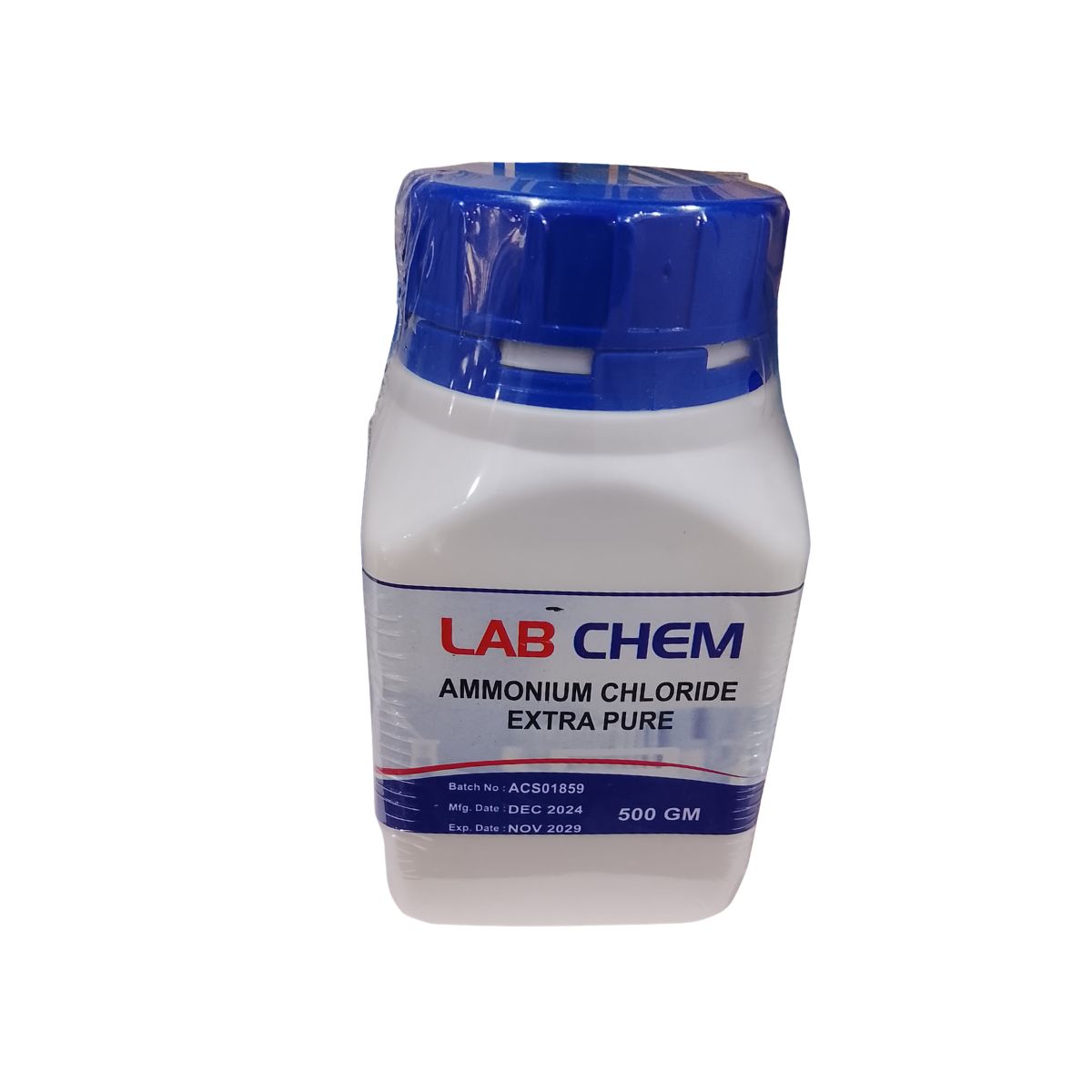
This salt, known by its chemical formula (NH₄)₂CO₃, easily breaks down into gaseous ammonia and carbon dioxide when heated. It is commonly used as a leavening agent and also serves as a smelling salt. Formula: (NH4)2CO3
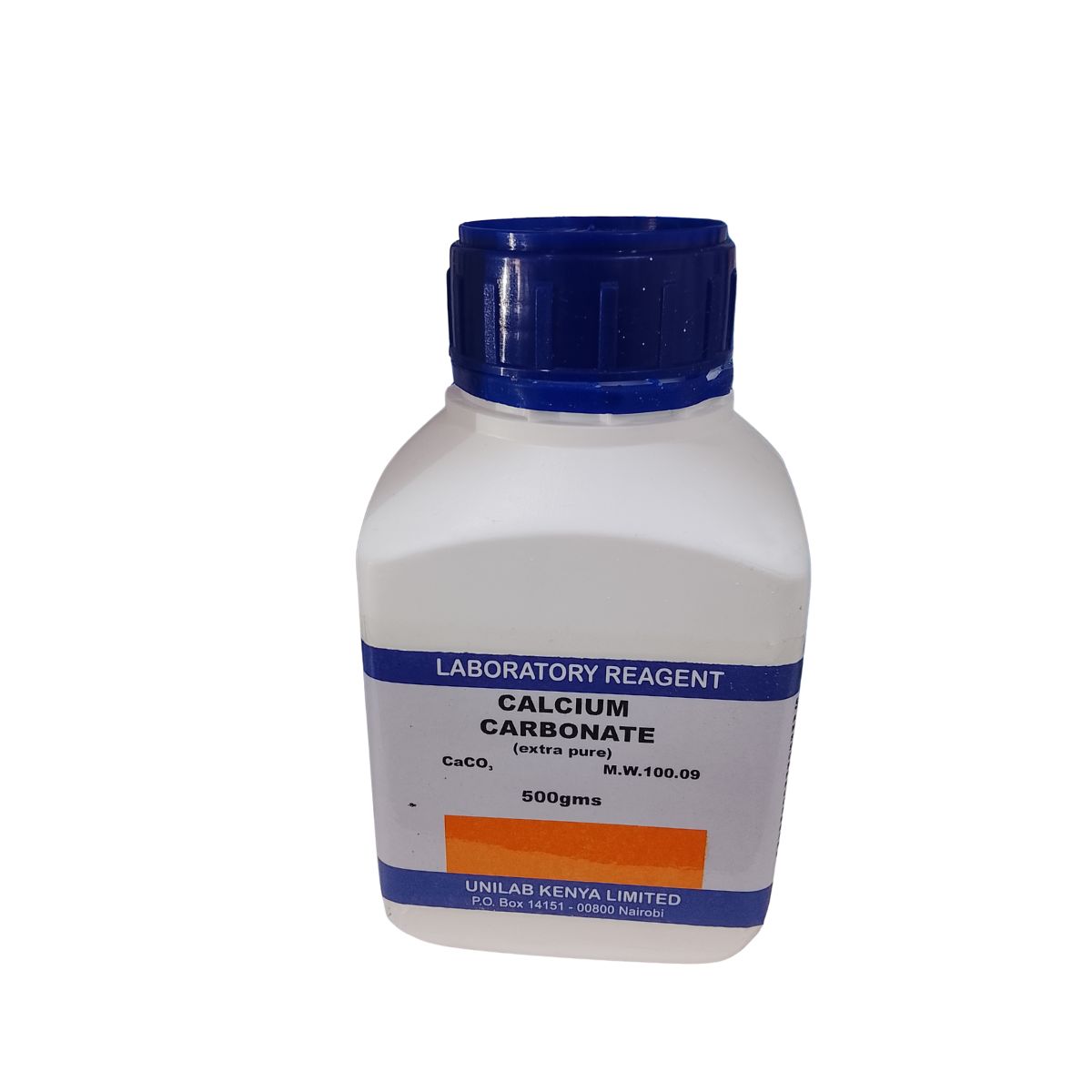
CALCIUM CARBONATE
Calcium Carbonate is a pure and natural mineral that provides numerous benefits for various industries. Its low residue formula makes it ideal for use in pharmaceuticals, food and beverage, and cosmetics. With a 99% purity level, you can trust in its quality and effectiveness for all your needs.
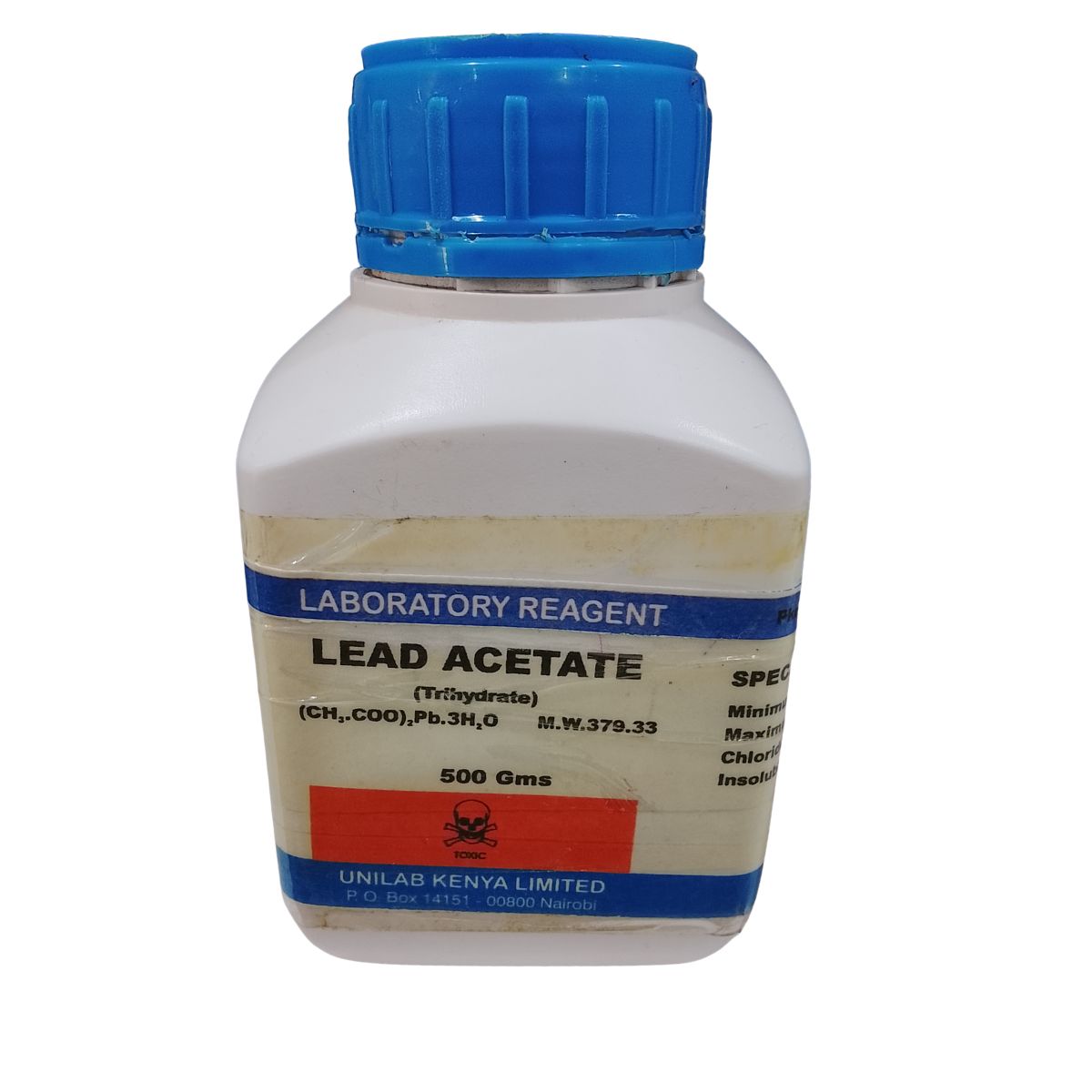
LEAD ACETATE
Lead(II) acetate (Pb(CH3COO)2),is a white crystalline chemical compound with a sweetish taste. It is made by treating lead(II) oxide with acetic acid.
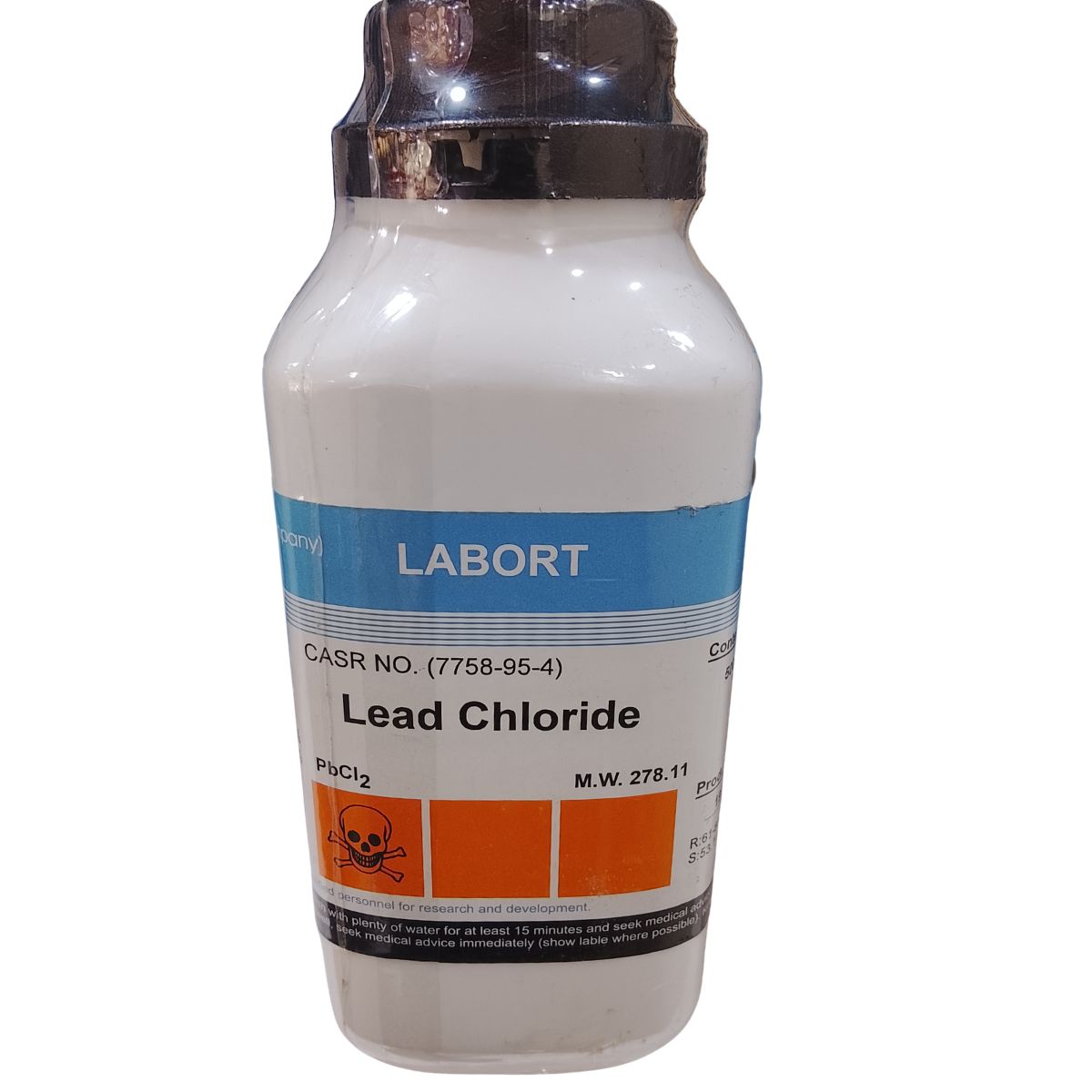
LEAD CHLORIDE
Lead(II) chloride is an inorganic compound which is a white solid under ambient conditions. It is poorly soluble in water.
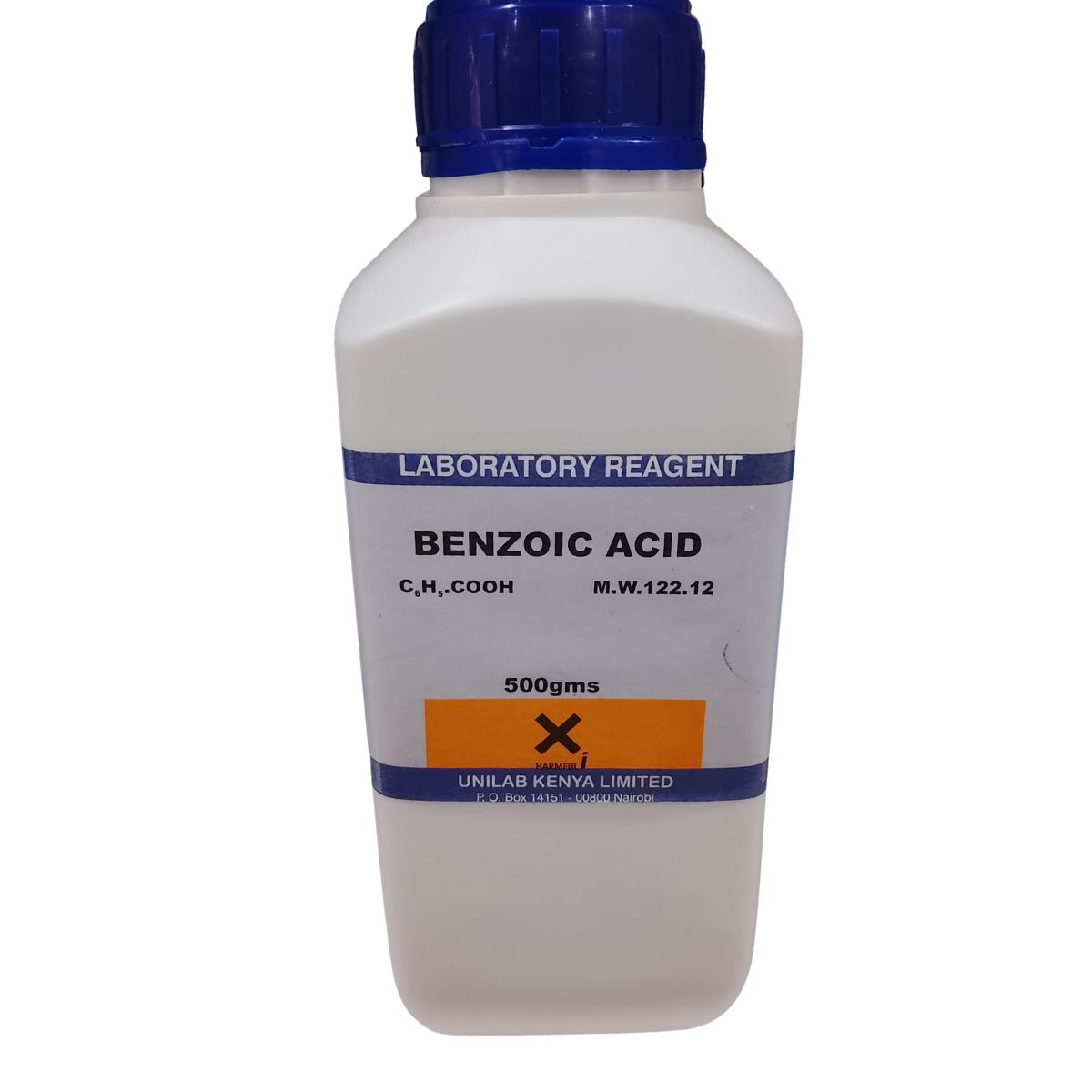
BENZOIC ACID
Benzoic acid, C₇H₆O₂, is a colorless crystalline solid and a simple aromatic carboxylic acid.
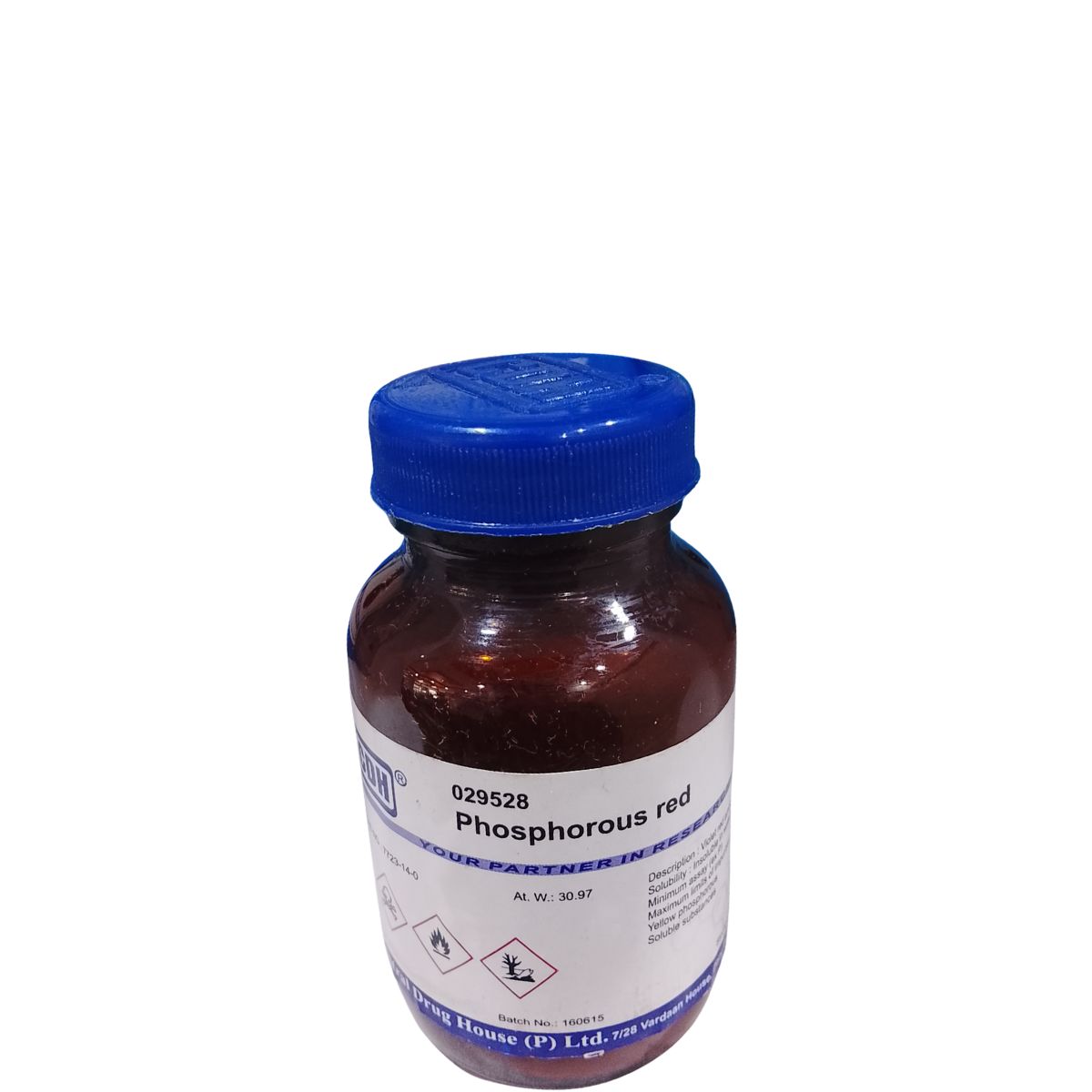
PHOSPHOROUS RED
Phosphorus is a chemical element with the symbol P and atomic number 15. Elemental phosphorus exists in two major forms, white phosphorus and red phosphorus, but because it is highly reactive, phosphorus is never found as a free element on Earth. Symbol: P
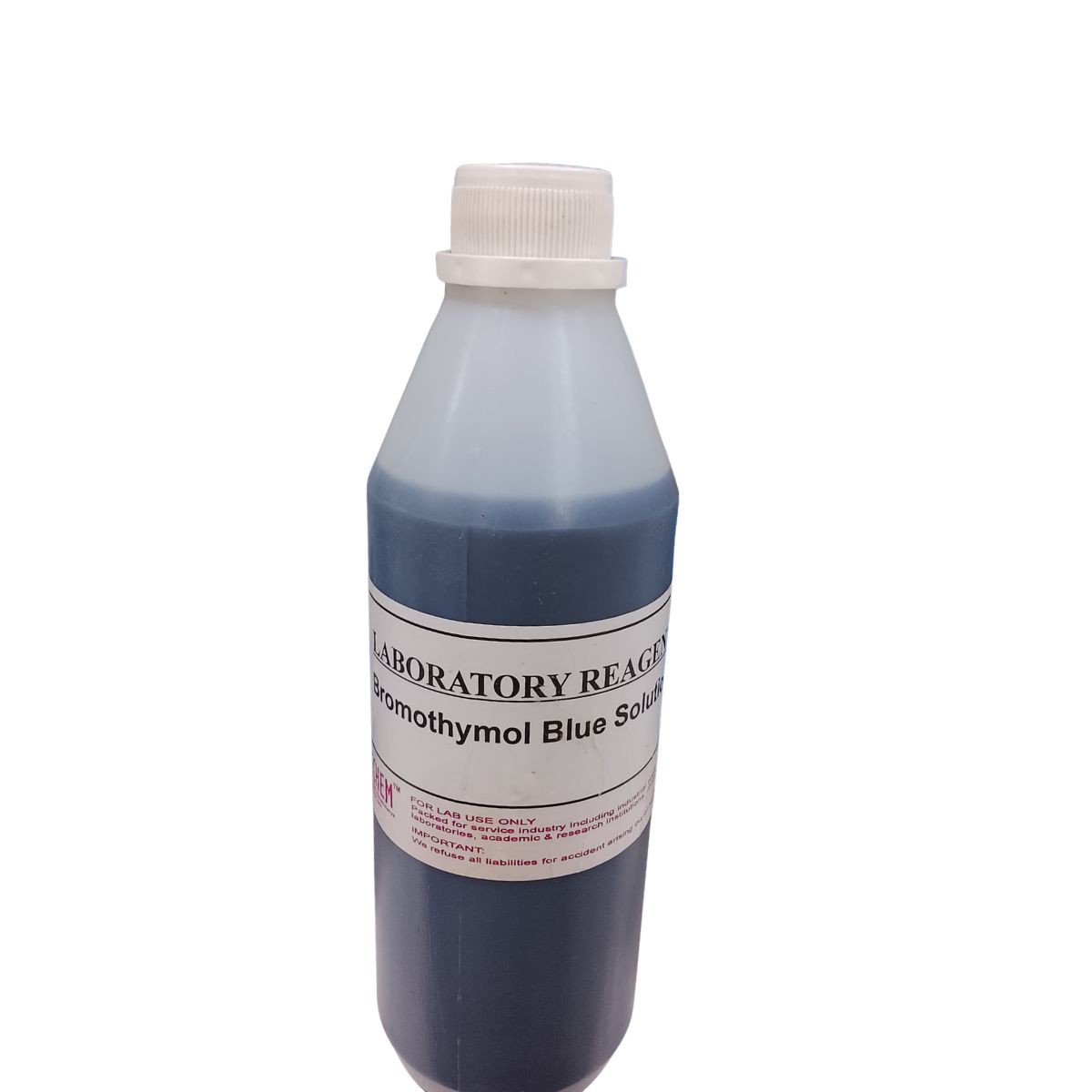
BROMOTHYMOL BLUE
Bromothymol blue is a pH indicator. It is mostly used in applications that require measuring substances that would have a relatively neutral pH.
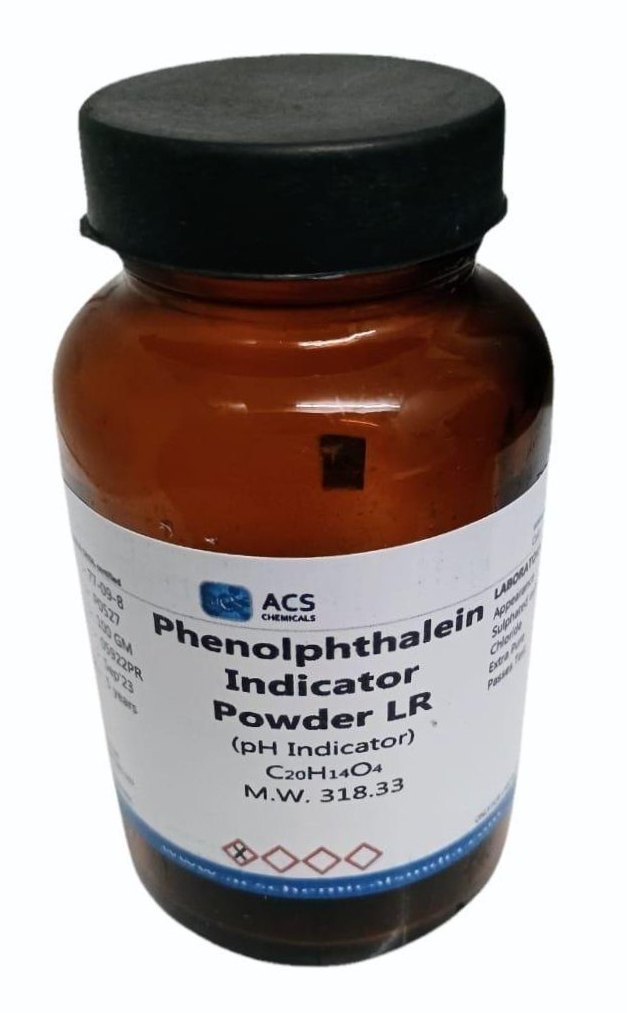
PHENOPHTHALEIN
Phenolphthalein, represented by the chemical formula C20H14O4 is a reliable indicator widely used in acid-base titrations. It is colorless in acidic environments and distinctly turns red or pink in basic conditions.
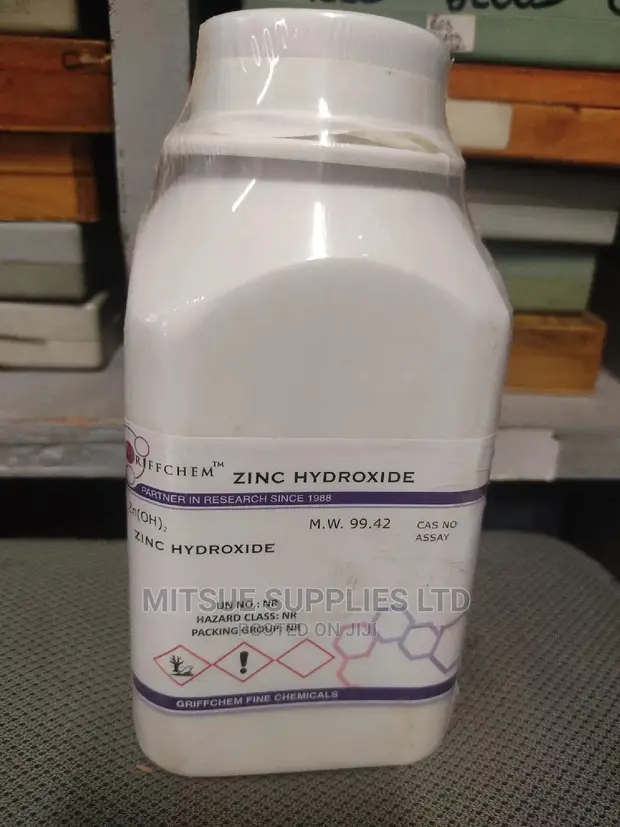
Zinc hydroxide
Zinc hydroxide Zn(OH)₂ is an inorganic chemical compound. It also occurs naturally as 3 rare minerals: wülfingite, ashoverite and sweetite. Like the hydroxides of other metals, such as lead, aluminium, beryllium, tin and chromium, zinc hydroxide, is amphoteric. Formula: Zn(OH)2